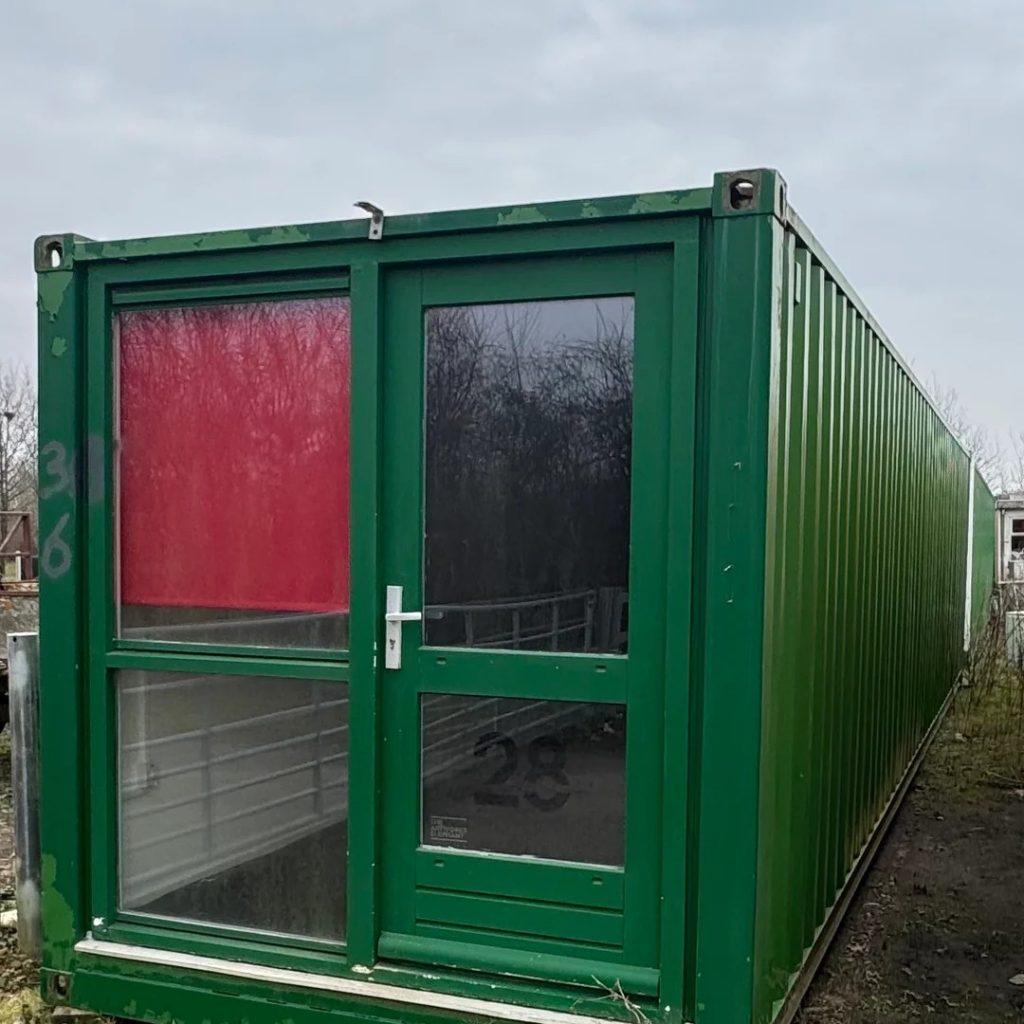
Shipping Storage Containers: A Friendly Guide to Getting Your Cargo Where It Needs to Go
When you’re moving inventory, equipment, or even a whole house‑hold of belongings, storage containers are often the unsung heroes of logistics. They protect your items from the elements, simplify handling, and can be shipped almost anywhere on the globe. If you’ve never arranged a container shipment before, the process can feel a bit overwhelming. Don’t worry—you’re in the right place. This guide walks you through everything you need to know, from picking the right container size to understanding shipping routes, paperwork, and costs. By the end, you’ll feel confident enough to book your first container like a pro.
1. Why Choose a Shipping Container?
| Benefit | What It Means for You |
|---|---|
| Durability | Steel walls resist weather, theft, and rough handling. |
| Standardized sizes | Global ports and carriers recognize 20‑ft and 40‑ft units, making transfers seamless. |
| Flexibility | Use a container as a temporary warehouse, a moving box, or a mobile office. |
| Cost‑effective | One container can replace dozens of smaller crates, lowering handling fees. |
| Security | Lockable doors, optional GPS tracking, and sealed doors keep your cargo safe. |
You’ll quickly see that containers simplify logistics, help you stay organized, and often reduce overall shipping expenses.
2. Picking the Right Container Size
The two most common container dimensions are 20‑foot (standard) and 40‑foot (high‑cube). Deciding which one fits your needs hinges on three questions:
- How much space do you need?
- What’s the weight of your cargo?
- Do you need extra height for bulky items?
Quick‑Reference Size Table
| Container Type | Internal Dimensions (L × W × H) | Volume (cbm) | Max Payload* | Typical Use |
|---|---|---|---|---|
| 20‑ft Standard | 5.9 m × 2.35 m × 2.39 m | 33 | 28,000 kg | Small shipments, pallets, household goods |
| 20‑ft High‑Cube | 5.9 m × 2.35 m × 2.69 m | 37 | 27,500 kg | Taller items, extra headroom |
| 40‑ft Standard | 12.0 m × 2.35 m × 2.39 m | 67 | 27,000 kg | Large inventories, machinery |
| 40‑ft High‑Cube | 12.0 m × 2.35 m × 2.69 m | 76 | 26,500 kg | Oversized crates, high‑value cargo |
*Payload limits can vary by carrier; always verify with your freight forwarder.
Tips for estimating space:
- Pallets: A standard 48 × 40 in pallet occupies about 0.12 cbm.
- Boxes: Add 10 % extra space for irregular shapes.
- Heavy items: Even if they fit, respect the weight ceiling—overloading can result in fines.
3. How Shipping Works: From Door to Port
- Booking – You contact a freight forwarder or shipping line, provide container size, origin/destination, and cargo details.
- Container Delivery – The carrier drops off an empty container at your premises (or you pick it up).
- Loading – Pack your goods, seal the doors, and attach a seal number for customs.
- Pick‑up & Transport – The container is hauled to the origin port via truck or rail.
- Ocean Voyage – The vessel sails to the destination port; you receive a Bill of Lading (B/L).
- Customs Clearance – Submit paperwork (commercial invoice, packing list, B/L) to the local customs broker.
- Delivery – Once cleared, the container is transferred to a truck or rail for final delivery to your doorstep or a local warehouse.
Visual Flowchart (Simplified)
You → Book → Container Delivered → Load → Truck/Rail → Port → Ship → Destination Port → Customs → Final Delivery → You
4. Understanding Costs: What’s in the Price Tag?
Shipping a container isn’t just a flat fee. Below is a typical cost breakdown, along with a sample price range for a 40‑ft high‑cube container shipped from Los Angeles (USA) to Shanghai (China). Prices fluctuate with fuel, season, and carrier negotiations.
| Cost Component | Description | Sample Range (USD) |
|---|---|---|
| Freight Rate | Ocean transport per container | $2,300 – $4,500 |
| Origin Drayage | Truck or rail move from your site to port | $250 – $600 |
| Destination Drayage | Port to final warehouse/door | $300 – $800 |
| Terminal Handling | Port loading/unloading fees | $150 – $300 |
| Customs Brokerage | Paperwork preparation & clearance | $120 – $250 |
| Insurance | Cargo protection (usually 0.5 % of cargo value) | Varies |
| Container Rental | If you don’t own the unit | $200 – $400 per month |
| Additional Services (e.g., lift‑gate, temperature control) | Optional add‑ons | $50 – $500 |
Total Approximate Cost: $3,400 – $7,000 (excluding cargo value insurance).
How to keep costs down:
- Consolidate shipments – Fill one container rather than sending several half‑filled units.
- Book early – Spot rates rise sharply 2–3 weeks before departure.
- Choose a reputable freight forwarder – They can negotiate better rates and avoid hidden fees.
5. Packing Tips: Maximize Space, Minimize Damage
- Create a packing plan – Sketch a layout or use container‑planning software.
- Use pallets – They keep items off the floor, improve ventilation, and speed up loading.
- Secure with straps & braces – Prevent shifting during transit.
- Wrap fragile items – Bubble wrap, foam, or corrugated sheets add cushioning.
- Label each box – Include weight, dimensions, and “this side up” markings.
Checklist before sealing the container:
- All items secured, no loose debris.
- Doors close smoothly, no obstructions.
- Seal number recorded and attached to B/L.
- Packing list matches cargo manifest.
6. Common Pitfalls & How to Avoid Them
| Problem | Why It Happens | Prevention |
|---|---|---|
| Overloading | Ignoring weight limits, focusing only on volume. | Use a scale or ask the carrier for maximum payload. |
| Improper documentation | Missing commercial invoice or inaccurate HS codes. | Keep a master checklist; double‑check with your customs broker. |
| Damaged goods | Loose stacking or inadequate cushioning. | Follow the packing checklist; add dunnage where needed. |
| Unexpected port delays | Congestion, strikes, or weather. | Build a buffer of 5–7 days into your schedule; stay in touch with the carrier. |
| Hidden fees | “Terminal handling” or “port congestion surcharges.” | Request a detailed quote that itemizes every charge. |
7. Frequently Asked Questions (FAQ)
Q1: Do I need to own a container to ship my goods?
No. Most shippers rent or lease containers from a leasing company or the shipping line. If you own a container, you may still be charged a handling fee for loading/unloading.
Q2: How long does a typical ocean shipment take?
Transit times vary by route. For example, Los Angeles → Shanghai averages 12‑15 days. Add 3‑5 days for loading, customs, and inland transport on each end.
Q3: Can I ship hazardous materials?
Yes, but they require special classification (IMDG Code), packaging, and documentation. Consult your freight forwarder early to confirm compliance.
Q4: What if my container arrives damaged?
Inspect the container upon arrival. If you notice dents, holes, or broken seals, record the damage, take photos, and notify the carrier immediately to file a claim.
Q5: Is insurance mandatory?
Legally, you’re not forced to insure, but it’s highly recommended. Standard cargo insurance covers loss, theft, and damage up to the declared value.
Q6: Can I track my container in real time?
Many carriers provide online tracking via the B/L number. For more granular data, request a GPS tracker to be installed inside the container.
Q7: What is a “demurrage” fee?
Demurrage occurs when you keep a container at the port beyond the free‑time allowance (usually 5‑7 days). It’s a daily charge that can add up quickly, so arrange timely pickup.
8. Putting It All Together: A Sample Timeline
| Day | Milestone |
|---|---|
| Day 1 | Contact freight forwarder, request quote, decide on container size. |
| Day 2‑3 | Receive quote, confirm booking, schedule container delivery. |
| Day 4 | Empty container delivered to your site; begin packing. |
| Day 5‑6 | Load, seal, and complete paperwork (commercial invoice, packing list). |
| Day 7 | Carrier picks up container, transports to port, begins customs export. |
| Day 8‑10 | Ocean voyage begins; you receive B/L and tracking info. |
| Day 11‑13 | Vessel arrives at destination port; container entered into import customs. |
| Day 14‑15 | Customs broker clears cargo; container released to inland carrier. |
| Day 16‑18 | Final delivery to your warehouse or door. |
Tip: Build a buffer of 5‑7 days after the estimated arrival date to account for unforeseen delays.
9. Final Thoughts
Shipping storage containers can feel like a massive puzzle, but once you understand the pieces—size selection, cost components, packing best practices, and the logistics flow—you’ll be able to move goods across oceans with confidence. Remember to:
- Plan ahead (size, weight, timing).
- Document everything (seal numbers, invoices, packing lists).
- Partner with experts (freight forwarders, customs brokers).
Now that you’re equipped with the knowledge, go ahead and schedule that container. Your cargo is waiting for a safe, efficient journey—let the steel box be the trusty vessel that gets it there. Happy shipping!