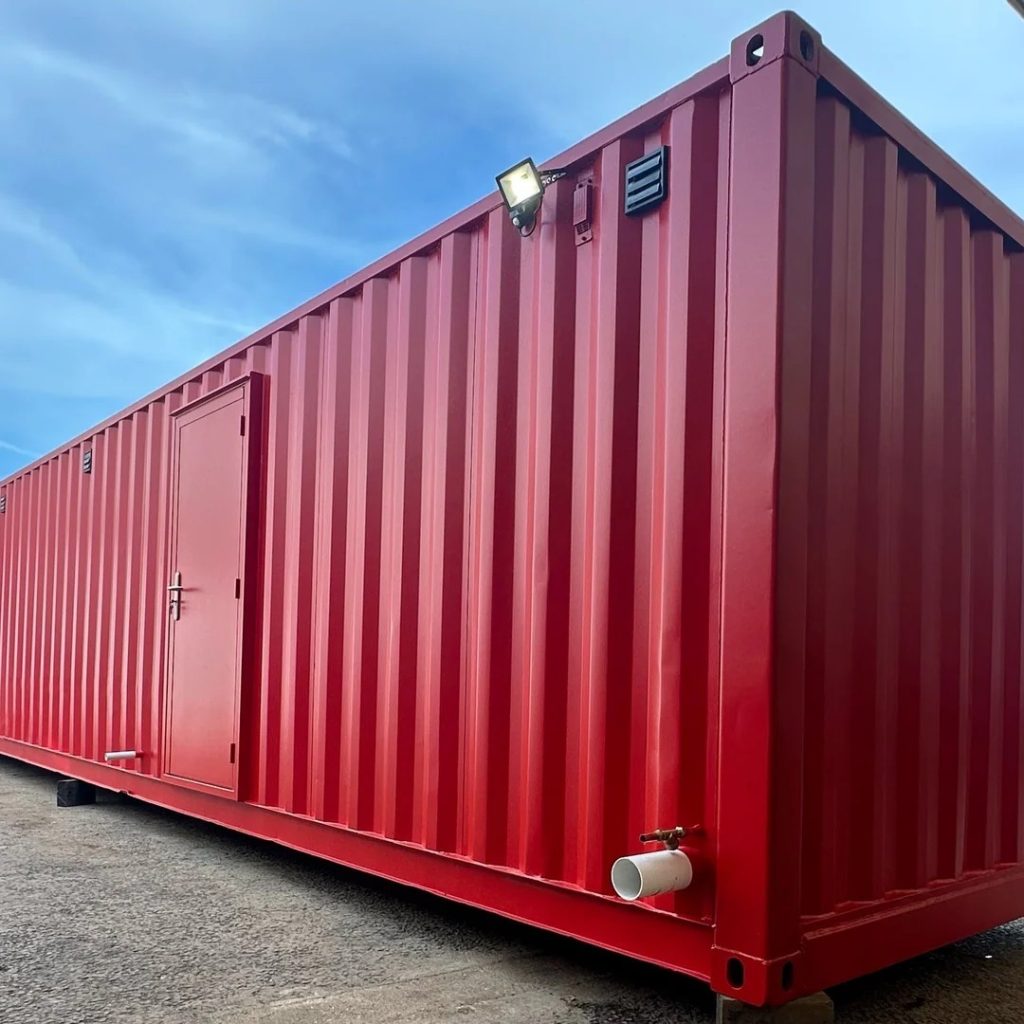
The Ultimate Guide to Storage Shipping Containers: What You Need to Know Before You Buy
If you’re staring at a cluttered garage, a growing inventory of seasonal gear, or a mountain of building materials, you’ve probably wondered: What’s the smartest, most durable way to store all of this? The answer that’s been popping up on construction sites, ecommerce warehouses, and even backyard DIY projects is the storage shipping container.
In this friendly, step‑by‑step guide, we’ll walk you through everything you need to know—from the different sizes and materials to cost‑saving tips, creative uses, and maintenance tricks. By the end, you’ll feel confident picking the perfect container for your unique needs.
1. Why Choose a Shipping Container for Storage?
| Benefit | What It Means for You | Real‑World Example |
|---|---|---|
| Durability | Made of C‑rated steel, they resist weather, pests, and vandalism. | A contractor stores heavy tools on a job site for months without rust. |
| Security | Lockable doors, optional CCTV, and solid steel walls keep valuables safe. | An online retailer keeps high‑value inventory locked away overnight. |
| Mobility | Easily transported on a flatbed truck or lifted by a crane. | A farmer moves a container from the barn to a field for seasonal equipment. |
| Scalability | Stackable and modular—add more units as your storage needs grow. | A startup begins with one 20‑ft container and expands to a small “container park.” |
| Cost‑Effective | Lower upfront cost than building a permanent structure. | A homeowner avoids a $15,000 shed by buying a $3,500 container. |
If any of those benefits line up with your pain points, a shipping container could be the perfect answer.
2. Types of Storage Shipping Containers
| Type | Typical Dimensions (L×W×H) | Ideal Uses | Key Features |
|---|---|---|---|
| Standard Dry Container | 20 ft (20′×8′×8′6″) or 40 ft (40′×8′×8′6″) | General storage, tools, inventory | Weather‑tight, lockable doors |
| High‑Cube Container | Same footprint as dry but 9′6″ tall | Voluminous items, pallets, tall equipment | Extra 1 ft of interior height |
| Reefer (Refrigerated) Container | 20 ft & 40 ft | Perishable goods, temperature‑sensitive items | Integrated cooling unit |
| Open‑Top Container | 20 ft or 40 ft, removable roof | Oversized cargo, lumber, machinery | Large opening for crane loading |
| Flat‑Rack Container | 20 ft or 40 ft, collapsible sides | Heavy machinery, vehicles | Two robust side frames; floor can be removed |
| Modified/Custom Container | Any size, built‑to‑spec | Offices, pop‑up shops, workshops | Added windows, insulation, HVAC, shelving |
Tip: If you just need a simple storage solution for household items, a Standard Dry Container (20‑ft) is usually the most budget‑friendly choice.
3. How to Pick the Right Size
Most people start by estimating the volume of what they need to store. Here’s a quick “size calculator” you can use:
- List your items – Write down each item, its approximate length, width, and height in feet.
- Calculate individual volumes – Multiply L × W × H.
- Add them up – Get a total cubic‑foot estimate.
- Add a 20% safety margin – You’ll rarely fill a container to 100 % because you need space for aisles and moving items.
| Container Size | Internal Volume (cubic ft) | Approx. Storage Capacity |
|---|---|---|
| 20‑ft Dry | ~1,172 | Up to 10–12 pallets, 5,000 lb of mixed goods |
| 40‑ft Dry | ~2,390 | Up to 22–24 pallets, 10,000 lb of mixed goods |
| 20‑ft High‑Cube | ~1,300 | Slightly more vertical clearance |
| 40‑ft High‑Cube | ~2,650 | Ideal for tall equipment |
Quick Reference:
- Small household storage (furniture, boxes, seasonal décor): 20‑ft dry container.
- Medium‑scale inventory (e‑commerce, tools, small machinery): 40‑ft dry or high‑cube.
- Large, bulky items (lumber, generators, vehicles): Open‑top or flat‑rack, possibly multiple units.
4. Cost Breakdown – What Should You Expect to Pay?
| Expense | Typical Range (USD) | What Influences the Price |
|---|---|---|
| Container Purchase | $2,500–$4,500 (20‑ft) / $4,000–$7,500 (40‑ft) | Age of container, condition, location |
| Delivery & Placement | $300–$1,200 per container | Distance, crane rental, site prep |
| Modifications (doors, windows, shelving) | $500–$5,000+ | Scope of work, materials |
| Insurance | $100–$300 annually | Coverage limits, risk profile |
| Maintenance (paint, rust treatment) | $100–$400 per year | Climate, usage frequency |
Saving Tip: Look for used containers that are still in good condition. Many shipping lines retire containers after 20‑30 trips, and they can be bought at a fraction of the cost of brand‑new units.
5. Setting Up Your Container: A Simple Checklist
- Site Preparation
- Clear a level, compacted area (concrete slab, gravel pad, or heavy‑duty mat).
- Ensure proper drainage to avoid water pooling.
- Placement
- Use a forklift, crane, or a specialized container truck to position the unit.
- Keep a 2‑ft clearance on all sides for ventilation and future access.
- Security Measures
- Install a high‑security padlock or a biometric lock.
- Consider a small CCTV camera or motion‑sensor lights.
- Interior Organization
- Add shelving units, pallet racking, or hanging hooks.
- Use plastic bins with lids for small parts to keep dust out.
- Ventilation & Moisture Control
- Mount a vent or small exhaust fan if you store items prone to mildew.
- Place silica gel packets or a dehumidifier for extra protection.
6. Creative Uses for Shipping Containers (Beyond Simple Storage)
- Pop‑up Retail Shops: Turn a container into a chic storefront for weekend markets.
- Home Office or Studio: Insulate, add windows, and you have a quiet, separate workspace.
- Garden Shed & Compost Bin: Convert a small 10‑ft “mini‑container” for gardening tools and composting.
- Outdoor Kitchen: Install a grill, countertop, and sink for a backyard BBQ hub.
- Tiny Home: With proper insulation, plumbing, and electricity, a container can become a legal tiny house.
Pro Tip: When converting, always verify local zoning laws and building codes. Some municipalities require permits for any structure that will be occupied for longer than 30 days.
7. Maintenance – Keep Your Container in Top Shape
| Maintenance Task | Frequency | How‑to |
|---|---|---|
| Exterior Wash | Quarterly | Hose down, use mild detergent, rinse thoroughly. |
| Rust Inspection | Every 6 months | Look for red spots, sand and repaint as needed. |
| Door Seal Check | Annually | Ensure rubber gaskets are intact; replace cracked seals. |
| Floor Inspection | Annually | Spot‑clean spills, apply a protective epoxy coating if heavy loads are stored. |
| Vent Cleaning | Yearly | Remove dust from vents, ensure airflow isn’t blocked. |
If you spot rust early, treat it with a wire brush, apply a rust‑inhibiting primer, and finish with marine‑grade paint. This simple routine can extend the life of a container by 10+ years.
8. Frequently Asked Questions (FAQ)
Q1: Do I need a permit to place a shipping container on my property?
A: It depends on local zoning ordinances. Many residential areas allow containers under a certain size (often 20 ft) without a permit, but larger units or permanent installations may require a building permit. Always check with your city or county planning department.
Q2: Can I stack containers on top of each other?
A: Yes, standard containers are engineered for stacking up to nine units high when placed on a proper foundation. For DIY stacks, two‑to‑three levels is usually safe, provided the ground is level and the containers are secured with twist‑locks.
Q3: How secure are container locks?
A: High‑security padlocks rated ASTM F883 Grade 1 are the industry standard. For maximum security, combine a padlock with a bolted door reinforcement and consider a surveillance system.
Q4: Are containers insulated?
A: Standard dry containers have minimal insulation—just a thin metal panel. If you need temperature control, look for high‑cube containers with added insulation, or opt for a reefer. You can also retrofit insulation panels on the interior walls.
Q5: What’s the weight limit for a container?
A: A typical 20‑ft container can safely carry ≈ 48,000 lb (gross weight) minus the container’s own tare weight (~4,800 lb). Always stay under the Maximum Payload listed on the container’s door.
Q6: Can I paint a container without voiding the warranty?
A: Painting is allowed, but use marine‐grade or epoxy‑based paints designed for steel. Avoid cheap household paints that can trap moisture and cause rust.
Q7: How do I transport a container if I don’t own a truck?
A: Many logistics companies specialize in “container drayage.” You can hire them for a one‑off delivery, or sign a leasing agreement that includes transportation.
Q8: What’s the difference between a “dry” and “reefer” container?
A: Dry containers are non‑temperature‑controlled and are used for general cargo. Reefer containers have built‑in refrigeration units, allowing you to maintain temperatures from -30 °F to +50 °F. They’re more expensive but essential for perishable goods.
9. Final Thoughts – Ready to Get Started?
You’ve now got a full toolbox of information: the different container types, size and cost considerations, a step‑by‑step setup checklist, and even some out‑of‑the‑box ideas for future projects.
If you’re still on the fence, ask yourself these quick questions:
- What am I storing? (Size, weight, climate sensitivity)
- How long will I need it? (Short‑term project vs. permanent solution)
- Do I need mobility? (Will I move it frequently?)
- What budget am I working with? (New vs. used, modifications, delivery)
Answering them will illuminate the perfect container for you.
Now go ahead—measure, compare, and make that purchase! Within a few weeks, you could have a sturdy, secure storage solution that not only declutters your space but also adds a dash of industrial chic to your property.
Happy storing! 🚢✨