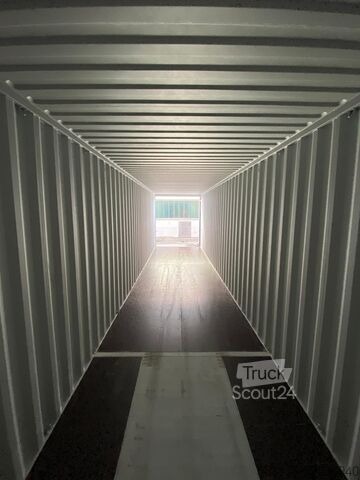
Used Cargo Containers for Sale – Your Complete Buying Guide
Whether you’re a small‑business owner looking for an affordable storage solution, an architect craving a rugged modular structure, or a DIY enthusiast dreaming of a pop‑up shop, used cargo containers have become the go‑to commodity for fast, flexible, and cost‑effective projects. In this post you’ll discover everything you need to know before you click “Add to Cart”:
- What types of containers are available and how they differ
- How to evaluate condition, price, and certification
- The hidden costs you should budget for
- Where to find reputable sellers and how to negotiate
- A step‑by‑step buying checklist
- Frequently asked questions
Grab a notebook—by the end of this guide you’ll be ready to select the perfect container for your needs without any nasty surprises.
1. Why Choose a Used Cargo Container?
| Benefit | Explanation | Typical Savings |
|---|---|---|
| Low acquisition cost | A brand‑new 20‑ft container can cost $3,000‑$5,000, while a used one in good condition often sells for $1,500‑$2,500. | 40‑60 % off retail |
| Immediate availability | Used containers are often already stocked in local yards, meaning you can pick them up within days instead of weeks. | Faster ROI |
| Proven durability | Built to survive ocean voyages, they resist rust, dents, and harsh weather. | Long‑term reliability |
| Versatile applications | From storage units and workshops to pop‑up cafés and tiny homes, the possibilities are endless. | Multi‑purpose value |
| Eco‑friendly | Reusing a container reduces demand for new steel production and keeps surplus steel out of landfills. | Lower carbon footprint |
If you’re still on the fence, think of it this way: you’re buying a “steel box” that already meets international ISO standards, with a proven track record of structural integrity. All you need to do is adapt it to your purpose.
2. Container Types & Sizes – What’s Right for You?
Cargo containers come in a handful of standard dimensions, each with its own set of doors and roof options. Below is a quick‑reference table that helps you line up requirements with the right model.
| Size (L × W × H) | Typical Interior Volume | Door Type | Common Uses | Approx. Used Price* |
|---|---|---|---|---|
| 20 ft Standard (20 × 8 × 8.5 ft) | 1,170 cu ft | Single swing door (8 ft) | Mini‑warehouses, tool rooms, seasonal storage | $1,500‑$2,200 |
| 40 ft Standard (40 × 8 × 8.5 ft) | 2,390 cu ft | Double swing door (8 ft) | Large inventory, auto parts, workshop | $2,300‑$3,600 |
| 20 ft High‑Cube (20 × 8 × 9.5 ft) | 1,320 cu ft | Single swing door | Taller equipment, vertical storage, loft conversions | $1,800‑$2,600 |
| 40 ft High‑Cube (40 × 8 × 9.5 ft) | 2,690 cu ft | Double swing door | Full‑size garage, modular office, pop‑up retail | $2,800‑$4,200 |
| 40 ft Open‑Top (40 × 8 × 8.5 ft) | 2,390 cu ft | No roof, removable canvas | Heavy machinery, timber, scrap metal | $2,500‑$3,800 |
| 45 ft High‑Cube (45 × 8 × 9.5 ft) | 3,050 cu ft | Double door + side door | Large‑scale construction sites, container farms | $3,200‑$4,800 |
*Prices are average US market rates for containers in good condition (no major dents, rust‑free, functional doors). Local demand, shipping distance, and age can shift these figures.
How to decide:
- Space requirement: Sketch a floor plan. If you need a vertical clearance above 8 ft, look at high‑cube models.
- Door access: For loading long items, a double door is far easier than a single door.
- Budget constraints: A 20‑ft standard container is the cheapest entry point; a 45‑ft high‑cube is the most expensive but offers the most interior space per dollar.
3. What “Used” Really Means – Condition Grades
Not every “used” container is created equal. Most sellers grade their inventory using a simple A‑C scale. Knowing the difference saves you from hidden repair bills.
| Grade | Visual Inspection | Structural Integrity | Typical Use Cases |
|---|---|---|---|
| A (Like New) | Minimal dents, no rust, clean interior | Frame, corners, and floor are sound | High‑end offices, boutique shops |
| B (Good) | Some superficial dents, minor surface rust, interior may have residue | No major structural damage; floor may have wear | General storage, workshops |
| C (Fair) | Visible dents, rust patches, possible holes, interior may be dirty | May need reinforcement, floor may be compromised | Heavy‑duty industrial storage, recycling yards |
When you’re shopping, ask the seller for:
- Photos from multiple angles (including interior).
- A condition report outlining any repairs already made.
- ISO certification (e.g., ISO 1496‑1) confirming the container meets international standards.
4. Hidden Costs You Must Budget For
Even after you find the perfect used container at a great price, there are ancillary expenses that can quickly add up. Here’s a checklist to keep your budget realistic.
| Cost Category | Typical Range (USD) | Tips to Reduce |
|---|---|---|
| Delivery / Freight | $150‑$800 (local) | Compare local yards, consider self‑pickup |
| Permit & Zoning Fees | $50‑$300 (municipal) | Verify with city planning before purchase |
| Modifications (cutting, insulation, doors) | $500‑$3,500 | Get quotes from licensed fabricators |
| Painting / Coating | $200‑$1,200 | DIY spray‑paint for simple colors |
| Foundation / Anchoring | $300‑$2,000 | Concrete pads vs. steel footings (choose cheapest safe option) |
| Insurance (optional) | $30‑$120 per year | Shop for cargo‑insurance bundles |
| Taxes (sales, use) | Varies by state | Check if seller is tax‑exempt for commercial buyers |
Pro tip: When you receive a quote, ask the seller to break down each line item. This transparency helps you negotiate better rates, especially for delivery and modifications.
5. Where to Find Reliable Used Cargo Containers
| Platform | Pros | Cons | How to Vet |
|---|---|---|---|
| Local Container Yards | Immediate access, lower transport cost | Limited inventory, may lack online photos | Visit in person, ask for ISO paperwork |
| Online Marketplaces (e.g., eBay, Craigslist) | Wide selection, national reach | Risk of scams, variable condition reports | Check seller rating, request recent photos |
| Specialized Dealers (e.g., ContainerAuction, SeaBox) | Certified containers, financing options | Higher price premium | Verify certifications, read reviews |
| Shipping Companies (post‑season surplus) | Bulk deals, high quality | Minimum order quantities | Ask for “surplus container” programs |
| Industrial Recycling Centers | Cheapest inventory, often “as‑is” | May need extensive refurbishment | Inspect for structural damage before purchase |
Red flags to watch for:
- Prices that are dramatically lower than market averages.
- Sellers who refuse to provide detailed photos or condition reports.
- Lack of a physical address or “PO Box only” contact.
6. Step‑by‑Step Buying Checklist
- Define Your Project Requirements – Size, door configuration, insulation, whether you need a high‑cube, etc.
- Set a Realistic Budget – Include the hidden costs listed above.
- Research Local Suppliers – Use the table above to shortlist three credible sources.
- Request Detailed Quotes & Condition Reports – Ask for photos, ISO numbers, and any refurbishment notes.
- Inspect the Container (if possible) – Look for rust, dents, door alignment, and floor condition.
- Negotiate Price & Delivery – Use the hidden‑cost breakdown as leverage.
- Secure a Purchase Agreement – Include clauses for condition, delivery date, and any warranties.
- Arrange Transport & Permits – Coordinate with a trucking company and confirm local zoning compliance.
- Plan Modifications – Get quotes for any cuts, windows, or insulation you need.
- Finalize Installation – Position the container, anchor it, and apply paint/coating as desired.
Cross out each item as you complete it; the process feels less daunting when you can see progress.
7. Frequently Asked Questions
Q1: How long do used cargo containers last?
A: When properly maintained, a steel container can easily exceed 30 years of service. The key is to keep the exterior clean, address any rust promptly, and ensure the roof and doors stay watertight.
Q2: Can I legally place a container on my residential property?
A: Zoning rules vary by municipality. In many U.S. cities you’ll need a permit for a structure larger than 10 ft², and some HOA’s outright prohibit containers. Always check with local building authorities before purchase.
Q3: Is it safe to convert a container into a living space?
A: Yes, provided you follow building codes for insulation, ventilation, electrical, and fire safety. Many architects use “container homes” that meet the same standards as conventional houses. Hire a licensed contractor for the conversion.
Q4: Do used containers come with a warranty?
A: Most sellers offer a limited warranty (often 30‑90 days) covering major structural defects. Always read the fine print; warranties rarely cover cosmetic damage or wear‑and‑tear.
Q5: What’s the best way to protect a container from rust?
A: Apply a marine‑grade epoxy primer followed by a UV‑resistant topcoat. Regularly wash away salt or grime, especially if the container sits near the coast.
Q6: Can I stack containers on top of each other?
A: Absolutely—containers are engineered for vertical stacking. However, a proper foundation and anchoring system is required, and you may need a crane for safe placement.
Q7: How do I finance a container purchase?
A: Many specialized dealers partner with lenders offering equipment‑finance loans. Alternatively, a short‑term business line of credit can cover the cost. Compare APRs and repayment terms before committing.
8. Final Thoughts – Make Your Purchase with Confidence
Choosing a used cargo container isn’t just about grabbing the cheapest metal box on the lot. It’s about aligning the container’s specifications, condition, and price with your specific project goals while anticipating the additional costs that will arise later. By following the checklist, consulting the tables above, and asking the right questions, you’ll avoid common pitfalls and turn a simple steel shell into a functional asset—whether that’s a secure storage unit, a pop‑up storefront, or the foundation of your next tiny‑home adventure.
Take action today:
- Sketch out the dimensions you need.
- Search for local yards and request condition reports.
- Use the hidden‑cost checklist to create a realistic budget.
When you’re ready, you’ll know exactly what to look for, how much to pay, and how to get the container delivered and ready for use—no surprises, just solid steel and solid value.
Happy hunting!