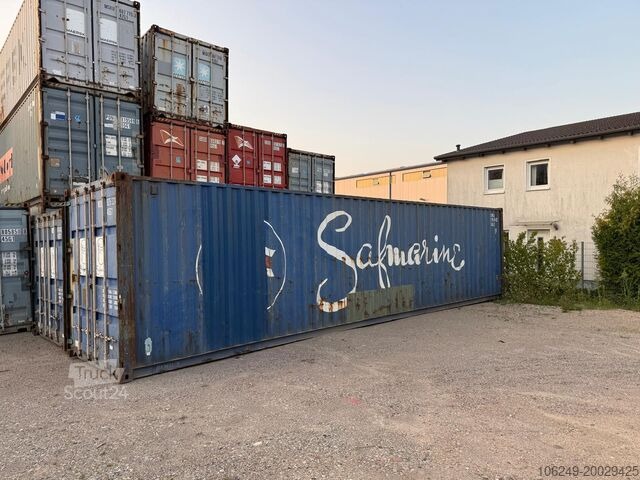
Used Shipping Containers for Sale: A Complete Guide for Your Next Project
If you’ve ever walked past a port and stared at the massive steel boxes stacked like giant Lego bricks, you’ve probably wondered whether those used shipping containers could become something more than just cargo carriers. The short answer is yes—and they’re more versatile, affordable, and sustainable than you might think. In this post you’ll learn everything you need to know to decide if a used container is right for you, how to evaluate the market, and what steps to take to turn a raw steel box into a functional space for work, living, or storage.
1. Why Consider a Used Shipping Container?
Below is a quick‑hit list of the most compelling reasons to choose a used container over a brand‑new one or a conventional building material.
| ✅ Benefit | 📈 What It Means for You |
|---|---|
| Cost‑Effective | Used containers typically cost 30‑70 % less than new units because the original owner has already absorbed the manufacturing cost. |
| Structural Integrity | Even after multiple trips, the steel frame remains strong and weather‑resistant, meeting ISO 668 standards. |
| Rapid Deployment | You can have a container delivered and placed on a foundation within days, not months. |
| Eco‑Friendly | Re‑using a container diverts steel from landfill and reduces demand for new steel production—a green choice. |
| Modular Flexibility | Stack, combine, or cut containers to create larger footprints or unique shapes without major redesign. |
| Global Availability | Shipping routes deliver containers worldwide, meaning you can source locally or import at a competitive price. |
If any of these points resonate with a project you have in mind—whether it’s a pop‑up shop, a backyard office, or a tiny home—keep reading.
2. Types of Shipping Containers You’ll Find on the Market
Not all containers are created equal. The most common classifications you’ll encounter are:
| Container Size | External Dimensions (L × W × H) | Typical Uses |
|---|---|---|
| 20‑foot Standard (Dry) | 20 ft × 8 ft × 8.5 ft | Storage, portable offices |
| 40‑foot Standard (Dry) | 40 ft × 8 ft × 8.5 ft | Larger workshops, pop‑up retail |
| 40‑foot High‑Cube (HC) | 40 ft × 8 ft × 9.5 ft | Extra headroom for living spaces |
| 45‑foot High‑Cube | 45 ft × 8 ft × 9.5 ft | Long‑span workshops, modular extensions |
| Reefer (Refrigerated) | Same as dry but insulated & equipped with a cooling unit | Cold‑storage, food‑service solutions |
| Open‑Top | Same as dry but without a solid roof | Bulk cargo, loading of oversized items |
| Flat‑Rack | Same as dry but with removable side walls | Heavy machinery, vehicles |
When you’re shopping for a used container, the most common listings will be 20‑foot and 40‑foot dry containers. However, if you need extra vertical clearance (e.g., for a loft bedroom), a high‑cube may be worth the modest premium.
3. Where to Find Used Shipping Containers for Sale
- Port Authority Auctions – Many ports hold regular auctions of de‑commissioned containers. Prices can be rock‑bottom, but you’ll often need a truck to haul the unit away yourself.
- Specialist Dealers – Companies such as Container Solutions and BoxHub specialize in refurbishing and reselling used containers. They usually offer delivery, basic modifications, and warranties.
- Online Marketplaces – Platforms like eBay, Craigslist, and Alibaba list containers from private sellers and brokers. Verify the seller’s reputation and request photos of the container’s interior and exterior.
- Freight Forwarders & Shipping Lines – Some carriers sell off surplus containers directly to end‑users. This option can give you a “like‑new” condition at a used price.
- Local Recycling Yards – Occasionally, metal recyclers acquire containers that have been damaged beyond repair but still have salvageable sections for custom builds.
Tip: Always ask for the container’s ISO code (e.g., “ISO 1A”). This tells you the type, size, and whether it meets safety standards.
4. How to Evaluate the Condition of a Used Container
A container may look pristine on the outside but hide problems inside. Use the following checklist while inspecting:
| Inspection Item | What to Look For | Why It Matters |
|---|---|---|
| Exterior Corrosion | Rust spots, especially at corners and welds | Indicates long exposure to salty air; may require sandblasting & repainting |
| Structural Deformation | Bends, dents, or warped frames | Could compromise load‑bearing capacity |
| Door Seals & Gaskets | Cracked or missing rubber seals | Affects weatherproofing, especially for storage of moisture‑sensitive items |
| Floor Condition | Pitted or warped floor panels | May need replacement before installing flooring or heavy equipment |
| Interior Cleanliness | Residual cargo residue, odors, or pest activity | Impacts health and usability for living or food‑service projects |
| Previous Modifications | Cutouts, welded windows, ventilation fans | Determines whether further work is needed or if the container is already “turn‑key” |
If you’re buying remotely, ask the seller for high‑resolution photos of each inspection point and request a condition report. Some dealers even offer a 30‑day return policy if the container arrives with undisclosed damage.
5. Pricing: What Should You Expect?
Below is a snapshot of typical price ranges for used containers in the United States (prices vary by region, condition, and supply chain fluctuations).
| Container Type | Approx. Price (USD) – Good Condition | Approx. Price – Fair Condition | Delivery (within 50 mi) |
|---|---|---|---|
| 20‑ft Dry | $1,200 – $2,200 | $800 – $1,200 | $150 – $300 |
| 40‑ft Dry | $2,200 – $3,800 | $1,500 – $2,200 | $250 – $500 |
| 40‑ft High‑Cube | $2,800 – $4,500 | $1,800 – $2,800 | $300 – $550 |
| 20‑ft Reefer (used) | $3,500 – $5,500 | $2,200 – $3,500 | $400 – $700 |
| Open‑Top (40‑ft) | $2,500 – $4,000 | $1,800 – $2,500 | $300 – $600 |
Factors that shift the price
- Age & mileage – Older containers with many trips may have more wear.
- Location – Shipping a container across the country adds freight fees.
- Modifications – Pre‑cut windows or doors increase value but may limit your customization options.
6. Steps to Purchase and Transform Your Container
Below is a step‑by‑step roadmap that takes you from research to a finished project.
- Define Your Purpose
- Living space? Office? Storage? Knowing the end‑use will dictate size, insulation, and necessary modifications.
- Set a Budget
- Include container cost, delivery, site preparation (foundation, grading), and conversion expenses (insulation, electrical, plumbing).
- Source the Container
- Use the channels listed in Section 3. Get at least three quotes to compare price, condition, and delivery terms.
- Inspect & Verify
- Conduct a visual inspection (or request a third‑party inspection). Confirm the ISO code and ask for a structural certification if you plan to stack containers.
- Negotiate Terms
- Ask about warranties, return policies, and any pre‑delivery cleaning options.
- Arrange Delivery & Site Prep
- Secure a flat, level foundation (concrete slab, steel footings, or compacted gravel). Arrange a crane or forklift if the site is congested.
- Plan Modifications
- Draft a simple layout: door placement, windows, internal partitions, and utilities. Engage a licensed contractor for structural cuts.
- Execute Conversion
- Insulation: Spray‑foam, blanket, or panel insulation.
- Electrical & Plumbing: Obtain permits; run conduit and pipe before interior finishes.
- Finishing: Drywall, flooring, paint, and fixtures.
- Final Inspection & Certification
- Have the local building department sign off on occupancy permits (if applicable).
- Enjoy Your New Space!
7. Common Uses for Used Shipping Containers
| Use Case | Advantages | Typical Modifications |
|---|---|---|
| Pop‑up Retail Store | Low overhead, mobile, eye‑catching | Glass storefront, branding graphics, HVAC |
| Home Office / Studio | Quiet, private, quick setup | Insulation, soundproofing, built‑in desk |
| Tiny Home | Compact, off‑grid capable | Interior walls, kitchen, bathroom, solar panels |
| Workshop / Garage | Strong floor load capacity | Heavy‑duty doors, extra shelving, ventilation |
| Rooftop Garden | Utilizes unused roof space | Waterproof membrane, planters, irrigation |
| Emergency Shelter | Rapid deployment in disaster zones | Bunk beds, heating, solar power, water storage |
When you match a specific application with the right container type and conversion plan, the result can be both functional and stylishly industrial.
8. Frequently Asked Questions (FAQ)
Q1: Is it legal to place a shipping container on my property?
Yes, but you’ll need to check local zoning ordinances and obtain a building permit if you’re converting it into a habitable space. Some municipalities treat a container as a “temporary structure,” while others require full compliance with residential codes.
Q2: How long does a used container last?
If maintained properly, the steel shell can last 30‑40 years or more. Corrosion can be mitigated with regular inspections, repainting, and proper drainage.
Q3: Do I need to treat a container for pests?
Used containers can harbor insects or rodents, especially if they’ve stored cargo. A thorough cleaning, pest control treatment, and sealing of all gaps will eliminate most issues.
Q4: Can I stack two used containers?
Only if the containers are structurally certified for stacking (ISO 1496‑2). Verify the container’s “stack height” rating and consult an engineer before proceeding.
Q5: What’s the best insulation method for a container home?
Closed‑cell spray foam offers the highest R‑value per inch and also seals gaps to prevent condensation. For a budget option, rigid foam board combined with interior paneling works well.
Q6: How much does delivery typically cost?
Delivery prices vary by distance and container size. Expect $150‑$300 for a 20‑ft unit within 50 mi and $250‑$500 for a 40‑ft unit over the same distance.
Q7: Are there financing options for buying a used container?
Some container dealers partner with lenders to offer short‑term loans or lease‑to‑own programs. Traditional banks may also finance a container as personal property if you provide a solid business plan.
9. Quick Reference Cheat Sheet
| Item | Key Takeaway |
|---|---|
| Best Value | 20‑ft dry container in good condition; $1,200‑$2,200 |
| Top Choice for Living | 40‑ft high‑cube, insulated, with windows; $2,800‑$4,500 |
| Most Common Issue | Exterior rust – budget for sandblasting & repaint |
| Typical Delivery Time | 7‑14 days after purchase (depends on distance) |
| Average Conversion Cost | $50‑$150 per sq ft (insulation, utilities, finishes) |
| Permits Needed | Building, electrical, plumbing (if habitable) |
| Sustainability Bonus | Reduces steel waste, carbon footprint up to 30 % vs new build |
10. Final Thoughts
A used shipping container is more than a rust‑spotted box; it’s a sturdy, modular platform that can be reshaped to meet a surprising array of needs. By carefully evaluating condition, understanding price drivers, and planning a thoughtful conversion, you can turn a few thousand dollars into an affordable, eco‑friendly space that adds value to your home or business.
So, the next time you spot a stack of steel giants at the dock, ask yourself: What could I build with one of these? With the information in this guide, you’re ready to make an informed purchase, avoid common pitfalls, and unleash the hidden potential of a used shipping container. Happy building!