The Ultimate Guide to Buying & Using Used Shipping Containers
If you’ve ever wondered how a simple steel box can become a home, a pop‑up shop, or a rugged storage solution, you’re in the right place. This post walks you through everything you need to know about used shipping containers – from sizes and pricing to creative applications and maintenance tips. By the end, you’ll be equipped to make an informed purchase that fits your budget and vision.
1. What Exactly Is a “Used Shipping Container”?
A used shipping container (sometimes called a second‑hand container or pre‑owned container) is a steel cargo box that has already completed one or more trips on ships, trucks, or trains. Because they’re built to the ISO (International Organization for Standardization) standards, they’re:
| Feature | Why It Matters |
|---|---|
| Standard dimensions | Interchangeable on any transport mode, no custom fittings required |
| Durable steel construction | Resists corrosion, impacts, and harsh weather |
| Weather‑tight doors | Protects contents from rain, wind, and pests |
| Stackable design | Allows you to store several units in a small footprint |
Even after multiple voyages, a container’s structural integrity remains solid – especially if it’s been inspected and refurbished. That’s why they’re a cost‑effective alternative to brand‑new units.
2. Why Choose a Used Container Over a New One?
| Benefit | Explanation |
|---|---|
| Price | Used containers typically cost 40‑70 % less than new equivalents. A 20‑ft new box can be $4,000–$5,000; a used one may be $1,500–$2,500. |
| Availability | Large inventories exist in ports, salvage yards, and online marketplaces, often with same‑day delivery options. |
| Eco‑friendly | Repurposing a container reduces steel production demand, cutting your carbon footprint. |
| Customization flexibility | Since you’re buying a “blank canvas,” many vendors include basic refurbishments (paint, rust removal, door seals) that you can later modify. |
| Resale value | Well‑maintained containers hold resale value, especially in booming construction or storage markets. |
3. Standard Sizes & Types (Quick Reference Table)
| Size | Exterior Dimensions (L × W × H) | Interior Volume | Typical Use | Common Modifications |
|---|---|---|---|---|
| 20‑ft Standard | 20’ × 8’ × 8’6” | 1,172 ft³ | Small storage, pop‑up shops | Windows, half‑height doors |
| 40‑ft Standard | 40’ × 8’ × 8’6” | 2,390 ft³ | Workshops, tiny homes | Full‑height doors, insulation |
| 40‑ft High‑Cube | 40’ × 8’ × 9’6” | 2,700 ft³ | Offices, living spaces | Skylights, interior walls |
| 45‑ft High‑Cube | 45’ × 8’ × 9’6” | 3,040 ft³ | Small warehouses | Additional shelving |
| Refrigerated (“Reefer”) | Varies (20‑ft or 40‑ft) | Same as size | Cold‑chain storage | Insulation, temperature control units |
Note: All dimensions are exterior unless otherwise stated. Interior space is slightly less due to wall thickness (≈ 1.5 in).
4. Creative Ways to Put a Used Container to Work
Below is a list of popular applications—feel free to mix and match ideas to suit your project:
- Mobile Offices – Install HVAC, power outlets, and glass partitions for a sleek field office.
- Tiny Homes – Combine two 20‑ft units or a 40‑ft high‑cube with insulation and interior finishes.
- Pop‑Up Retail – Add branding graphics, a roll‑up door, and shelving for a weekend market stall.
- Workshop / Garage – Weld in heavy‑duty shelves, a concrete floor, and overhead lighting.
- Emergency Shelter – Quick‑to‑deploy, weather‑tight, and easily transportable for disaster relief.
- Vertical Farming – Stack multiple containers and install hydroponic racks and LED grow lights.
- Art Installations – Paint, cut windows, or attach metalwork for an industrial aesthetic.
- Data Centers – Use the metal skin as a fire‑resistant enclosure, add cooling racks and UPS systems.
- Bike or Car Parking – Fit a secure entry system and internal bike racks or vehicle lifts.
- Storage for Boats / ATVs – A 40‑ft high‑cube provides enough height for large equipment.
5. How to Choose the Right Used Container for Your Project
5.1 Checklist Before Buying
| Item | Why It Matters |
|---|---|
| Structural inspection | Look for dents, rust patches, or compromised corners. |
| Door functionality | Ensure hinges and seals operate smoothly; gaps can cause moisture ingress. |
| History & provenance | Verify whether the container was used for hazardous cargo (e.g., chemicals). |
| Modifications already done | Some sellers offer pre‑cut windows or painted exteriors – could save you time. |
| Delivery logistics | Check crane availability, site access, and road permits for oversized loads. |
| Warranty or return policy | Reputable dealers often provide a short warranty (30‑90 days). |
5.2 Cost‑Breakdown Table
| Cost Component | Approx. Range (USD) | Typical % of Total |
|---|---|---|
| Purchase price (20‑ft) | $1,200 – $2,500 | 55 % |
| Delivery & handling | $300 – $800 | 15 % |
| Modifications (cutting, welding) | $500 – $2,000 | 20 % |
| Insulation & interior fit‑out | $800 – $3,000 | 10 % |
| Total (average project) | $2,800 – $8,300 | 100 % |
These figures are based on US market data for 2024–2025. Prices vary by region, container condition, and scope of work.
6. Maintenance Tips to Keep Your Container in Top Shape
- Regular cleaning – Remove dust and debris from doors and hinges to prevent corrosion.
- Inspect seals – Re‑apply rubber gaskets or silicone caulk around doors every 2–3 years.
- Touch‑up paint – A fresh coat of rust‑inhibiting paint extends life by up to 10 years.
- Ventilation – Install passive vents or small fans to avoid condensation inside, especially for refrigerated units.
- Grounding – Ensure the container is properly grounded when used as an office or home to mitigate static electricity.
- Load distribution – Never exceed the manufacturer’s weight rating (≈ 58,000 lb for a 20‑ft unit). Evenly distribute heavy items to avoid frame warping.
7. Environmental Impact – Why a Used Container Is a Green Choice
| Aspect | Conventional Build | Used Container Repurposing |
|---|---|---|
| Material production | New steel > 4 tons of CO₂ per ton of steel | No new steel needed – up to 85 % reduction in embodied carbon |
| Construction waste | High (cutting, demolition) | Minimal; most modifications are reversible |
| Lifespan | 30–50 years (if built from scratch) | 20–30 years additional life if properly maintained |
| Energy use | Heavy foundation, framing, HVAC | Container’s steel shell provides inherent insulation; less material for walls |
Reusing a container not only saves money but also helps you achieve LEED or other sustainability certifications for your project.
8. Frequently Asked Questions (FAQ)
| Question | Answer |
|---|---|
| Can I buy a used container that once held hazardous materials? | Legally you can, but you should request a cleanliness certificate from the seller and have the container professionally decontaminated. |
| What is the typical lifespan of a used container? | With regular maintenance, a used container can last 15–25 years beyond its original service life. |
| Do I need a special permit to place a container on my property? | Most municipalities require a temporary structure permit if the container is used as a dwelling or office. Check local zoning regulations before ordering. |
| Is it possible to stack containers on top of each other? | Yes. ISO containers are designed to be stacked up to 8–9 units high when placed on a proper twist‑lock structure. |
| How much does insulation add to the cost? | R‑value‑rated spray foam or rigid board insulation adds $1,000–$2,500 for a 40‑ft unit, depending on thickness and finish. |
| Can I connect electricity and plumbing inside a container? | Absolutely. You’ll need to cut openings for conduit and pipe, then follow local building codes for electrical and plumbing installations. |
| What’s the difference between a “standard” and a “high‑cube” container? | High‑cube containers are 1 ft taller, offering extra interior volume—ideal for standing height in living or office spaces. |
| Do used containers come with a warranty? | Many reputable dealers provide a limited warranty (30‑90 days) covering structural defects. Extended warranties are available for an additional fee. |
| Is it safe to use a container in a hurricane‑prone area? | Yes, if properly anchored and reinforced. Adding steel bracing and a concrete foundation greatly improves wind resistance. |
| Can I paint the exterior myself? | You can, but you’ll need a rust‑inhibiting primer and a high‑quality, weather‑proof acrylic or epoxy paint. Proper surface preparation is key. |
9. Step‑by‑Step: Turning a Used Container Into a Functional Space
- Find a reputable supplier – Use platforms like ContainerOne, Cargotecture, or local port auctions. Verify reviews and ask for photos of the exact unit.
- Inspect the unit – Look for dents, rust, and door alignment. Request a Certificate of Conformance if possible.
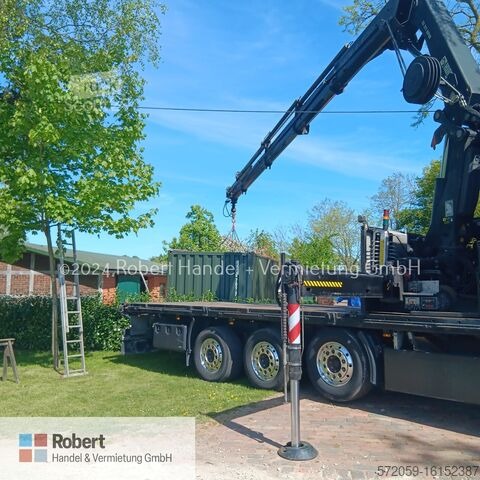
- Arrange delivery – Provide clear site access details. A crane or forklift will typically handle the lift.
- Plan modifications – Sketch a layout, mark cut‑out locations for windows/doors, and decide on insulation and interior finish.
- Hire qualified tradespeople – Cutting steel requires a certified welder; electrical and plumbing work must meet local code.
- Install utilities – Route power, water, and HVAC before sealing interior walls.
- Finish interior – Add drywall, flooring, and fixtures. Use moisture‑resistant materials if you live in a humid climate.
- Seal and paint exterior – Apply primer, paint, and a protective clear coat to guard against UV and corrosion.
- Secure the unit – Anchor to a concrete footing or a steel frame to meet safety standards.
- Enjoy! – Your transformed container is now ready for daily use.
10. Final Thoughts
Used shipping containers are more than just metal boxes sitting at the dock—they’re versatile building blocks that can be reshaped into homes, offices, shops, and many other functional spaces. By understanding the sizes, costs, and maintenance needs, you can confidently select a container that fits both your budget and imagination.
Remember: Inspect, plan, and customize. With a little creativity and the right partner, that weather‑tight steel box can become the cornerstone of your next project—while also delivering a win for your wallet and the planet.
Happy building! 🚢🏡