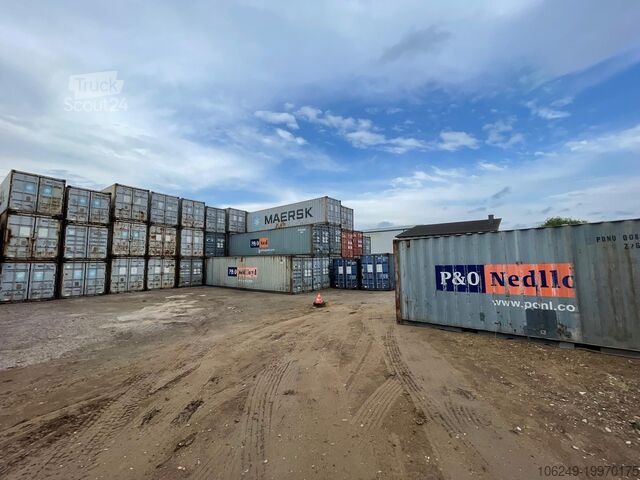
The Complete Guide to Buying a 10‑Foot Shipping Container
If you’re scrolling through listings for “10ft container for sale,” you’re probably wondering whether that little rectangle of steel is the right fit for your project. Maybe you need a compact storage solution for a workshop, a tiny mobile office for a construction site, or a portable pantry for a restaurant. Whatever the case, a 10‑foot container can be a surprisingly versatile asset—provided you know exactly what to look for.
In this post we’ll walk you through everything you need to consider before hitting “Buy”:
| Item | Why It Matters | Typical Values / Options |
|---|---|---|
| Dimensions (L × W × H) | Determines how much cargo you can fit, and whether the container will clear doorways, elevators, or loading bays. | 10 ft × 8 ft × 8.5 ft (standard height) – or 10 ft × 8 ft × 9.5 ft (high‑cube) |
| Material Grade | Influences durability, corrosion resistance, and weight. | C‑Type (new, ~1.8 mm steel) – or B‑Type (used, ~1.5 mm steel) |
| Condition | Impacts price and any immediate refurbishment you’ll need. | New, Like‑New, Refurbished, Used (with rust, dents, etc.) |
| Doors & Locks | Affects security and ease of loading/unloading. | Single swing door, double swing door, side doors; lock options (padlock, cam lock, electronic) |
| Ventilation | Prevents moisture buildup—crucial for tools, documents, or perishable goods. | No vents, side vents, roof vents, or custom ventilation kits |
| Compliance | Determines whether the container can be used for transport, storage, or habitation under local regulations. | ISO 668 (standard), CSC (Convention for Safe Containers) certified, or non‑certified |
Quick tip: If you plan to use the container as a livable space (office, pop‑up shop, tiny home), make sure it’s CSC‑certified and check local building codes before you purchase.
1. Why Choose a 10‑Foot Container?
You might think “10 ft is too small.” Not so! Below are five scenarios where a 10‑foot unit shines:
| Scenario | Benefit of a 10‑ft Container |
|---|---|
| Urban Workshops | Fits neatly into tight back‑alley spaces; easy to maneuver with a forklift or pallet jack. |
| Mobile Pop‑Up Shops | Light enough to load onto a flatbed truck for weekend markets. |
| Construction Site Storage | Stores high‑value tools and safety gear without taking up a whole 20‑ft container’s footprint. |
| Seasonal Inventory | Perfect for a small batch of winter apparel or holiday décor. |
| DIY Tiny Home | With high‑cube height, you get ~68 cu ft of interior volume—enough for a compact sleeping loft and tiny kitchen. |
Because the container is smaller, the purchase price and shipping cost are lower, and you can often find them ready‑to‑use at local dealers or online marketplaces.
2. What to Look for When Buying
a. Check the Structural Integrity
- Roof & Floor: Look for rust, dents, or water damage. A solid floor should feel firm underfoot; any sponginess suggests rot or corrosion.
- Corners & Frames: These are the load‑bearing parts. Major dents can compromise the container’s ability to be stacked or lifted.
b. Verify the Door Mechanism
- The door should open smoothly, seal tightly, and lock securely. Test the hinges, latch, and any seals for wear.
c. Ask About Modifications
If you need windows, a vent, or an internal partition, ask whether the seller already performed those modifications or if they can be done after purchase.
d. Know the Legal Requirements
- CSC Plate: Required for containers used in international shipping.
- ISO 13964: A standard for modified containers (e.g., those with openings, windows).
- Local Zoning: Some municipalities restrict “temporary structures” like containers used as offices or retail spaces.
e. Factor in Delivery Costs
A 10‑ft container weighs about 2,200 lb (1 ton) empty. Depending on your location, expect a delivery fee of $150‑$400 for a short haul (under 100 mi). For longer distances, you may need to arrange rail or sea freight in addition to trucking.
3. Pricing Snapshot – What to Expect
Below is a quick reference table based on current U.S. market data (prices are averages as of Q3 2025).
| Condition | Typical Price (USD) | Included Extras |
|---|---|---|
| New, C‑Type, standard height | $3,200 – $3,800 | CSC plate, lock, basic door |
| New, high‑cube, standard height | $3,600 – $4,200 | CSC plate, lock, side vent |
| Refurbished (minor rust, new paint) | $2,200 – $2,800 | Padlock, interior shelving kit |
| Used (visible dents, no paint) | $1,500 – $2,000 | None (buyer responsible for refurb) |
| Custom‑modified (doors, windows) | $3,500 – $5,000+ | Windows, electrical wiring, insulation |
Pro tip: If you’re buying for a non‑transport purpose (e.g., storage or office), you can often save $500‑$800 by opting for a non‑certified used container and handling the certification yourself.
4. How to Get the Most Value
- Inspect in Person – Photos can hide subtle rust or structural damage. Bring a flashlight, a metal detector (for hidden plates), and a moisture meter.
- Negotiate Delivery – Some sellers will bundle delivery for free if you purchase a second container or agree to a longer lease.
- Plan for Up‑Fit – If you need interior lighting, power outlets, or climate control, purchase a DIY upgrade kit. Many vendors sell pre‑wired kits for high‑cube containers that can be installed in a few hours.
- Consider a Lease‑to‑Own – For startups or seasonal businesses, a lease‑to‑own arrangement spreads cost over 6‑12 months and often includes maintenance.
- Check Warranty – New containers may come with a 12‑month warranty against structural defects. Even used containers can have a limited “seller guarantee” for rust or mechanical issues.
5. Frequently Asked Questions
| Question | Answer |
|---|---|
| Can I stack a 10‑ft container on a standard pallet? | Yes, as long as the container has a certified CSC plate and the pallet can support the 2,200 lb weight. Use proper forklift attachments to avoid damaging the corners. |
| Is a 10‑ft container legal to use as a tiny home? | It can be, but you’ll need to meet local building codes (e.g., fire safety, egress windows, insulation) and obtain a permit. A high‑cube version provides more headroom, which is often required for habitable spaces. |
| What’s the difference between a “standard” and “high‑cube” container? | High‑cube containers are 1 ft taller (9.5 ft vs. 8.5 ft). The extra height adds roughly 10 % more interior volume, which is valuable for standing room or additional shelving. |
| How do I prevent condensation inside the container? | Install ventilation (roof or side vents), use a dehumidifier, and line the interior with a moisture‑resistant barrier. Adding insulation also helps regulate temperature and reduce condensation. |
| Can I have the container painted a custom color? | Absolutely. Most sellers offer a “paint‑to‑order” option for an extra $150‑$300. For a DIY approach, use marine‑grade epoxy primer followed by a high‑quality exterior paint. |
| What financing options are available? | Many container dealers partner with equipment financing firms offering 0‑% interest for 12 months or low‑rate loans up to 5 years. Leasing is also common, especially for businesses that need short‑term storage. |
| Do I need a special permit to place the container on my property? | It varies by city and zoning district. In most residential zones, a 10‑ft container is considered a temporary structure, requiring a simple site‑plan approval. Always check with your local planning department. |
| How long does delivery typically take? | For local sellers (within 100 mi), delivery is often same‑day or next‑day. For out‑of‑state purchases, expect 3‑7 business days for trucking, plus any customs clearance if imported. |
| Can I rent a 10‑ft container instead of buying? | Yes—many container companies offer month‑to‑month rentals starting at $100‑$150 per month, including maintenance and delivery. This can be a cost‑effective trial before committing to purchase. |
6. Step‑by‑Step Checklist for Your Purchase
- Define Your Use‑Case – Storage, office, shop, or home?
- Measure Your Space – Verify doorways, driveway width, and ceiling height.
- Set a Budget – Include container price, delivery, and any modifications.
- Search Reputable Sellers – Look for ISO‑certified dealers, read reviews, and request photos.
- Inspect the Container – Use the checklist above; ask for a third‑party inspection if buying remotely.
- Negotiate Terms – Price, delivery, warranty, and any add‑ons (paint, locks, ventilation).
- Arrange Financing – Choose between cash, loan, or lease based on cash flow.
- Finalize Documentation – Ensure you receive a bill of sale, CSC plate documentation, and any warranty paperwork.
- Plan the Delivery – Coordinate dates, access routes, and site preparation (e.g., a concrete pad).
- Upgrade & Outfit – Install shelving, lighting, power, or climate control as needed.
7. Real‑World Example: Turning a 10‑Foot Container into a Mobile Pop‑Up Café
You run a food‑truck business and need a compact prep space for weekday mornings.
- Purchase – A refurbished, high‑cube 10‑ft container for $3,200 (includes CSC plate).
- Delivery – Local dealer ships it to your site for $180.
- Modification – Install a side door with a lock, add a small window for natural light, and fit a vented roof hatch. Cost: $600.
- Outfit – Add stainless‑steel countertops, a small sink, a countertop fridge, and a portable espresso machine. Total interior fit‑out: $1,200.
- Result – You now have a 68 cu ft certified prep area that slides onto the back of your truck each morning, saving $2,000 per month on rented kitchen space.
This example demonstrates how a modest investment in a 10‑ft container can unlock new revenue streams without the overhead of a larger facility.
8. Final Thoughts
A 10‑foot container may be the smallest standard size in the ISO lineup, but its compactness is its greatest strength. By focusing on the right specifications—material grade, condition, height, and compliance—you can secure a container that fits perfectly into tight spaces, stays within budget, and adapts to a variety of uses.
Remember to:
- Inspect thoroughly before you buy.
- Consider the total cost, including delivery, modifications, and permits.
- Leverage financing or leasing if cash flow is a concern.
- Plan for upgrades early to avoid costly retrofits later.
Armed with this knowledge, you’re ready to turn that “10ft container for sale” listing into a functional, reliable asset for your business or personal project. Happy hunting!