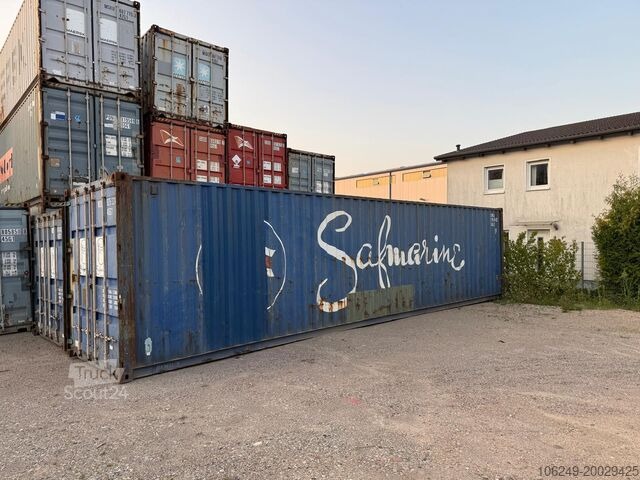
20‑Foot Shipping Containers for Sale – What You Need to Know Before You Buy
If you’re looking for a versatile, secure, and relatively inexpensive storage solution, a 20‑foot shipping container (often called a “20‑ft container”) is probably at the top of your list. Whether you’re a small‑business owner needing extra inventory space, a DIY enthusiast wanting a portable workshop, or a homeowner seeking a weather‑proof out‑building, this size hits the sweet spot of capacity and maneuverability.
Below is a comprehensive guide that walks you through everything you should consider before making a purchase. The information is presented in a second‑person voice so you can easily picture how each point applies to your own project.
1. Why a 20‑Foot Container Might Be Right for You
| Benefit | How It Helps You | Typical Use‑Cases |
|---|---|---|
| Compact footprint | Fits into tighter lot sizes, eases transport | Urban warehouses, backyard offices |
| Lower cost than larger units | Saves capital while still delivering 1,170 cu ft of space | Start‑up storage, hobbyist workshops |
| Standardized dimensions | Simplifies loading, permitting, and stacking | Freight forwarding, portable clinics |
| Durable steel construction | Withstands harsh weather, theft, and impact | Construction sites, remote farms |
| Easy to modify | Allows you to add doors, windows, insulation, or shelving | Pop‑up shops, art studios, tiny homes |
If any of those scenarios sound familiar, you’re already a step closer to deciding whether a 20‑ft container fits your needs.
2. Core Specifications You Should Check
| Specification | Typical Value (ISO Standard) | Why It Matters to You |
|---|---|---|
| External dimensions | 20 ft (6.06 m) L × 8 ft (2.44 m) W × 8.5 ft (2.59 m) H | Determines how much ground space you’ll need |
| Internal dimensions | 19.4 ft (5.90 m) L × 7.7 ft (2.35 m) W × 7.9 ft (2.39 m) H | Gives you the usable volume for storage or work |
| Tare weight | 4,800 lb (2,180 kg) | Affects trailer capacity and payload limits |
| Maximum payload | 48,000 lb (21,770 kg) | Lets you calculate how many pallets or items you can load |
| Door opening | 7.7 ft (2.34 m) wide × 7.5 ft (2.28 m) high | Influences the size of equipment you can move in/out |
| Material | Corten steel (weather‑resistant) with a 1.2 mm wall thickness | Impacts longevity and resistance to rust |
| ISO rating | ISO 668 (standard for freight containers) | Guarantees compatibility with global logistics |
These numbers are standards for a dry‑storage container. If you need a refrigerated (“reefers”) or a high‑cube version, dimensions will shift slightly (typically +1 ft of internal height).
3. Types of 20‑Foot Containers Available for Sale
| Type | Key Features | Typical Price Range (USD) |
|---|---|---|
| Standard Dry Container | Plain steel walls, lockable doors, no insulation. Ideal for general cargo. | $1,800 – $3,200 (used) |
| High‑Cube Dry Container | 1 ft extra internal height (9.5 ft external). More vertical space. | $2,200 – $3,700 (used) |
| Refrigerated (Reefer) | Insulated walls, temperature‑controlled unit (usually -20 °C to +30 °C). | $7,500 – $12,000 (used) |
| Open‑Top Container | Removable roof, great for oversized loads. | $2,200 – $3,800 (used) |
| Flat‑Rack Container | No side walls, only a base and end walls. Good for machinery. | $2,500 – $4,500 (used) |
| Modified/Custom Container | Windows, ventilation, electrical wiring, interior partitions. | $3,500 – $7,000+ (depends on custom work) |
Quick tip: If you’re buying primarily for storage, the standard dry container offers the best value. For workshops or living spaces, consider a high‑cube or a custom‑modified unit.
4. How to Evaluate a Container Before Buying
- Inspect the Exterior – Look for dents, rust, and gouges. Small dents are normal; extensive corrosion can compromise structural integrity.
- Check the Door Gasket – The rubber seal should be flexible, without cracks. A faulty gasket leads to water ingress.
- Verify the Floor – Many containers have a wooden or plywood floor. Ensure there are no rot spots or sagging sections.
- **Ask for the ISO Plate – The steel plate stamped on the door frame lists the container’s ID, weight, and certification.
- **Confirm the Cargo History – If you’re buying a used unit, ask the seller whether it ever held hazardous materials. A “clean” container is easier to repurpose.
- Measure the Interior – Take your own measurements, especially if you plan to install shelving or equipment that must fit precisely.
- Request Photos/Videos – For long‑distance purchases, a video walk‑through can reveal hidden issues.
5. Pricing Factors: What Drives the Cost?
| Factor | Influence on Price | Example |
|---|---|---|
| Condition | New > Refurbished > Used (with wear) | A brand‑new ISO‑certified unit may cost $5,000+; a well‑maintained used unit often lands under $3,000. |
| Location | Shipping costs add up; containers nearer to ports are cheaper. | Buying a container in Los Angeles may be $400 cheaper than one in a remote inland warehouse. |
| Age | Older containers may have more corrosion, lowering the price. | A 15‑year‑old container may be $500 less than a 5‑year‑old one of the same type. |
| Modifications | Windows, doors, electrical wiring add value. | A container with a built‑in office layout can command $1,000‑$2,000 extra. |
| Market Demand | Peaks during pandemic‑driven storage surges. | In 2021, container prices rose 30% globally. |
| Season | Off‑season (winter) sales often include discounts. | Many dealers offer 5‑10% off in December. |
Understanding these variables helps you negotiate better and avoid overpaying.
6. Where to Buy a 20‑Foot Container
| Source | Pros | Cons |
|---|---|---|
| Local Container Yards | Immediate inspection, no long shipping. | Limited inventory, variable pricing. |
| Online Marketplaces (e.g., eBay, ContainerAuction.com) | Wide selection, ability to compare. | Requires careful vetting of sellers. |
| Specialized Dealers (e.g., Mobile Mini, PODS) | Professional refurbishment, warranties. | Higher price point. |
| Direct from Shipping Lines | Often brand‑new, ISO‑certified. | Minimum order quantities, longer lead time. |
| Auction Houses | Potential for bargains. | Risk of unknown condition, limited inspection time. |
Pro tip: When you find a container you like, ask the seller for a pre‑purchase inspection report and request a clear title (no liens).
7. Delivery, Installation, and Permitting
| Step | What You Should Do | Typical Cost (USD) |
|---|---|---|
| Site Preparation | Level the ground, add a concrete pad or crushed stone base. | $500 – $2,000 (depending on size) |
| Transportation | Arrange a truck with a suitable crane or low‑boy trailer. | $300 – $800 (local) |
| Craning Into Place | Use a small crane or forklift for precise placement. | $200 – $600 |
| Permits | Check local zoning for out‑building restrictions, fire codes if you plan to install electricity. | $50 – $300 |
| Utility Hook‑ups | If you need electricity or water, hire an electrician/plumber. | $150 – $500 (basic) |
If you’re converting the container into a living space, you’ll also need insulation, ventilation, and HVAC—budget an additional $2,000‑$5,000 depending on the finish level.
8. Customization Ideas: Turning a Box into a Functional Asset
- Insulation & Interior Walls – Spray‑foam or rigid board insulation keeps temperature stable for offices or workshops.
- Windows & Skylights – Cutouts with double‑glazed units add natural light, making the space more habitable.
- Electrical & Lighting – Install a breaker panel, LED fixtures, and outlets for tools or computers.
- Flooring – Deck the steel floor with interlocking tiles, epoxy, or rubber mats for a cleaner work surface.
- Exterior Paint – Choose a weather‑resistant coating in corporate colors or camouflage for a unique look.
- Security Enhancements – Add a padlock, CCTV, or a steel gate for extra protection.
Below is a quick reference table to help you budget these upgrades:
| Upgrade | Approx. Cost (USD) | Time Required |
|---|---|---|
| Basic insulation (spray‑foam) | $500 – $900 | 1–2 days |
| Double‑glazed window (2 ft × 3 ft) | $250 – $400 | 0.5 day |
| Interior lighting (LED panel) | $120 – $250 | 0.5 day |
| Heavy‑duty floor coating (epoxy) | $600 – $1,200 | 2 days |
| Exterior paint (full coverage) | $400 – $800 | 1 day |
| Security lock set | $80 – $150 | <0.5 day |
9. Maintenance Checklist – Keep Your Container in Top Shape
| Frequency | Task | Why It Matters |
|---|---|---|
| Monthly | Inspect doors, hinges, and seals for wear. | Prevents water leaks and security breaches. |
| Quarterly | Clean interior, remove debris, check for rust spots. | Extends the lifespan of the steel. |
| Annually | Apply a rust‑inhibiting primer and repaint exterior if needed. | Maintains corrosion resistance. |
| Every 2–3 Years | Re‑seal the floor joints and re‑apply caulking. | Avoids moisture infiltration that could damage stored goods. |
| As Needed | Lubricate moving parts (door rollers, hinges). | Ensures smooth operation. |
A well‑maintained container can easily serve you for 20‑30 years, delivering a solid return on investment.
10. Frequently Asked Questions (FAQ)
Q1: How much does a used 20‑ft container typically weigh?
A: The tare weight (empty weight) is around 4,800 lb (2,180 kg). Add the payload you load to stay within the maximum gross weight of about 52,800 lb (23,950 kg).
Q2: Can I stack a 20‑ft container on top of a 40‑ft container?
A: Yes, provided the lower container is rated for stacking (most ISO containers are). Use a certified crane and follow the stacking limit – usually up to four containers high for standard units.
Q3: Is it legal to use a shipping container as a tiny house?
A: In many jurisdictions it is, but you must obtain proper building permits, meet zoning setbacks, and comply with fire and electrical codes. Check with your local municipality before converting.
Q4: What’s the difference between a “dry” and a “high‑cube” container?
A: Both are standard steel containers, but a high‑cube adds 1 ft of internal height, giving you roughly 118 cu ft extra of usable space.
Q5: How do I secure a container against theft?
A: Use a high‑security padlock, consider reinforced door bolts, install a CCTV system, and, if possible, place the container in a fenced area.
Q6: Can I transport a container by rail?
A: Absolutely. ISO‑certified containers are designed for intermodal transport, meaning you can move them by truck, rail, or ship without needing to unload the cargo.
Q7: How much does it cost to ship a 20‑ft container across the United States?
A: Shipping rates vary widely based on distance, carrier, and season, but a rough estimate is $1,200 – $3,000 for coast‑to‑coast transport.
11. Bottom Line – Is a 20‑Foot Container the Right Purchase for You?
If you need roughly 1,170 cu ft of sturdy, weather‑proof space that can be moved, stacked, or transformed into a functional workspace, the answer is likely yes. The container’s standardized dimensions simplify logistics, while a broad market of sellers—from local yards to online auctions—means you can find a unit that fits almost any budget.
Take the time to inspect, compare prices, and plan your customization before you sign the purchase agreement. By following the checklist and tables above, you’ll feel confident that the container you bring home will serve you efficiently for years to come.
Ready to start shopping?
- Define your purpose – storage, workshop, office, or tiny home?
- Set a budget – include the container price, delivery, and any modifications.
- Search reputable sellers – use the table of sources as a guide.
- Inspect and negotiate – leverage the inspection checklist.
- Arrange delivery and permits – don’t forget site prep!
Happy container hunting, and may your new 20‑ft steel companion become the backbone of your next project.