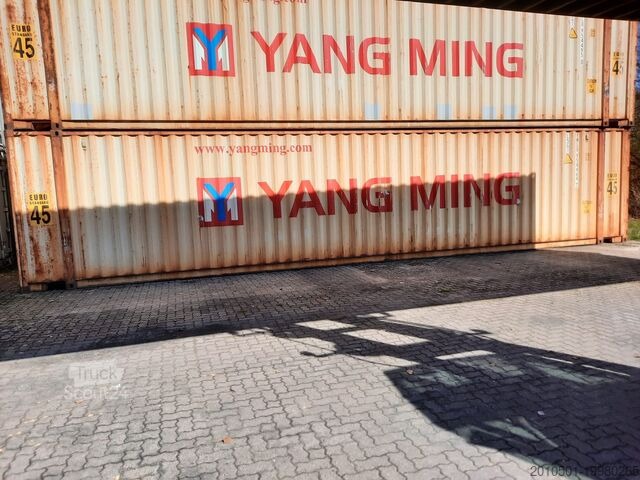
The Complete Guide to Buying 2nd‑Hand Shipping Containers for Sale
If you’re reading this, chances are you’re planning to turn a steel box into a storage hub, a pop‑up shop, a tiny home, or some other creative project. The market for second‑hand shipping containers has exploded in recent years, and you now have a wealth of options—different sizes, grades, and price points—all within reach. This guide walks you through everything you need to know before you click “Add to Cart,” from choosing the right container type to inspecting it for hidden damage.
1. Why Choose a Used Container?
| Benefit | How It Impacts You | Typical Savings |
|---|---|---|
| Lower Cost | You can acquire a solid 20‑ft or 40‑ft unit for a fraction of the price of a new one. | 30 %–60 % off new‑container price |
| Quick Availability | Most used containers sit in local yards, meaning you can often pick one up within days rather than weeks. | Up to 2‑week lead time |
| Sustainability | Re‑using a container reduces steel production emissions and keeps the steel market circular. | Approx. 1 ton CO₂ saved per container |
| Versatility | Even older containers can be retrofitted—insulated, fitted with windows, or turned into offices. | No extra cost for raw steel |
If price, speed, or eco‑friendliness are high on your decision list, a 2nd‑hand container is a logical first stop.
2. Container Sizes & Dimensions at a Glance
| Size | External Length | External Width | External Height | Internal Volume (cu ft) | Typical Uses |
|---|---|---|---|---|---|
| 20‑ft Standard | 20’ 1.6″ | 8’ 0″ | 8’ 6″ | 1,172 | Small storage, workshops |
| 40‑ft Standard | 40’ 1.6″ | 8’ 0″ | 8’ 6″ | 2,390 | Larger inventory, pop‑up cafes |
| 20‑ft High‑Cube | 20’ 1.6″ | 8’ 0″ | 9’ 6″ | 1,320 | Additional headroom for standing |
| 40‑ft High‑Cube | 40’ 1.6″ | 8’ 0″ | 9’ 6″ | 2,700 | Offices, tiny homes, workshops |
All numbers are standard ISO specifications. Concrete dimensions can vary slightly due to manufacturer tolerances.
3. What “Condition Grade” Means
Most sellers rank used containers on a 1–4 scale (or sometimes 1–5). Here’s what each grade typically entails:
| Grade | Description | Ideal For |
|---|---|---|
| 1 – “As‑Is” | Heavy rust, dents, possible holes. May need major repairs before safe use. | Scrap yard, project where you’ll overhaul the shell anyway. |
| 2 – “Good” | Minor rust, a few dents, doors functional. Interior may need cleaning. | Storage, secondary workshop, short‑term use. |
| 3 – “Very Good” | Clean exterior, minor surface wear, fully functional doors and locks. | Retail pop‑ups, modular office space, hobbyist conversions. |
| 4 – “Excellent” | Near‑new appearance, no visible rust, fully sealed, often comes with a certificate of inspection. | High‑visibility projects, residential conversion, premium rental. |
When you browse 2nd‑hand shipping containers for sale, always ask the seller which grade they’re quoting and request photographs from multiple angles.
4. Key Inspection Checklist (Your 10‑Step Quick Test)
- Exterior Rust – Look for flaking or bubbling paint; deep rust may indicate structural compromise.
- Dents & Deformations – Check corners and sidewalls; large dents can weaken the frame.
- Door Alignment – Open and close both doors; they should glide smoothly without binding.
- Lock & Seal Integrity – Test the seals for water‑tightness and ensure locks turn easily.
- Floor Condition – Inspect for rot, punctures, or heavy corrosion; a solid floor is essential for load‑bearing.
- Roof Panels – Verify they are not warped; a sagging roof can lead to water pooling.
- Interior Cleanliness – Look for leftover cargo debris, oil stains, or hazardous residues.
- Certificate of Inspection (COI) – Some vendors provide a COI that details any known defects.
- Dimensions – Measure length, width, and height to confirm it matches the listed size.
- Transport Logistics – Check the container’s chassis condition if you’re buying a road‑ready unit.
Tick each box before you commit—otherwise you may end up spending more on repairs than you saved.
5. Where to Find 2nd‑Hand Containers
| Source | Pros | Cons | Typical Pricing (USD) |
|---|---|---|---|
| Local Container Yards | Immediate inspection, low delivery cost | Limited inventory, may require negotiation | $1,500–$3,500 (20‑ft) |
| Online Marketplaces (e.g., eBay, Craigslist) | Wide geographic reach, often competitive listings | Variable seller reliability, longer shipping | $1,800–$4,200 (20‑ft) |
| Specialist Dealers | Certified grades, optional modifications (ventilation, insulation) | Higher price, sometimes minimum order | $2,200–$4,800 (20‑ft) |
| Port Auctions | Bulk buying possibilities, often excellent condition | Requires transport logistics, auction fees | $1,300–$2,800 (20‑ft) |
| Industrial Recycling Companies | Access to badly damaged units for cheap projects | May need extensive refurbishment | $800–$2,200 (20‑ft) |
When you’re ready to act, start with local yards—this gives you a tactile feel for the container’s condition and lets you negotiate in person. If you can’t find a suitable unit nearby, broaden your search online but always request detailed photos, a COI, and preferably a short video walk‑through.
6. Calculating Total Cost of Ownership
Many buyers focus solely on the purchase price, yet the true cost includes several hidden components:
| Cost Component | Typical Range | How to Minimise |
|---|---|---|
| Purchase Price | $1,300–$4,800 | Shop multiple vendors, compare grades |
| Delivery / Transport | $200–$1,500 (depends on distance) | Consolidate trips, use a local yard |
| Modifications (insulation, doors, windows) | $500–$3,000 | Plan ahead, DIY where possible |
| Permits / Zoning | $0–$1,000 (local regulations) | Research local codes before purchase |
| Maintenance (paint, rust treatment) | $100–$500 per year | Apply protective coating early |
| Insurance | $100–$400 annually | Bundle with other assets for discounts |
Tip: Build a simple spreadsheet that adds each line item. When the total cost of a second‑hand container stays under 70 % of a brand‑new equivalent, you’ve likely made a sound financial decision.
7. DIY vs. Professional Conversion
Once the container arrives at your site, you’ll decide whether to modify it yourself or hire a professional. Below is a quick decision matrix:
| Factor | DIY (You) | Professional |
|---|---|---|
| Skill Level | Basic carpentry, welding, electrical | None required |
| Time | 2–6 weeks (depending on scope) | 1–3 weeks (fast‑track) |
| Cost | $500–$2,000 (materials only) | $1,500–$5,000 (labor + materials) |
| Quality Assurance | Variable (depends on your expertise) | Certified, warranty‑backed |
| Regulatory Compliance | You must handle permits | Contractor handles paperwork |
If your project is simple—like adding a lock, shelving, and a coat of paint—DIY can be rewarding and inexpensive. For more complex undertakings (e.g., installing electrical wiring, HVAC, or a full interior finish), a professional conversion service will save you headaches and ensure compliance.
8. Frequently Asked Questions (FAQ)
Q1: How long does a second‑hand container last?
A: With proper maintenance (regular rust treatment and roof inspections), a steel container can safely serve for 30–40 years. Even older units often outlive the building they replace.
Q2: Can I stack containers on top of each other?
A: Yes—standard 20‑ft and 40‑ft containers are engineered to be stacked up to four units high in a shipping yard. However, stacking on a private property may require reinforced foundations and engineering approval.
Q3: Are there any legal restrictions on placing a container on my property?
A: Zoning laws vary by municipality. Some jurisdictions treat a container as a temporary structure, while others require a building permit. Contact your local planning department before purchase.
Q4: Do used containers come with a warranty?
A: Most second‑hand sellers offer no formal warranty, but reputable dealers may provide a limited 30‑day guarantee covering major structural defects discovered after purchase.
Q5: How can I protect a container from rust once I own it?
A: Apply a marine‑grade epoxy primer followed by a protective polyurethane topcoat. Regularly wash away salt and moisture, especially if the container sits near the coast.
Q6: What’s the best way to transport a 40‑ft container to my site?
A: Hire a licensed container transport company equipped with a low‑boy trailer. Ensure the route can accommodate the container’s width (8 ft) and height (up to 9 ft 6 in for high‑cube) and check for bridge or over‑pass clearance.
Q7: Can I customize doors or add windows?
A: Absolutely. Most converters cut openings and weld in reinforced frames. For DIY work, use a metal cutting saw and welded steel brackets to maintain structural integrity.
Q8: Is a “dry‑van” the only type of container available?
A: No. Besides the standard dry‑van, you’ll find open‑top, flat‑rack, refrigerated (reefers), and specialty containers (e.g., for hazardous goods). Choose the type that matches your intended use.
Q9: How do I determine the load‑bearing capacity of a used container?
A: A standard 20‑ft container can hold up to 28,000 lb (≈ 12,700 kg) when evenly distributed. Verify the floor’s condition, as rusted or warped decks reduce capacity.
Q10: What are the environmental benefits of buying used containers?
A: Reusing a container avoids the energy‑intensive production of new steel, reduces landfill waste, and extends the lifespan of a durable asset. This translates to a measurable reduction in carbon emissions—often equivalent to planting several trees each year.
9. Quick‑Start Checklist for Your First Purchase
- Define Your Project – Size, usage, and required modifications.
- Set a Budget – Include purchase, transport, and conversion costs.
- Identify Local Yards – Call and ask for grade‑1–4 inventory.
- Inspect Visually – Use the 10‑step checklist above.
- Request Documentation – COI, title, and any previous repair records.
- Negotiate Price – Mention competing offers, ask for “as‑is” discounts on minor dents.
- Arrange Transport – Get quotes, verify insurance coverage.
- Plan Modifications – List needed upgrades (insulation, doors, windows).
- Check Permits – Submit plans to your local zoning office.
- Finalize Purchase – Sign a sales agreement that outlines condition, delivery date, and any warranties.
Follow these steps, and you’ll walk away with a container that’s ready to become the backbone of your vision—whether that’s a secure storage space, a mobile coffee shop, or a modern tiny home.
10. Final Thoughts
Choosing a 2nd‑hand shipping container isn’t just a cost‑saving tactic; it’s a strategic decision that blends affordability, speed, and sustainability. By understanding the different grades, inspecting for hidden damage, and accounting for the full cost of ownership, you empower yourself to make a purchase that serves your project for years to come.
Remember, the steel box you bring home today can be transformed into practically anything you imagine—provided you start with the right unit and treat it with the care it deserves. Happy hunting, and may your container journey be as sturdy and rewarding as the steel walls that hold it!