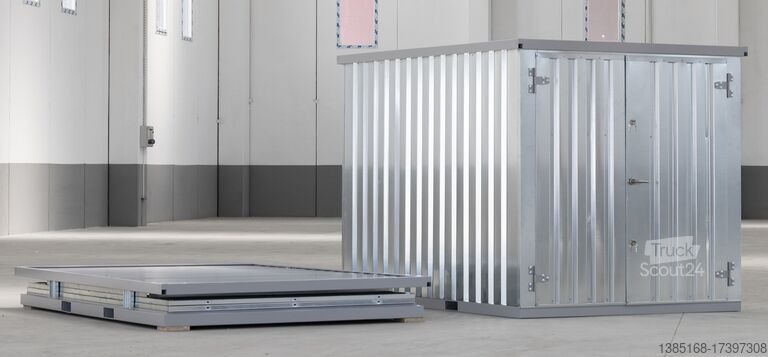
Shipping Container Homes: The Complete Guide for You
If you’ve ever dreamed of a modern, eco‑friendly dwelling that’s as bold as it is affordable, a shipping container home might be the answer. In this post you’ll learn everything you need to know—from the basics of a container’s dimensions to the nitty‑gritty of zoning permits, insulation choices, and budgeting. By the end, you’ll be equipped to decide whether a container‑based residence fits your lifestyle and how to turn that vision into reality.
1. Why Consider a Shipping Container Home?
| Factor | What It Means for You | Typical Impact |
|---|---|---|
| Affordability | A single 40‑ft container can cost $2,500‑$5,000 (new) or $1,200‑$2,500 (used). | Construction costs can be 30‑50 % lower than a conventional stick‑frame house of similar size. |
| Speed of Build | Most of the “shell” arrives on site ready to go. | Completion times range from 8 weeks (basic) to 4‑6 months (custom finishes). |
| Durability | Steel frames resist rot, termites, and fire. | Containers are designed for 20‑year ocean voyages—your home inherits that resilience. |
| Mobility | You can relocate the structure (subject to local regulations). | Ideal for remote sites, temporary offices, or “tiny‑home” enthusiasts. |
| Sustainability | Reusing a container reduces steel waste and carbon emissions. | Up to 80 % of the container’s embodied energy is saved compared with new construction. |
If any of these points resonate, it’s worth digging deeper.
2. Understanding the Basics: Container Types & Sizes
| Container Size | External Dimensions | Internal Volume | Typical Load Capacity |
|---|---|---|---|
| 20‑ft Standard | 20 ft × 8 ft × 8.5 ft (L × W × H) | ~1,170 ft³ | 23,000 lb (≈10 t) |
| 40‑ft Standard | 40 ft × 8 ft × 8.5 ft | ~2,340 ft³ | 26,000 lb |
| 40‑ft High‑Cube | 40 ft × 8 ft × 9.5 ft | ~2,700 ft³ | 26,000 lb |
| 45‑ft High‑Cube | 45 ft × 8 ft × 9.5 ft | ~3,000 ft³ | 26,000 lb |
What this means for you: A 40‑ft high‑cube gives you roughly 12 ft of usable interior height, which is ideal for lofts or taller rooms. You can stack or side‑by‑side multiple containers to reach your desired floor plan.
3. Planning Your Container Home – A Step‑by‑Step Checklist
- Define Your Vision
- Sketch a rough floor plan.
- Decide how many containers you need (e.g., 2 × 40‑ft for a 800 sq ft home).
- Check Zoning & Building Codes
- Contact your local planning department.
- Verify setbacks, height limits, and whether “modular” structures are permitted.
- Select the Right Container
- New vs. used: New offers pristine condition, used is cheaper but may have dents.
- Look for “one‑trip” containers (used only once) to minimize wear.
- Budget & Financing
- Container cost: $2,500–$5,000 (new) / $1,200–$2,500 (used).
- Foundation: $5,000–$10,000 depending on slab, pier, or crawl‑space.
- Insulation & interior finish: $30–$70 / sq ft.
- Design for Structural Integrity
- Reinforce openings (doors/windows) with steel frames.
- If stacking, add weld plates or “splice plates” to join containers securely.
- Choose an Insulation System (see table below).
- Plan Utilities
- Electrical: Run conduit through the steel frame.
- Plumbing: Allocate space for wet walls; consider a “wet core” where pipes run vertically.
- Hire Professionals
- Structural engineer (optional but recommended).
- Contractor experienced in metal building.
- Obtain Permits
- Submit plans, structural calculations, and energy compliance documents.
- Construction & Interior Fit‑Out
- Deliver containers, set foundation, weld & seal, insulate, finish interior.
4. Insulation Options – Which Is Right for You?
| Insulation Type | R‑Value (per inch) | Pros | Cons | Typical Installation Cost |
|---|---|---|---|---|
| Spray Foam (Closed‑Cell) | 6‑7 | Excellent air barrier, high moisture resistance, adds structural strength. | Higher material cost; requires professional installer. | $3.50‑$4.50 / sq ft |
| Rigid Foam (XPS/ISO) | 5‑5.5 | Flat panels easy to attach, good moisture resistance. | Needs a vapor barrier; seams must be tightly sealed. | $2.50‑$3.00 / sq ft |
| Mineral Wool (Rockwool) | 3.5‑4.2 | Fire‑resistant, sound‑absorbing, breathable. | Bulkier; may require additional interior framing. | $2.00‑$2.80 / sq ft |
| Reflective/ radiant barrier | ~1 (adds to other layers) | Ideal for hot climates when combined with other insulation. | Not sufficient on its own. | $0.80‑$1.20 / sq ft |
Quick tip: For most temperate climates, a combination of 2‑inch rigid foam on the exterior plus a 1‑inch interior layer of mineral wool offers a balanced R‑value while keeping interior space usable.
5. Design Ideas to Inspire You
- Loft‑Style Studio: Use a single 40‑ft high‑cube, cut a large opening for a mezzanine bedroom, and install a skylight on the roof.
- Family Home: Pair two 40‑ft containers side‑by‑side, carve out an open‑plan kitchen/dining area in the middle, and add a third container as a garage or guest suite.
- Eco‑Cabin: Stack a 20‑ft and a 40‑ft container to create a two‑story “treehouse” on a hillside, with a green roof on the top level for rainwater harvesting.
6. Cost Breakdown – Realistic Numbers for a 800 sq ft Home
| Item | Estimated Cost | Notes |
|---|---|---|
| Containers (2 × 40‑ft) | $6,000 – $10,000 | New vs. used price spread |
| Foundation (concrete slab) | $7,000 – $12,000 | Depends on soil prep |
| Structural Reinforcement & Welding | $3,000 – $5,000 | Includes cuts for doors/windows |
| Insulation (spray foam) | $5,600 – $7,200 | 2‑inch XPS + 1‑inch mineral wool alternative |
| Interior Finish (drywall, flooring, kitchen & bathroom) | $12,000 – $20,000 | Varies with material quality |
| Electrical & Plumbing | $8,000 – $12,000 | Professional installation required |
| Permits & Engineering | $2,000 – $4,000 | Varies by jurisdiction |
| Total Approx. | $43,600 – $70,200 | 800 sq ft, mid‑range finishes |
Bottom line for you: Even at the high‑end, you’re still looking at roughly half the cost of a comparable traditional build.
7. Common Mistakes & How to Avoid Them
- Skipping Structural Review – Cutting too many large openings without reinforcement can compromise integrity. Hire a structural engineer or use proven design templates.
- Under‑Insulating – Steel conducts heat; insufficient insulation leads to high heating/cooling bills and condensation. Aim for at least R‑20 for walls in most climates.
- Neglecting Moisture Barriers – Water can seep through seams. Use high‑quality sealants, vapor barriers, and consider a rain‑screen system on the exterior.
- Overlooking Local Regulations – Some municipalities treat containers as “temporary” structures and may refuse permits. Early communication prevents costly redesigns.
8. Frequently Asked Questions (FAQ)
Q1: Do I need a special foundation for a container home?
A: Not necessarily. A simple concrete slab or pier system often suffices, but the foundation must support the container’s weight and any additional loads (e.g., second story). The key is a level, stable base that meets local code.
Q2: Can I move my container home after it’s built?
A: Yes, you can relocate a finished container home, but you’ll need a transport plan, permits, and possibly new utility connections at the destination. Structural modifications (e.g., interior walls) may also need to be reinforced for repeated moves.
Q3: How long does a container last?
A: Properly maintained, a steel container can exceed 50 years. Corrosion protection (galvanized paint, proper drainage) and regular inspections are essential.
Q4: Is a container home safe in earthquakes?
A: Steel frames are inherently strong and can perform well in seismic events when anchored correctly. Follow local seismic standards and consider additional bracing if you’re in a high‑risk zone.
Q5: What about resale value?
A: While the market is still emerging, well‑designed container homes in desirable locations can fetch comparable prices to traditional homes of similar size, especially as sustainability becomes a selling point.
Q6: Can I install solar panels on a container roof?
A: Absolutely. The flat roof is ideal for mounting photovoltaic panels. Remember to reinforce the roof studs to support the added weight.
Q7: Are there any health concerns with the steel?
A: Modern containers are coated with anti‑corrosive paint that is generally safe. If you’re repurposing an old container, test for hazardous residues (e.g., lead‑based paint) and re‑coat if necessary.
9. Final Thoughts – Is a Shipping Container Home Right for You?
You’ve now walked through the entire journey: from understanding container dimensions to budgeting, insulation choices, and navigating permits. The key takeaways are:
- Affordability & Speed: A container home can be built faster and cheaper than a conventional house.
- Design Flexibility: By stacking, side‑by‑side, or cutting containers, you can achieve a variety of floor plans.
- Sustainability: You’ll be re‑using a product that would otherwise sit in a scrapyard, reducing your carbon footprint.
If you value a modern aesthetic, want to reduce construction waste, and are comfortable managing a slightly unconventional building process, the container home is a compelling option.
Next step? Sketch that floor plan, contact your local planning office, and start sourcing a container. The steel shell is waiting—now it’s your turn to turn it into a home that reflects your vision.
Happy building!