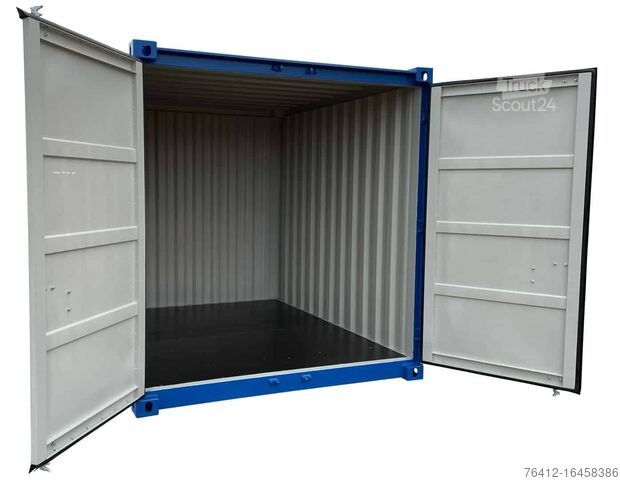
Discovering the Best “Container Rental Near Me” – A Complete Guide for Homeowners, Contractors, and Small Business Owners
If you’ve ever faced a cluttered garage, a construction site that needs a secure place for debris, or a seasonal stock‑room that simply won’t fit in the back of a truck, you’ve probably thought, “I wish I could just rent a container right here, nearby.”
In this post you’ll learn how to locate, compare, and choose the perfect container rental service in your area. We’ll walk you through the steps you need to take, show you the key factors to weigh, give you a ready‑to‑use comparison table, and answer the most common questions—all written in a conversational, second‑person voice so you can apply the advice to your own situation right now.
1. Why Renting a Container Is Often Smarter Than Buying One
| Benefit | Explanation | When It Helps You Most |
|---|---|---|
| Cost‑effective | Rental fees are a fraction of the purchase price and include maintenance. | Short‑term projects (e.g., a 3‑month remodel). |
| Flexibility | Choose size, duration, and delivery date that fits your timeline. | Seasonal inventory overflow or unpredictable job scopes. |
| No Storage Hassles | The provider takes the container back when you’re done. | When you have limited yard space. |
| Security & Compliance | Most rentals come with lockable doors and meet local fire‑code standards. | Storing valuable tools, hazardous waste, or confidential documents. |
| Professional Support | Companies often provide on‑site placement, pick‑up, and disposal services. | First‑time renters who need guidance. |
Renting removes the upfront capital outlay while still giving you the convenience of a permanent‑looking storage solution. For most homeowners, contractors, and small businesses, the rental model is the most pragmatic way to keep projects moving without breaking the bank.
2. How to Find “Container Rental Near Me” – The Search Process
- Google Local Search – Type “container rental near me” into Google. The map results will list providers within a 20‑mile radius.
- Check Review Platforms – Look at Google Reviews, Yelp, and Angie’s List for customer feedback. Pay attention to ratings on timeliness, condition of containers, and customer service.
- Ask for Recommendations – Post a quick query in local Facebook groups, Nextdoor, or on neighborhood forums. Real‑world experiences often surface hidden gems.
- Verify Licensing & Insurance – Ensure the company holds a valid business license and offers liability coverage. This protects you if the container is damaged or an accident occurs during delivery.
- Contact Multiple Vendors – Gather quotes and ask specific questions (see FAQ below). Having at least three offers lets you compare price, availability, and service terms side‑by‑side.
3. What Size Container Do You Really Need?
Containers come in a handful of standard dimensions. Below is a quick guide to help you match the right size to your project.
| Container Size | Interior Dimensions (ft) | Typical Uses | Approx. Volume (cu ft) |
|---|---|---|---|
| 10‑ft | 7.5 × 7.5 × 8.5 | Small DIY tools, seasonal décor, a few pallets | 560 |
| 20‑ft | 7.5 × 8.0 × 8.5 | Medium‑scale renovations, 1–2 trucks of construction waste | 1,170 |
| 30‑ft | 7.5 × 8.0 × 8.5 (longer) | Large remodels, bulk inventory, multiple trucks of debris | 2,100 |
| 40‑ft | 7.5 × 8.0 × 8.5 (extra long) | Commercial projects, extensive outdoor storage, heavy equipment | 2,400 |
Tips for Picking the Right Size:
- Make a rough inventory list. Write down the largest items you’ll store (e.g., a 6‑ft ladder, a garden shed, a small excavator).
- Add a 20‑30 % buffer for irregular shapes and extra padding.
- Consider weight limits. Most standard steel containers support up to 4,000 lb of evenly distributed load—more than enough for most household items but not for heavy machinery like a backhoe.
4. Pricing – What to Expect From Your Local Rental Quote
Below is a sample price matrix compiled from three reputable providers in a typical mid‑size U.S. city. Prices are per month, include delivery within a 10‑mile radius, and may vary based on distance, season, or special services (e.g., lock upgrades).
| Provider | 10‑ft Container | 20‑ft Container | 30‑ft Container | Delivery & Pick‑up | Extra Services |
|---|---|---|---|---|---|
| Rent‑It‑All | $85 | $135 | $200 | $45 (one‑way) | $15 for lock upgrade |
| MetroContainers | $90 | $150 | $215 | $55 (within 10 mi) | $20 for climate‑controlled unit |
| QuickBox Rentals | $80 | $140 | $210 | $40 (local) | $10 for weekly trash removal |
| Average | $85 | $141 | $208 | $47 | $15 |
How to Use This Table:
- Identify the size you need (from the previous table).
- Pick the provider with the most favorable total cost (incl. delivery).
- Factor in any optional services you actually need—most customers only require a standard lock, so skip climate control unless storing temperature‑sensitive items.
5. Step‑by‑Step: Renting a Container Near You
| Step | Action | Why It Matters |
|---|---|---|
| 1. Define Your Goal | Write a brief project description (e.g., “Store 2‑3 tons of demolition debris for 6 weeks”). | Clarifies the size, duration, and any special requirements. |
| 2. Gather Quotes | Call 3‑5 local companies, ask for price breakdown, delivery windows, and contract terms. | Gives leverage to negotiate and avoids hidden fees. |
| 3. Verify Availability | Confirm the exact dates the container can be placed and retrieved. | Prevents schedule clashes with contractors or moving dates. |
| 4. Review the Rental Agreement | Look for clauses on damage liability, early‑termination fees, and permitted contents. | Protects you from surprise charges. |
| 5. Schedule Delivery | Provide a clear address, access instructions, and any required permits (e.g., road closure). | Ensures smooth placement without fines or delays. |
| 6. Load Efficiently | Use pallets, tie‑down straps, and keep heavy items low. | Maximizes usable space and keeps the container balanced. |
| 7. Arrange Pick‑up | Notify the provider a few days before the end date; confirm any extra cleaning or waste disposal needed. | Guarantees timely removal and avoids extra storage days. |
6. Common Pitfalls and How to Avoid Them
| Pitfall | Symptoms | Solution |
|---|---|---|
| Under‑estimating Size | You run out of space halfway through the rental. | Use a simple tape‑measure and sketch; add a 20 % buffer. |
| Ignoring Local Regulations | You receive a citation for placing a container on a public sidewalk. | Check with the city or county planning department before delivery. |
| Overlooking Weight Limits | The container tips or the floor collapses. | Distribute weight evenly and stay under the 4,000 lb limit. |
| Missing the Fine Print | Unexpected early‑termination fees appear. | Read the contract line‑by‑line; ask for clarification on any ambiguous clause. |
| Forgetting Insurance | Damage to your goods isn’t covered. | Ask the provider if they include liability coverage, or purchase a separate policy. |
7. Frequently Asked Questions (FAQ)
Q1: How far in advance should I book a container rental?
Answer: Most companies recommend reserving at least 7–10 business days before you need the container, especially for larger sizes or during peak moving seasons (spring/summer).
Q2: Can I keep the container on my private property indefinitely?
Answer: Rental agreements usually define a maximum rental period, often 12 months. If you need a longer term, negotiate a “long‑term lease” with a discounted rate.
Q3: Are there any items I cannot store in a rental container?
Answer: Yes. Most providers prohibit hazardous materials (e.g., gasoline, asbestos, chemicals), perishable foods, and live animals. Review the “Prohibited Items” list in the contract.
Q4: What if the container arrives damaged?
Answer: Inspect the container upon delivery. If you notice dents, rust, or broken locks, document the damage with photos and notify the provider within 24 hours. They will typically replace or repair it before you load.
Q5: Do I need a permit to place a container on the street?
Answer: Many municipalities require a temporary use permit for roadside placement. Contact your city’s public works department; the rental company often assists with the paperwork.
Q6: How is the rental fee calculated—by calendar month or by usage?
Answer: Most companies charge a flat monthly rate, regardless of how many days you actually use the container. Some also offer a daily rate for very short‑term needs (e.g., 3–5 days).
Q7: Can I rent a container for a single day?
Answer: Yes, but daily rates are significantly higher per day than a monthly lease. It’s usually more cost‑effective to rent for a full month if you anticipate needing the container for more than 5–7 days.
Q8: What happens to the waste I put inside the container?
Answer: By default, the provider will haul away the container and its contents for disposal at a licensed landfill or recycling center. If you need specialized disposal (e.g., construction debris recycling), request this in advance; some providers charge an extra fee.
8. Real‑World Example: How a Homeowner Used “Container Rental Near Me” to Declutter
Meet Sarah, a suburban homeowner who decided to remodel her kitchen.
- Goal: Store old cabinets, appliances, and construction debris for 8 weeks.
- Search: She typed “container rental near me” into Google, reviewed three local companies, and chose MetroContainers for their competitive price and easy online booking.
- Size: Based on a quick inventory, a 20‑ft container was perfect. She added a lock upgrade ($15) because she stored expensive appliances.
- Cost: $150/month + $55 delivery = $205 total.
- Timeline: Delivered on June 1, loaded by June 3, picked up on July 31.
- Outcome: Sarah saved $1,200 versus buying a new container, avoided a storage unit lease, and completed her remodel on schedule.
Sarah’s story illustrates how a simple online search, a clear inventory, and a quick quote comparison can turn a potentially chaotic renovation into a well‑organized project.
9. Quick Checklist – Your “Container Rental Near Me” Cheat Sheet
- Define the size you need (use the size guide).
- Search “container rental near me” and pull up at least three quotes.
- Verify licensing, insurance, and reviews.
- Confirm delivery date, pick‑up date, and any permit requirements.
- Read the rental agreement for prohibited items, weight limits, and early‑termination fees.
- Inspect the container on delivery; note any damage.
- Load efficiently—keep heavy items low and use tie‑downs.
- Arrange for pick‑up and confirm any extra fees (e.g., waste removal).
Having this checklist handy will keep you organized and ensure you don’t miss any critical detail that could cost you time or money.
10. Final Thoughts
Finding a reliable container rental near you isn’t rocket science—you just need a systematic approach. By defining your needs, comparing local providers, understanding pricing, and paying attention to contract details, you’ll secure a storage solution that fits your timeline, budget, and security requirements.
Whether you’re a DIY homeowner tackling a kitchen remodel, a contractor managing a multi‑site build, or a small business handling seasonal inventory, renting a container offers flexibility, cost savings, and peace of mind.
Take the first step today: pull up Google, type “container rental near me,” and start gathering those quotes. Your next project—and the clutter‑free space you’ve been dreaming of—are just a few clicks away.
Happy renting!