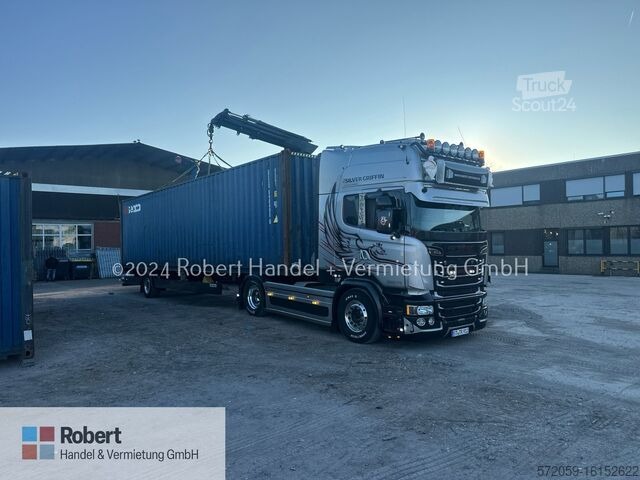
The Ultimate Guide to Renting Storage Containers
Whether you’re downsizing, moving across the country, or simply need a secure place for seasonal gear, renting a storage container can be the most practical solution. Unlike traditional self‑storage units, containers give you a portable, weather‑proof space that you can keep on your property or have delivered to a secure yard. In this guide you’ll discover everything you need to know to choose the right container, negotiate the best price, and protect your belongings while they’re stored.
1. Why Choose a Storage Container Over a Conventional Storage Unit?
| Feature | Storage Container | Traditional Self‑Storage Unit |
|---|---|---|
| Portability | You can have it delivered, moved, or even placed on a trailer. | Fixed location; you must drive to the facility each visit. |
| Weather Protection | 100 % steel, sealed doors, and optional insulation. | Varies; many units are climate‑controlled but not always insulated. |
| Security | High‑strength lock, steel frame, optional alarm system. | Gate access, CCTV, and onsite staff; may feel less private. |
| Cost Structure | Daily, weekly, or monthly rates; often lower for longer terms. | Typically monthly; fees for access, insurance, and climate control add up. |
| Accessibility | Open 24/7 at your own site (subject to local regulations). | Facility hours may limit when you can retrieve items. |
| Space Flexibility | Choose from 10‑ft to 40‑ft containers; combine multiple units. | Unit size limited to what the facility offers. |
If you value flexibility and control, a rental container often beats a traditional unit hands down. The next sections walk you through the decision‑making process step‑by‑step.
2. How to Pick the Right Container Size
Before you call a provider, estimate the volume of items you plan to store. Below is a quick reference chart:
| Container Length (ft) | Approx. Interior Volume (cu ft) | Typical Use Cases |
|---|---|---|
| 10 | 600 | Small furniture, boxes, seasonal gear |
| 20 | 1,200 | One‑bedroom apartment, office supplies, lawn equipment |
| 30 | 1,800 | Two‑bedroom home contents, small workshop tools |
| 40 | 2,400 | Whole‑house move, large inventory, construction materials |
Tip: Add a 10‑15 % buffer for packing material, odd‑shaped items, and future acquisitions. Most rental companies will let you upgrade to a larger container mid‑term without penalty.
3. Key Factors to Evaluate When Renting
3.1 Security & Access
- Lock type – Look for a padlock with a hardened steel shackle or an integrated key‑card system.
- Seal integrity – A rubber gasket around the door prevents water ingress and tampering.
- Location security – If you park the container on your property, install motion‑sensor lights and a lockable gate.
3.2 Climate & Insulation
- Standard steel containers protect against rain and wind but can become hot or cold.
- Insulated containers (often with 2‑inch foam panels) maintain a more stable temperature—ideal for electronics, artwork, or temperature‑sensitive inventory.
3.3 Delivery & Placement
- Delivery fee – Most companies charge a flat rate for up to 20 miles; beyond that you may pay per mile.
- Placement restrictions – Check local zoning laws. Some municipalities require a permit for a container larger than 20 ft.
3.4 Rental Terms & Pricing
| Rental Period | Typical Discount | When It Makes Sense |
|---|---|---|
| Day‑to‑Day | None | Short‑term moves, project sites |
| Weekly | 5‑10 % off daily rate | Seasonal storage (e.g., ski gear) |
| Monthly | 15‑20 % off weekly rate | Long‑term relocations, business inventory |
| Quarterly/Annual | Up to 30 % off monthly rate | Very long‑term storage, bulk discounts |
Ask the provider for a written quote that breaks down delivery, container size, insurance, and any ancillary fees (e.g., lock purchase, placement equipment).
4. Step‑by‑Step Process to Rent Your First Container
- Inventory your items – Write down each category (furniture, boxes, equipment) and approximate dimensions.
- Select a size – Use the volume chart above; remember to factor in a safety margin.
- Request quotes – Contact at least three local rental companies. Keep a spreadsheet to compare cost, delivery distance, and included services.
- Inspect the container – Before signing, ask to see the interior. Look for rust, dents, and the condition of the door seal.
- Arrange delivery – Confirm the delivery date, ground conditions (e.g., gravel vs. concrete), and any required permits.
- Pack smart – Load heavier items at the bottom, keep a clear aisle for access, and use pallets or shelf units to protect against moisture.
- Secure the container – Install the lock, write down the combination, and take a photo of the sealed door for your records.
- Set up insurance – Most rental companies require you to have coverage; you can often add it through the provider or use your homeowner’s policy.
5. Common Pitfalls and How to Avoid Them
| Pitfall | Why It Happens | How to Prevent It |
|---|---|---|
| Under‑estimating volume | Forgetting about oddly‑shaped items or packing material. | Use a cardboard box calculator or measure each piece before adding up. |
| Skipping insurance | Believing the container itself is enough protection. | Verify coverage limits and deductibles; keep receipts for high‑value items. |
| Improper placement | Parking on uneven ground leads to water pooling. | Level the site, add a gravel base, and tilt the door slightly upward if possible. |
| Neglecting ventilation | Sealed containers can trap moisture, causing mold. | Use breathable packing material and consider a small vent if storing for >6 months. |
| Missing the permit deadline | Local authorities require paperwork weeks in advance. | Call the city planning office as soon as you decide on container size. |
6. Frequently Asked Questions
Q1: How long can I keep a container on my property?
A: Most rental agreements allow indefinite storage as long as you continue paying the monthly fee and maintain the container in good condition. Some companies impose a maximum term of 12‑24 months; confirm this before signing.
Q2: Do I need a special permit to place a container on my driveway?
A: It depends on local zoning. Many residential areas permit containers up to 20 ft without a permit, while larger units (30‑40 ft) often require a temporary use permit. Check with your city’s building department.
Q3: Can I move the container myself?
A: For safety and warranty reasons, most providers advise against moving the container without professional equipment. However, you can arrange on‑site relocation for a modest fee if you need to shift it within the same lot.
Q4: What if I need the container earlier than the contract end date?
A: Most rentals are month‑to‑month after the initial term, allowing you to return the container with a 30‑day notice. Early termination fees are usually limited to covering delivery and pickup costs.
Q5: Is there a difference between a “cargo container” and a “storage container”?
A: Functionally they are the same steel box. A cargo container is typically ISO‑standardized for shipping, while a storage container may have added features such as ventilation, internal shelving, or insulation.
7. Quick‑Start Checklist
- Calculate total cubic footage of items.
- Choose container size based on the volume chart.
- Request three quotes and record them in a comparison table.
- Verify insurance coverage and add-on options.
- Schedule delivery and any necessary permits.
- Prepare the site (level ground, clear access).
- Pack efficiently (heavy items bottom, label boxes).
- Lock and seal the container; keep the combination safe.
- Set calendar reminders for payment and renewal dates.
8. Bottom Line – Is Renting a Storage Container Right for You?
If you value mobility, direct access, and a cost‑effective alternative to traditional storage facilities, a rental container checks all the boxes. By following the steps above, you’ll secure a container that fits your space, budget, and security expectations—while avoiding common headaches like surprise fees or moisture damage.
Remember, the key to a smooth storage experience is planning ahead. Use the tables, lists, and FAQ sections in this guide as a roadmap, and you’ll have peace of mind knowing your belongings are safely housed, whether they’re waiting for a new home, a seasonal change, or the next big project.
Happy storing!