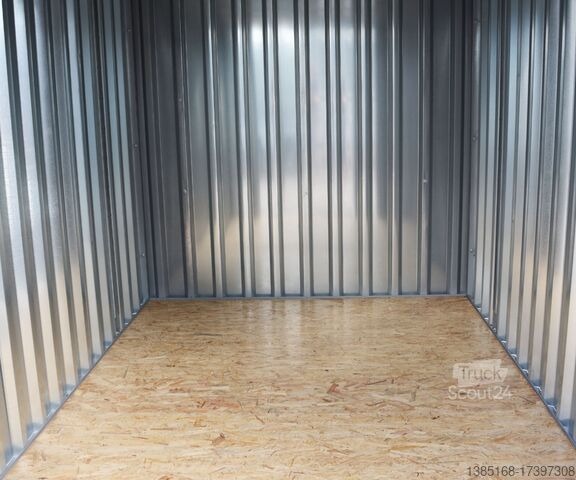
Shipping Container Houses in the UK: A Practical, Stylish, and Sustainable Way to Live
If you’re looking for a modern home that blends affordability, speed of construction, and a bold aesthetic, a shipping container house could be the answer. Over the past decade, the UK market has seen a surge in container‑based dwellings—from compact studio apartments in city centres to sprawling family homes in the countryside. In this guide you’ll discover what a shipping container house is, how it works in the UK, the real costs involved, the steps you need to take, and the most common questions people ask before they commit.
1. Why Consider a Shipping Container House?
| Benefit | What It Means for You |
|---|---|
| Speed of construction | A typical 20‑ft container can be turned into a livable space in 6‑12 weeks, far quicker than a brick‑and‑mortar build. |
| Lower carbon footprint | Re‑using steel containers reduces the need for new building materials and cuts embodied carbon by up to 60 %. |
| Modular flexibility | You can start with a single unit and later stack or join additional containers as your family grows. |
| Cost‑effective | Average per‑square‑metre cost is between £1,200‑£1,800, compared with £1,800‑£3,000 for a conventional home. |
| Unique design potential | The industrial aesthetic can be softened with timber cladding, glazing, or green roofs—perfect for a contemporary lifestyle. |
| Transportability | If you ever need to relocate, the home can be moved (subject to planning consent) with a crane and lorry. |
These advantages make container houses particularly appealing if you’re a first‑time buyer, an eco‑conscious homeowner, or someone seeking a rapid, budget‑friendly build.
2. Understanding the Legal Landscape
Before you start visualising the perfect lofted living room, you must navigate the UK’s planning framework.
| Regulation | Implication for Your Project |
|---|---|
| Planning Permission | Most new builds require it. However, many small‑scale container homes (under 15 m²) qualify for Permitted Development if they meet specific criteria. |
| Building Regulations | Structural integrity, fire safety, insulation, ventilation, and energy performance must all be certified. |
| Land Use & Covenants | Check the title register to ensure the plot isn’t restricted (e.g., “no mobile homes”). |
| Listed Buildings & Conservation Areas | Extra scrutiny applies; you may need heritage consent. |
| Domestic Rental Regulations (if you plan to let) | The home must meet the Housing Health and Safety Rating System (HHSRS) standards. |
Tip: Engage a planning consultant early. They can produce a concise application that demonstrates compliance, dramatically increasing the chance of approval.
3. From Container to Home: Step‑by‑Step Process
Below is a practical roadmap you can follow. Each stage includes key actions, typical timelines, and who normally handles the work.
| Stage | Key Actions | Typical Timeframe | Who’s Involved |
|---|---|---|---|
| 1. Site Selection & Survey | Choose a plot, conduct a top‑soil test, check utilities access. | 2‑4 weeks | You + Land Surveyor |
| 2. Planning Application | Prepare drawings, submit to local council, respond to comments. | 6‑12 weeks (varies by authority) | Planning Consultant + Architect |
| 3. Design Development | Finalise floor plan, decide on number of containers, internal layout, façade treatment. | 3‑6 weeks | Architect / Designer |
| 4. Procurement of Containers | Source ISO‑certified, rust‑free 20‑ft or 40‑ft units; arrange delivery. | 2‑4 weeks | Supplier / Logistics Co. |
| 5. Site Preparation | Groundworks, foundations (pad or concrete slab), utilities trenching. | 3‑5 weeks | Contractor |
| 6. Structural Modification | Cutting for doors/windows, reinforcement, welding containers together. | 2‑4 weeks | Steelwork Specialist |
| 7. Insulation & Cladding | Install spray‑foam, rigid board, or mineral wool; apply external cladding. | 3‑5 weeks | Builder / Insulation Contractor |
| 8. Services Installation | Electrical, plumbing, HVAC, solar PV (if desired). | 4‑6 weeks | Trade specialists |
| 9. Interior Fit‑Out | Partition walls, flooring, kitchen, bathroom, finishes. | 6‑8 weeks | Fit‑out Contractor |
| 10. Certification & Handover | Building control sign‑off, final inspection, snagging list. | 1‑2 weeks | Building Control Officer |
| Total | – | ~30‑45 weeks (≈ 7‑10 months) | – |
Remember: The timeline can shrink dramatically if you use a specialist container‑home company that bundles many of these services under one contract.
4. Realistic Cost Breakdown
Cost is often the deciding factor. Below is a typical budget for a two‑bedroom, 60 m² container home built on a modest plot in the Midlands. Prices are illustrative; actual costs will vary by region and specification.
| Item | Average Cost (£) | % of Total Budget |
|---|---|---|
| Land acquisition (per plot) | 30,000 – 50,000 | 20‑30 % |
| Planning & professional fees (architect, consultant) | 8,000 – 12,000 | 5‑8 % |
| Containers (2×40 ft, pre‑treated) | 15,000 – 20,000 | 10‑15 % |
| Foundations & groundworks | 7,000 – 10,000 | 5‑7 % |
| Structural modifications (cutting, welding) | 5,000 – 8,000 | 3‑5 % |
| Insulation & external cladding | 9,000 – 12,000 | 6‑9 % |
| Services (electrical, plumbing, heating) | 12,000 – 18,000 | 8‑12 % |
| Interior fit‑out (kitchen, bathroom, flooring) | 15,000 – 22,000 | 10‑15 % |
| Contingency (10 % of total) | 8,000 – 12,000 | 5‑8 % |
| Total Approx. | £104,000 – £159,000 | 100 % |
How to keep costs down:
- Standard‑size containers – avoid custom dimensions.
- Self‑install the interior – if you’re handy, you can finish the fit‑out yourself.
- Re‑use existing utilities – connect to nearby mains instead of extending long runs.
5. Design Ideas to Inspire Your Container Home
A shipping container is a blank canvas. Here are five design directions that work particularly well in the UK climate and lifestyle.
| Style | Key Features | Why It Works in the UK |
|---|---|---|
| Scandinavian Minimalist | Light timber panels, large double‑glazed windows, monochrome palette. | Maximises natural light in often‑grey weather; creates a warm, cozy interior. |
| Eco‑Green Roof | Living roof with sedum, rainwater harvesting tanks, solar PV. | Enhances insulation, reduces rain runoff, aligns with the UK’s sustainability targets. |
| Industrial Chic | Exposed steel, reclaimed brick, polished concrete floors. | Celebrates the container’s origins while meeting fire‑safety regulations. |
| Rural Barn Conversion | Timber cladding, pitched roof extensions, loft bedroom. | Blends harmoniously with pastoral surroundings and planning committees favour traditional aesthetics. |
| Urban Micro‑Apartment | Open‑plan living area, lofted sleeping pod, mezzanine balcony. | Ideal for city sites where footprint is limited but vertical space is abundant. |
Pro tip: Adding a small awnings or pergola to the façade not only provides shade in summer but also creates an inviting entrance that softens the stark metal look.
6. Sustainability and Energy Efficiency
A container home can be a low‑impact dwelling if you take a few purposeful steps:
- Insulation – Install high‑performance spray‑foam or PIR board to achieve a U‑value below 0.18 W/m²K.
- Triple‑Glazed Windows – Minimises heat loss and reduces condensation.
- Renewable Energy – Roof‑mounted solar panels (average 3 kW) can cover up to 70 % of electricity needs.
- Heat Recovery Ventilation (HRV) – Guarantees fresh air without sacrificing thermal efficiency.
- Water‑Saving Fixtures – Dual‑flush toilets, low‑flow taps, and a grey‑water system for garden irrigation.
The Home Energy Rating (HER) for a well‑designed container house typically lands in the A‑B range, making it eligible for many local council green‑home grants.
7. Frequently Asked Questions
| Question | Answer |
|---|---|
| Do I need planning permission for a container house? | Most new builds require it, but a single‑storey container under 15 m² may be covered by Permitted Development if it meets height and usage criteria. Always check with your local council. |
| Is a container home safe in terms of fire safety? | Yes, provided you use fire‑rated cladding, install smoke alarms, and follow Building Regulations Part B. Structural steel is non‑combustible; the main concern is interior finishes. |
| Can I connect to existing mains utilities? | Absolutely. You’ll need a qualified electrician and plumber to make the connections, and the local utility companies may charge a connection fee. |
| What is the typical lifespan of a container house? | With proper maintenance (corrosion protection, regular roof checks) a container house can easily last 50‑70 years, similar to conventional builds. |
| Are there finance options specifically for container homes? | Some specialist lenders and building societies offer self‑build mortgages that cover container projects. You may also qualify for the UK government’s Help to Buy scheme if the property meets eligibility. |
| Do I need a warranty? | A 10‑year structural warranty is common when you purchase from a reputable container‑home manufacturer. For self‑built projects, you can arrange a new‑home warranty via third‑party providers. |
| Can I add extensions later? | Yes! The modular nature means you can stack additional containers or add a timber‑frame wing without major disruption, subject to planning approval. |
| How much does it cost to move a completed container house? | Roughly £5,000‑£10,000 for a 40‑ft unit, depending on distance and road‑access restrictions. Planning consent will be needed for the new site. |
| Is the interior temperature comfortable? | Proper insulation and HVAC (air‑source heat pump is popular) keep the home warm in winter and cool in summer. |
| What are the most common pitfalls? | Under‑estimating foundation costs, overlooking local planning nuances, and skimping on insulation which leads to condensation. |
8. Final Thoughts – Is a Shipping Container House Right for You?
If you’ve read this far, you’re clearly serious about exploring a container‑based dwelling. The UK market now has a mature ecosystem of suppliers, architects, and finance partners that can guide you from concept to completion.
Ask yourself these three quick questions:
- Budget: Are you prepared for a £100k‑£160k investment, including land and contingency?
- Timeline: Do you need a home ready within a year? Container builds can deliver that speed.
- Aesthetic & Lifestyle: Does the industrial, modular look excite you, or would you prefer a more traditional façade? Remember, cladding and extensions can transform the look dramatically.
When the answer is yes to most of these, a shipping container house isn’t just a novelty—it’s a viable, future‑proof way to own a home that reflects your values of sustainability, efficiency, and design daringness.
Ready to take the next step?
Start by sketching a rough floor plan, locate a suitable plot, and reach out to a local planning consultant. In the UK, the road to your container home is well‑marked—now it’s up to you to walk it.
Happy building, and may your new container home be a beacon of modern living on British soil!