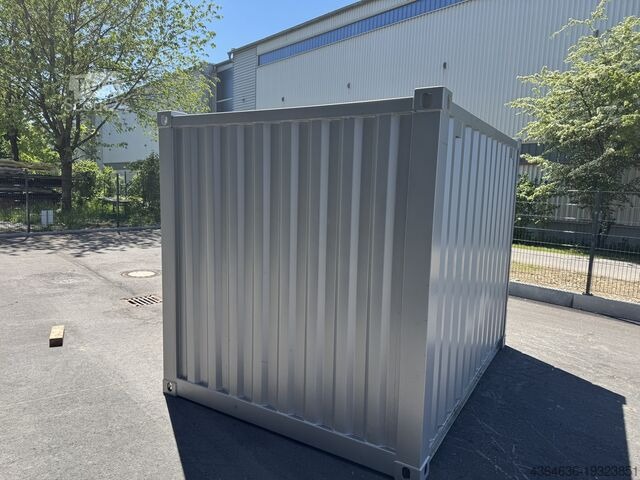
How to Buy a Shipping Container: A Step‑by‑Step Guide for First‑Timers
Whether you need extra storage for your business, a rugged mobile office, or the raw material for an off‑grid tiny home, buying a shipping container can be a surprisingly straightforward (and cost‑effective) decision. In this guide you’ll learn what to look for, where to buy, how to price it, and which pitfalls to avoid—all written in a second‑person voice so you can immediately apply each tip to your own project.
1. Why Buy a Container?
| Benefit | Typical Use‑Case | What It Means for You |
|---|---|---|
| Durability | Construction sites, outdoor storage | A steel box that resists weather, pests, and vandalism for decades. |
| Portability | Pop‑up shops, mobile workshops | Easily moved by a crane or truck; you can relocate without rebuilding. |
| Modular Design | Add‑on homes, modular offices | Stackable, interlocking dimensions make expansion simple. |
| Affordability | Budget‑conscious startups | New containers start around $2,500; used units can be under $1,500. |
| Customizability | Insulated offices, refrigerated units | Cut openings, add windows, install HVAC—everything to suit your needs. |
If any of those bullets hit a sore spot in your current operation, a container is likely the right solution.
2. Types of Containers You Can Purchase
- Standard Dry Container – The most common 20‑ft or 40‑ft steel box, perfect for general storage.
- High‑Cube Container – Same footprint as a standard unit but 1 ft taller (9 ft vs. 8 ft), offering extra vertical space.
- Reefer (Refrigerated) Container – Insulated and equipped with a built‑in cooling system; ideal for perishables.
- Open‑Top Container – No roof; used for oversized cargo that can’t fit through a standard door.
- Flat‑Rack Container – A skeletal frame allowing you to transport large items like machinery or timber.
When you decide which type fits your purpose, you’ll be able to narrow down the market and avoid the “one‑size‑fits‑all” trap.
3. Size Matters: Choose the Right Dimensions
| Size | Interior Length (ft) | Interior Width (ft) | Interior Height (ft) | Approx. Interior Volume (cu ft) |
|---|---|---|---|---|
| 20‑ft Standard | 19.4 | 7.8 | 7.9 | 1,172 |
| 40‑ft Standard | 39.5 | 7.8 | 7.9 | 2,390 |
| 20‑ft High‑Cube | 19.4 | 7.8 | 8.9 | 1,320 |
| 40‑ft High‑Cube | 39.5 | 7.8 | 8.9 | 2,700 |
| 45‑ft High‑Cube (rare) | 44.5 | 7.8 | 9.6 | 3,250 |
Tip: If you plan to convert the container into a living space, the high‑cube models give you a more comfortable ceiling height without increasing the footprint.
4. How Much Does a Container Cost?
Below is a typical price range for U.S. buyers in 2024. Prices can fluctuate based on market demand, condition, and location.
| Condition | Size | Approx. Purchase Price (USD) | Typical Source |
|---|---|---|---|
| New (factory‑grade) | 20‑ft Standard | $2,500 – $3,500 | Manufacturer direct, large distributors |
| New | 40‑ft Standard | $3,800 – $5,200 | Same as above |
| New High‑Cube | 20‑ft | $3,200 – $4,200 | Specialty container dealers |
| Used (good) | 20‑ft Standard | $1,500 – $2,200 | Used‑container yards, online marketplaces |
| Used | 40‑ft Standard | $2,200 – $3,200 | Same as above |
| Reefer (new) | 20‑ft | $5,500 – $7,000 | Refrigerated‑container specialists |
| Reefer (used) | 20‑ft | $4,000 – $5,500 | Resale brokers |
| Custom‑Modified | Any | +$1,000 – $10,000+ | Fabrication shops (depends on scope) |
Don’t forget the hidden costs: delivery, permits, site‑preparation, and any interior modifications you plan. A realistic budget worksheet appears in the next section.
5. Building a Realistic Budget
| Item | Estimated Cost Range | What to Check |
|---|---|---|
| Container purchase | $1,500 – $5,500 | Verify condition, age, certifications. |
| Delivery & placement | $300 – $1,500 (depends on distance & crane) | Ask for a detailed quote; include a level foundation. |
| Site preparation | $200 – $2,000 | Ground grading, concrete pads, or steel footings. |
| Permitting (if needed) | $50 – $500 | Check local zoning; some municipalities require a building permit. |
| Modifications (doors, windows, insulation) | $500 – $10,000 | Get multiple quotes; ask about warranty on work. |
| Electrical & plumbing | $300 – $5,000 | Hire licensed tradespeople; factor in conduit and fixtures. |
| Insurance | $100 – $300 per year | Look for “cargo” or “property” coverage. |
| Total (baseline) | $3,000 – $25,000+ | Adjust based on your specific plan. |
Use this table as a checklist before you sign any contract. Adding a 10 % contingency line item can save you from unpleasant surprises.
6. Where to Buy: Finding a Reliable Supplier
- Manufacturer Direct – Companies like Maersk or CIMC sell new containers at scale. Great for bulk purchases but usually higher minimum order quantities.
- Specialized Container Dealers – These firms (e.g., ContainerOne, BoxHub) stock both new and used units and often provide delivery and basic modification services.
- Online Marketplaces – Websites such as eBay, Craigslist, and ShipHub list individual containers. Exercise caution: verify photos, ask for a recent inspection report, and request the container’s ISO number.
- Local Container Yards – A physical yard lets you walk around the container, open the doors, and inspect for rust, dents, or water damage.
- Auction Houses – Occasionally you can snag a bargain at a shipping‑container auction, but expect limited warranty coverage.
Pro tip: Ask each seller for the container’s ISO 668 certification (the international standard that documents dimensions, weight, and structural integrity). This paperwork is especially important if you intend to transport the container across borders.
7. Inspecting a Used Container
When you stand in front of a potential purchase, run through this quick inspection checklist:
- Exterior: Look for rust spots, especially around corners and the door seals. Small surface rust can be sandblasted, but deep corrosion may compromise structural integrity.
- Doors & Gaskets: Open both doors fully. Check the hinges, locking mechanisms, and rubber gaskets for tears or brittleness.
- Flooring: Walk across the floor; listen for creaks. A warped or water‑logged floor can be costly to replace.
- Roof & Side Panels: Tap the steel—solid, uniform sounds indicate no hidden damage.
- CNC Markings: Verify the container’s CSC (Container Safety Convention) plate includes the owner, ISO number, and maximum gross weight.
- Structural Modifications: If previous owners have cut openings, ensure the new steel plates are welded correctly; poor welds weaken the box.
Take photos, note any issues, and ask the seller for a recent inspection report from a third‑party certification body.
8. Getting the Container Delivered
- Choose a Delivery Method
- Flatbed Truck – Most common for containers up to 40 ft.
- Lowboy Trailer – Used for taller (high‑cube) containers or when you need a lower deck height.
- Plan the Placement Site
- Foundation: A compacted gravel pad or concrete slab (minimum 6 in thick) distributes weight evenly.
- Clearance: Allow at least 3 ft of clearance on all sides for future access and maintenance.
- Obtain Any Required Permits
- Some cities require a road‑use permit for trucks transporting oversized loads.
- If you’re placing the container on a residential lot, verify zoning compliance (some neighborhoods disallow “non‑habitable” structures).
- Schedule the Delivery
- Confirm the delivery date at least 48 hours in advance.
- Have a crew on hand to level the container and secure it with anchor bolts or chocking blocks.
9. Customizing Your Container
| Modification | Typical Cost | Who Does It? | Key Considerations |
|---|---|---|---|
| Insulation (spray foam, blanket) | $500 – $2,000 | Insulation contractor | Choose R‑value based on climate; keep interior walls flat for easy paneling. |
| Electrical Wiring | $300 – $3,000 | Licensed electrician | Install a sub‑panel; ensure wiring conforms to NEC standards. |
| Plumbing (sink, toilet) | $400 – $2,500 | Plumber | Plan for a drain line or connect to septic; consider water‑tank capacity. |
| Windows & Skylights | $200 – $1,500 | Metal fabricator | Use double‑glazed units for energy efficiency; reinforce surrounding steel. |
| Doors (roll‑up, side‑entry) | $150 – $800 | Fabricator | Roll‑up doors improve ventilation; side‑entry doors enable easier interior access. |
| Exterior Paint / Wrap | $200 – $2,000 | Paint shop | Use marine‑grade paint for durability; consider branding wraps for marketing. |
| Flooring (epoxy, wood decking) | $300 – $2,500 | Flooring installer | Epoxy is easy to clean; wood decking adds a warm aesthetic for living spaces. |
Before committing, map out a floor plan using graph paper or a simple CAD program. This visual reference will help you estimate square footage, material quantities, and labor hours.
10. Step‑by‑Step Checklist for Buying Your Container
- Define Your Purpose – Storage, office, home, or other.
- Select Size & Type – Use the tables in Sections 3–4 as a reference.
- Set a Budget – Include purchase, delivery, site prep, and modifications.
- Research Suppliers – Prioritize manufacturers with ISO certification.
- Inspect the Unit – Follow the checklist in Section 7.
- Negotiate Price & Terms – Ask for a written quote that includes warranties.
- Arrange Delivery & Permits – Coordinate with a logistics partner and local authorities.
- Prepare the Site – Install a level foundation and anchor points.
- Customize – Hire licensed professionals for any modifications.
- Secure Insurance – Protect your investment during transport and use.
Cross each item off as you progress; the checklist turns a daunting project into a series of manageable tasks.
11. Frequently Asked Questions (FAQ)
Q1: How long does a shipping container last?
A: A well‑maintained steel container can survive 30–50 years with minimal corrosion. Regular painting and rust treatment extend its life.
Q2: Can I stack containers on my property?
A: Yes, containers are designed for stacking up to three units high if each unit is in good condition and the foundation can bear the load (≈ 10 tons per 40‑ft container). Verify local building codes first.
Q3: Do I need a permit to place a container on my backyard?
A: It varies by jurisdiction. Many municipalities treat a container as a temporary structure, but some require a building permit—especially if you intend to convert it into a dwelling.
Q4: What’s the difference between a “new” and “new‑old‑stock” container?
A: “New‑old‑stock” (NOS) refers to containers that were built new but have sat idle for years. They’re generally cheaper than freshly manufactured units but may need a thorough inspection for rust or seal deterioration.
Q5: How do I protect a container from condensation inside?
A: Apply insulation and use a vapor barrier on the interior walls. Adding a small dehumidifier or installing ventilation fans can also control moisture.
Q6: Can I finance a container purchase?
A: Many container dealers offer lease‑to‑own or equipment financing plans. Compare interest rates with a standard bank loan to ensure you get the best terms.
Q7: Is it legal to convert a container into a tiny house?
A: Yes, as long as you adhere to local zoning, building codes, and obtain any necessary permits (e.g., for plumbing, electrical, and fire safety).
Q8: What are the hidden costs of a container project?
A: Besides the obvious purchase price, budget for transportation, site work, permits, insurance, and unexpected repairs (e.g., rust patches). A 10 % contingency is a good rule of thumb.
12. Final Thoughts
Buying a shipping container is far more than a simple purchase; it’s the first step toward a versatile, durable space that can evolve with your needs. By following the size‑selection guide, inspection checklist, and budget framework laid out in this post, you’ll avoid common pitfalls and make an informed decision that pays dividends for years to come.
Remember: knowledge is your strongest negotiating tool. Verify certifications, ask for detailed quotes, and never skip the site‑prep phase. When the container finally arrives and you hear the thud of its steel walls settling on your foundation, you’ll know you made a smart investment—one that can store, work, and even live in, all while standing the test of time.
Ready to start your container journey? Grab a notebook, use the tables above as a reference, and begin scouting local dealers today. Your new steel space is only a few steps away. Happy buying!