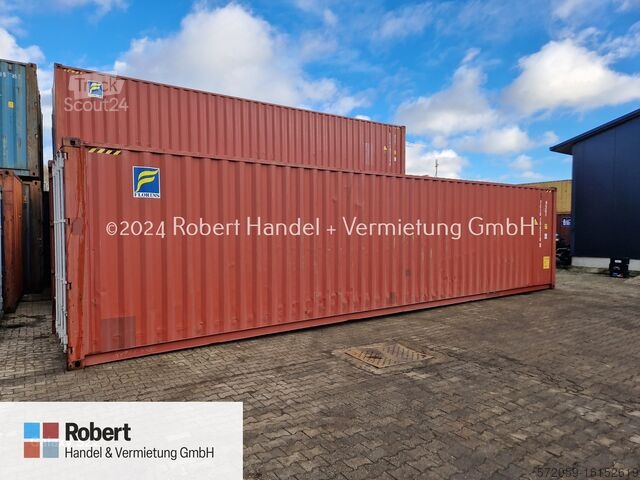
20‑Foot Container for Sale – What You Need to Know Before You Buy
If you’re scouring the internet for a 20‑foot shipping container, you’re not alone. Whether you need a rugged storage unit for a construction site, a modular office for a remote project, or a DIY “tiny house” shell, the 20‑foot container (also called a 20‑ft ISO container) has become the go‑to solution for countless businesses and hobbyists.
In this post you’ll discover:
- The key dimensions and specifications you should check on every container.
- A side‑by‑side comparison of the most common types (standard, refrigerated, high‑cube, and specialty).
- A practical buying checklist to keep you from overpaying or getting a sub‑par unit.
- Real‑world ideas for how you can use a 20‑ft container.
- A quick FAQ that answers the most frequent questions from buyers just like you.
Grab a notebook (or open a note‑taking app) – you’ll want to reference the tables and checklists when you start browsing listings.
1. Why a 20‑Foot Container?
| Benefit | What It Means for You |
|---|---|
| Compact yet spacious | At 20 ft long, the container gives you roughly 1,170 cu ft of interior volume—enough for most medium‑size storage needs without taking up a whole parking lot. |
| Universal dimensions | Built to ISO (International Organization for Standardization) standards, it fits on trucks, trains, and ships worldwide. No custom‑fabricated chassis required. |
| Durable steel construction | Corten steel walls resist rust and denting, protecting your goods from weather, theft, and accidental impacts. |
| Modular | Two 20‑ft units can be stacked to create a 40‑ft length or placed side‑by‑side for a “double‑wide” layout—ideal if your needs grow later. |
| Cost‑effective | New units start around $2,500–$3,500 (depending on type), while used containers can be found for $1,200–$2,000. Compare that with renting a warehouse space, and the savings add up fast. |
If any of those points resonate with you, a 20‑ft container is likely the right starting point.
2. Core Specifications to Verify
Before you click “Buy,” double‑check the numbers. Below is a quick reference you can copy into a spreadsheet.
| Spec | Standard 20‑ft Dry Container | High‑Cube 20‑ft | Reefer (Refrigerated) 20‑ft | Specialty (e.g., Open‑Top, Side‑Door) |
|---|---|---|---|---|
| External Length | 20 ft (6.06 m) | 20 ft (6.06 m) | 20 ft (6.06 m) | 20 ft (6.06 m) |
| External Width | 8 ft (2.44 m) | 8 ft (2.44 m) | 8 ft (2.44 m) | 8 ft (2.44 m) |
| External Height | 8 ft 6 in (2.59 m) | 9 ft 6 in (2.90 m) | 8 ft 6 in (2.59 m) | Varies (open‑top ≈ 9 ft) |
| Internal Length | 19 ft 4 in (5.90 m) | 19 ft 4 in (5.90 m) | 19 ft 4 in (5.90 m) | Depends on design |
| Internal Width | 7 ft 8 in (2.35 m) | 7 ft 8 in (2.35 m) | 7 ft 8 in (2.35 m) | Same as dry |
| Internal Height | 7 ft 10 in (2.39 m) | 8 ft 10 in (2.69 m) | 7 ft 10 in (2.39 m) | Varies |
| Maximum Gross Weight | 24,000 lb (10,886 kg) | 24,000 lb (10,886 kg) | 24,000 lb (10,886 kg) | Same |
| Tare Weight | 4,850 lb (2,200 kg) | 5,100 lb (2,315 kg) | 5,500–6,000 lb (2,495–2,722 kg) | Varies |
| Payload Capacity | ≈ 19,150 lb (8,686 kg) | ≈ 18,900 lb (8,571 kg) | ≈ 18,500 lb (8,391 kg) | Varies |
| Door Type | Double‑door, swing‑open | Double‑door, swing‑open | Double‑door, insulated | Open‑top lid, side door, etc. |
| Typical Price (New) | $2,500–$3,500 | $3,200–$4,200 | $4,500–$6,500 | $3,000–$5,000 (depends on features) |
| Typical Price (Used, Good Condition) | $1,200–$2,000 | $1,500–$2,500 | $2,000–$3,500 | $1,500–$3,000 |
How to use the table:
- When you see a listing, copy the seller’s specs into a row and compare it to the baseline numbers above.
- If the tare weight looks unusually high, the container may have been heavily modified or could contain rust‑induced extra weight—both red flags.
- Price‑per‑cubic‑foot is a useful metric:
price ÷ interior volume (≈1,170 cu ft)should be around $2–$4 for a standard dry container. Anything far outside that range deserves a deeper look.
3. Buying Checklist – Avoid Hidden Costs
| ✅ Item | 📋 What to Verify | 🛠️ Why It Matters |
|---|---|---|
| Container ID (CSC code) | Locate the 11‑digit code stamped on the door frame. | Confirms the container is registered and meets safety standards. |
| Exterior Condition | Look for dents, rust patches, or holes. | Structural integrity affects durability and resale value. |
| Door Seals & Hinges | Test the doors; check rubber gaskets for cracks. | Poor seals lead to water intrusion and temperature loss (critical for reefer). |
| Floor Condition | Walk the floor; press for soft spots. | A compromised floor can break under heavy loads. |
| Certification | Request the International Convention for Safe Containers (CSC) Plate and any ISO 1496‑2 certificates. | Guarantees compliance with global shipping regulations. |
| Modifications | Ask for documentation if the container has been cut, welded, or painted. | Modifications can affect load rating and may void insurance. |
| Delivery Logistics | Verify truck size, local permits, and site access. | Unexpected transport fees can add $300–$800 to the purchase price. |
| Warranty / Return Policy | Get written terms from the seller. | A 30‑day inspection window can save you from costly defects. |
| Payment Terms | Prefer escrow or bank transfer over cash. | Reduces the risk of fraud, especially for online purchases. |
Print this checklist and tick each box during a phone call, email exchange, or onsite inspection.
4. Real‑World Uses – Inspiration for Your 20‑Foot Box
Below are seven popular ways people like you repurpose a 20‑ft container. Feel free to mix and match; the container’s modular nature makes it a true blank canvas.
- Secure On‑Site Storage – Keep tools, spare parts, and hazardous materials locked away from weather and theft.
- Pop‑Up Retail Shop – Fit shelving, lighting, and a branding wrap for an eye‑catching temporary storefront.
- Portable Office – Insulate, add a HVAC unit, and install windows to create a comfortable workspace on a construction site.
- Workshop / Fabrication Bay – Mount heavy‑duty racks, a workbench, and a 110 V/220 V power supply for a garage‑style shop.
- Mini‑Warehouse – Stack pallets inside for a micro‑fulfillment center, especially useful for e‑commerce startups.
- Tiny House Shell – Cut out windows, add interior walls, and finish with plumbing and electrical to build a compact, legal dwelling.
- Event Venue – Turn it into a DJ booth, backstage area, or VIP lounge for festivals and concerts.
Tip: If you plan to modify the container (e.g., cut windows), check local zoning and building codes. In many jurisdictions you’ll need a permit, and the container’s CSC plate may need to be re‑certified after structural changes.
5. Pricing Snapshot – What You Can Expect in 2025
| Condition | Typical Price Range (USD) | Best‑Value Sources |
|---|---|---|
| New, Standard Dry | $2,500 – $3,500 | Manufacturer direct (e.g., Maersk, CIMC) |
| New, High‑Cube | $3,200 – $4,200 | Specialty container dealers |
| New, Reefer | $4,500 – $6,500 | Refrigerated‑container specialists |
| Used, Good Condition | $1,200 – $2,000 | Auction houses, online marketplaces (e.g., eBay, ContainerAuction) |
| Used, Modified (Office/Shop) | $2,500 – $4,000 | Local contractors, “container conversion” companies |
| Bulk Purchase (5+ units) | 5–10 % discount off list price | Direct from port storage yards or leasing firms |
Prices can swing based on region, steel market fluctuations, and seasonal demand (peak shipping seasons often push prices up 10‑15%).
6. Frequently Asked Questions
Q1: How long does a 20‑foot container last?
A: With proper maintenance, a steel container can stay serviceable for 30 years or more. Routine cleaning, rust treatment, and door seal checks are the main longevity boosters.
Q2: Can I stack a 20‑ft container on a standard pallet?
A: Yes, but you must respect the maximum load of the pallet (usually 2,500 lb) and ensure the pallet is rated for the weight of the container (≈ 5,000 lb tare). For heavier loads, a steel frame or forklift‑compatible base is recommended.
Q3: Do I need a special license to drive a container?
A: If you’re hiring a transport company, the driver will hold the appropriate CDL (Commercial Driver’s License) and any required endorsements. If you’re moving it yourself with a personal truck, check your state’s regulations—some jurisdictions require a weight‑exempt permit for loads over 10,000 lb.
Q4: How do I protect a container from rust in a coastal environment?
A: Apply a marine‑grade epoxy primer followed by a polyurethane topcoat every 2–3 years. Additionally, install ventilation fans to reduce condensation, and store the container on a raised platform to keep it off salty ground water.
Q5: What is the difference between a “new” and “one‑trip” container?
A: A new container has never been used for cargo transport, while a one‑trip (or “first‑use”) container has made a single shipment trip and then is sold. One‑trip units are often in near‑new condition but may carry minor wear marks and are typically priced 10‑20 % lower than brand‑new models.
Q6: Can I finance a container purchase?
A: Yes. Many suppliers partner with equipment leasing companies that offer 5‑ to 7‑year financing with rates comparable to commercial trucks. Be sure to compare APRs and any early‑pay penalties before signing.
Q7: Is a 20‑ft container legal for living space?
A: It can be, but you must comply with local building codes, obtain a habitable‑use permit, and meet requirements for insulation, ventilation, egress, and utilities. Some municipalities treat a container conversion as a “modular home,” which has its own set of regulations.
7. Next Steps – Turn Knowledge into Action
- Define Your Purpose – Write down the top three ways you intend to use the container. This will guide you toward the right type (dry, high‑cube, or specialty).
- Set a Budget – Include purchase price, delivery, modifications, and any permits. Use the pricing snapshot to create a realistic ceiling.
- Search Smart – Start with reputable sources (manufacturer websites, dealer directories, local port yards). Bookmark listings that meet your spec checklist.
- Inspect Thoroughly – If buying used, request recent photos, a container inspection report, and arrange a physical walkthrough if possible.
- Seal the Deal – Negotiate price, confirm delivery logistics, and sign a contract that includes a inspection window and warranty terms.
You now have a toolbox of specs, comparisons, and practical tips that will keep you from overspending and ensure the container you purchase serves you for years to come.
8. Bonus Resources
| Resource | What You’ll Find | Link (or search term) |
|---|---|---|
| ISO 1496‑2 Standard | Technical dimensions & testing methods for containers. | “ISO 1496‑2 PDF” |
| Container Auction Sites | Live and online auctions for used containers. | “ContainerAuction.com” |
| National Container Leasing Association (NCLA) | Industry news, market trends, and pricing indices. | “NCLA container market report 2025” |
| DIY Tiny House Guides | Step‑by‑step plans to convert a 20‑ft container into a dwelling. | “Container tiny house conversion guide” |
| EPA Container Recycling Program | Information on environmentally responsible disposal or repurposing. | “EPA container recycling” |
Bottom Line
A 20‑foot container for sale can be the most versatile, cost‑effective, and durable asset you add to your business or personal projects in 2025. By confirming the specs, scrutinizing the condition, and aligning the purchase with a clear purpose, you’ll avoid common pitfalls and unlock a world of modular possibilities.
Ready to start browsing? Pull up the checklist, set your budget, and dive into the listings—your perfect container is just a few clicks away. Happy hunting!