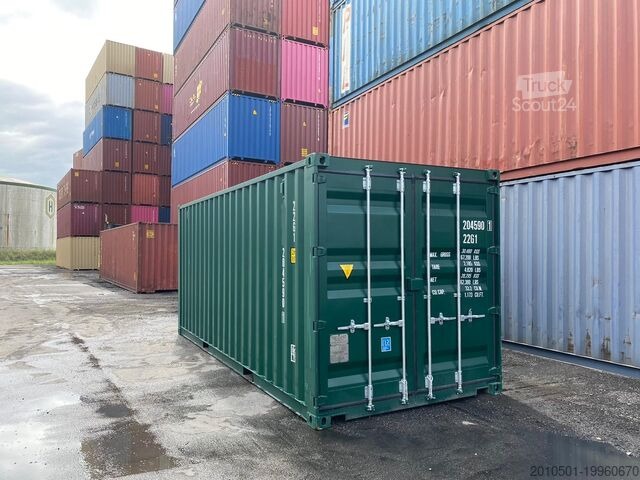
The Complete Guide to Buying & Using Used Shipping Containers
If you’ve ever walked past a row of rust‑stained steel boxes on a dock and wondered whether they could become more than just cargo carriers, you’re not alone. In the last decade, used shipping containers have exploded onto the market as affordable, modular building blocks for everything from pop‑up shops to tiny homes. This guide walks you through everything you need to know—sizes, costs, buying tips, conversion ideas, and the most common questions—so you can decide whether a second‑hand container is the right solution for your next project.
1. Why Choose a Used Container?
| Benefit | What It Means for You |
|---|---|
| Cost‑Effective | A brand‑new 20‑ft container can cost $3,000–$5,000, while a used one in good condition typically ranges from $1,200–$2,500. |
| Structural Integrity | Made from C‑rated marine steel, containers are engineered to withstand harsh ocean conditions, heavy loads, and wind speeds up to 120 mph. |
| Modular Flexibility | You can stack, side‑by‑side, or cut them to create custom floor plans—ideal for rapid prototyping or temporary installations. |
| Sustainability | Repurposing a container keeps steel out of landfills and reduces the need for new building materials, earning you green‑building points. |
| Global Availability | With more than 20 million TEUs (twenty‑foot equivalent units) moving worldwide each year, a used container is never far away. |
In short, a used container offers a ready‑made “shell” that’s cheap, strong, and instantly transportable.
2. Understanding the Basics: Standard Sizes & Dimensions
| Container Type | Exterior Dimensions | Interior Dimensions | Typical Weight | Typical Uses |
|---|---|---|---|---|
| 20‑ft Standard | 20′ × 8′ × 8′ 6″ (6.06 m × 2.44 m × 2.59 m) | 19′ 4″ × 7′ 9″ × 7′ 10″ | 2,200 lb (1,000 kg) | Storage, small workshops, pop‑up retail |
| 40‑ft Standard | 40′ × 8′ × 8′ 6″ (12.19 m × 2.44 m × 2.59 m) | 39′ 5″ × 7′ 9″ × 7′ 10″ | 3,800 lb (1,725 kg) | Warehouses, office modules, larger retail |
| 40‑ft High‑Cube | 40′ × 8′ × 9′ 6″ (12.19 m × 2.44 m × 2.90 m) | 39′ 5″ × 7′ 9″ × 8′ 10″ | 4,200 lb (1,905 kg) | Residential units, labs, workshops needing extra headroom |
| 45‑ft High‑Cube | 45′ × 8′ × 9′ 6″ (13.71 m × 2.44 m × 2.90 m) | 44′ 5″ × 7′ 9″ × 8′ 10″ | 4,700 lb (2,130 kg) | Specialty equipment bays, mini‑warehouses |
| 20‑ft Open‑Top | Same as standard, no roof | Same as standard | 2,500 lb (1,134 kg) | Bulk material handling, loading bays |
All dimensions are approximate; slight variations exist between manufacturers.
3. Where to Source a Used Container
- Port Yard Dealers – These vendors buy de‑stowed containers directly from shipping lines and usually offer the lowest price.
- Specialty Container Companies – Firms like BoxHub, SeaBox or Container Solutions provide cleaning, inspection, and optional modifications.
- Online Marketplaces – Websites such as eBay, Alibaba and Craigslist list containers worldwide. Verify the seller’s reputation and request photos.
- Local Contractors – Some construction firms maintain a small fleet of used containers for quick on‑site storage; they may lease or sell them at a premium.
Tip: Always ask for a Condition Report that includes: exterior rust grade, dent count, door functionality, and any previous modifications.
4. Assessing Condition: What to Inspect
| Inspection Item | Red Flag | What to Do |
|---|---|---|
| Exterior Rust | Pitting deeper than 1 mm | Negotiate price or request sandblasting & repaint. |
| Door Seals | Cracked or missing gaskets | Replace seals; cheap kits cost $30–$60. |
| Structural Warping | Bent corners or twisted frames | Avoid; may compromise load‑bearing capacity. |
| Flooring | Corroded or broken decking | Plan for replacement (OSB, plywood, or steel plates). |
| Documentation | Missing ISO 6346 number | Verify with the shipping line to avoid stolen containers. |
A quick visual inspection will take about ten minutes, but you can prevent costly surprises later by asking for photos and a short video tour before committing.
5. Converting a Used Container: From Box to Building
5.1 Common Conversion Ideas
| Conversion Type | Typical Cost (USD) | Time to Complete | Best For |
|---|---|---|---|
| Basic Storage Unit | $500–$1,000 (paint + doors) | 1–2 weeks | Seasonal inventory, tools |
| Retail Pop‑up | $3,000–$8,000 (insulation, interior finishes) | 3–6 weeks | Temporary shops, food trucks |
| Tiny Home | $15,000–$35,000 (plumbing, electricity, interior) | 2–4 months | Off‑grid living, mobile offices |
| Office Module | $5,000–$12,000 (HVAC, partitions) | 4–8 weeks | Remote sites, construction offices |
| Workshop/Studio | $7,000–$20,000 (heavy‑duty flooring, ventilation) | 6–10 weeks | Fabrication, art studios |
Cost ranges depend on location, labor rates, and the extent of customization.
5.2 Essential Steps for a Successful Conversion
- Design & Permitting
- Sketch a floor plan (software like SketchUp or AutoCAD works well).
- Check local zoning: many municipalities treat a container as a “temporary structure” but may require a building permit for permanent use.
- Structural Modifications
- Cutting Openings: Use an abrasive cut-off saw for steel; reinforce with welded frames to retain rigidity.
- Reinforcing Floors: Add cross‑beams or steel joists if you’ll place heavy equipment.
- Insulation & Weatherproofing
- Spray Foam (Closed‑Cell): Best for thermal performance and moisture barrier—costs $2–$3 per sq. ft.
- Rigid Foam Board + Interior Paneling: More DIY‑friendly; ensures easy access to wiring.
- Electrical & Plumbing
- Hire a licensed electrician to install a breaker panel, outlets, and lighting.
- For water, run PEX tubing through insulated walls; include a drainage pump if the container sits on a slab.
- Finishing Touches
- Paint the exterior with marine‑grade epoxy for rust protection.
- Install interior cladding (drywall, plywood, or metal panels) and flooring (laminate, vinyl, or polished concrete).
5.3 Quick‑Start Checklist
- Confirm ownership & obtain ISO code verification.
- Get a condition report & photograph any damage.
- Secure a transport quote (flatbed vs. container ship).
- Obtain local permits (building, electrical, fire).
- Draft a budget with a 10% contingency.
- Choose a reputable converter or plan a DIY schedule.
6. Cost Breakdown: What Should You Expect to Pay?
| Expense Category | Typical Range (USD) | Notes |
|---|---|---|
| Purchase Price (Used) | $1,200 – $2,500 (20‑ft) $2,200 – $4,500 (40‑ft) | Prices vary by age, condition, and location. |
| Delivery to Site | $300 – $1,200 | Depends on distance, crane fees, and road permits. |
| Cleaning & Exterior Paint | $200 – $800 | Marine‑grade epoxy paint extends lifespan. |
| Structural Modifications | $500 – $5,000 | Cutting doors, adding windows, reinforcing frames. |
| Insulation & Interior Finish | $2,000 – $8,000 | Spray foam, wall panels, flooring, lighting. |
| Utilities (Electric, Plumbing) | $1,000 – $5,000 | Permit fees, conduit, wiring, water tank. |
| Permits & Inspections | $150 – $1,500 | Varies by municipality. |
| Contingency (10%) | Variable | Essential for unexpected rust treatment or code changes. |
Total estimated cost for a fully finished 40‑ft container tiny home: $30,000–$55,000.
7. Pros & Cons: Quick Decision Matrix
| Pros | Cons |
|---|---|
| Affordability – Lower upfront cost than traditional construction. | Limited Width – 8 ft interior limits layout options. |
| Speed – Can be delivered and installed in weeks, not months. | Thermal Performance – Steel conducts heat; requires proper insulation. |
| Modularity – Easy to stack or combine for larger footprints. | Zoning Restrictions – Some cities treat containers as “non‑habitable”. |
| Durability – Designed for harsh marine environments. | Aesthetic Perception – May need interior design to avoid industrial look. |
| Reusability – Can be relocated or repurposed later. | Transportation Limits – Oversized modifications may need special permits. |
8. Frequently Asked Questions (FAQ)
Q1: How long will a used container last?
Answer: With proper maintenance—regular rust treatment, repainting every 5–7 years, and keeping moisture out—a container can easily exceed 30 years. Many are still in service after 40 years of sea travel.
Q2: Do I need a special license to drive a container?
Answer: If you transport the container on a flatbed trailer, you need a standard commercial driver’s licence (CDL) for the truck. If you hire a transport company, they handle licensing.
Q3: Can I stack used containers?
Answer: Yes. Standard containers are designed to bear the weight of another container (≈30 tons). However, if you’ve cut or welded the corners, you must re‑engineer the stacking points or use a concrete foundation.
Q4: Are there any hidden fees?
Answer: Common hidden costs include:
- Port Handling Fees (if buying directly from a port).
- Roadway Permit Fees for oversized loads (especially when cutting large openings).
- Inspection/Survey Fees required by municipal building departments.
Q5: What is “ISO 6346” and why does it matter?
Answer: It’s the international identification system for freight containers. The code (e.g., “MSCU 123456‑7”) proves legitimacy and helps you trace the container’s history. Always request it before purchase.
Q6: Can I use a container for food service?
Answer: Absolutely, but you must meet health‑department requirements: stainless‑steel interior walls, proper ventilation, and a certified food‑grade interior finish. Some vendors sell “food‑grade” containers pre‑treated for this purpose.
Q7: Is container steel recyclable after use?
Answer: Yes. Steel is 100 % recyclable. If your container reaches the end of its life, you can send it to a scrap yard where it will be melted down for new steel products.
9. Bottom Line: Is a Used Shipping Container Right for You?
If you need affordable, sturdy, and quickly deployable space, a used shipping container is an excellent choice. The key to success lies in due diligence—inspect condition, verify ownership, and understand local regulations. Then, decide how far you want to go with the conversion: a simple storage upgrade can be done in a weekend, while a fully habitable tiny home may require months of planning and a larger budget.
Takeaway Checklist
- Define your purpose (storage, retail, residence).
- Set a realistic budget (include contingency).
- Source a reputable seller and request a condition report.
- Secure permits before cutting or modifying the steel.
- Plan insulation & utilities early to avoid costly retrofits.
- Partner with experienced contractors for welding, electrical, and plumbing work.
When you follow these steps, a used shipping container can become more than a metal box—it can be the foundation of your next business, the walls of your dream tiny home, or the secure hub for your equipment.
Ready to Get Started?
- Search local port auctions or online container listings.
- Inspect the container virtually (ask for photos) and schedule a physical visit.
- Calculate total cost using the table above.
- Draft a simple floor plan and request quotes from at least three conversion specialists.
Your next project could be just a container away. Happy building!