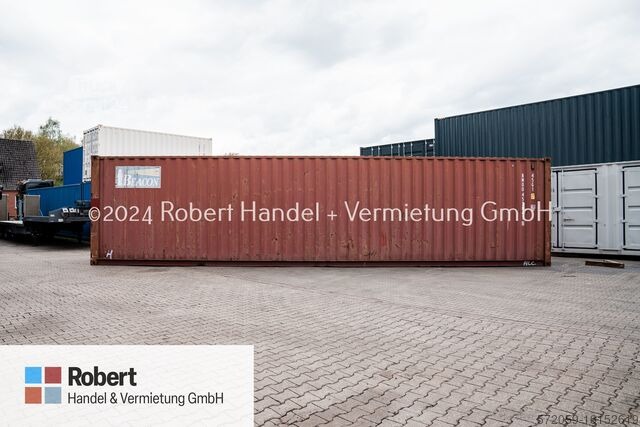
Buying Shipping Containers in the UK – A Complete Guide for You
Whether you are a small‑business owner looking for extra storage, a DIY enthusiast planning a backyard office, or an entrepreneur eyeing a modular building project, a shipping container can be the perfect, cost‑effective solution. The UK market now offers a wide variety of new and used containers, financing options, and specialist services that make purchasing a container easier than ever. This guide walks you through everything you need to know, from choosing the right type to navigating delivery, legal requirements, and after‑sales support.
1. Why a Shipping Container Might Be the Right Choice for You
| Benefit | How It Helps You | Typical Use Cases |
|---|---|---|
| Durability | Made of C‑rated steel, resistant to weather and corrosion. | Long‑term storage, outdoor workshops. |
| Mobility | Can be lifted by a crane and transported on a trailer. | Temporary sites, pop‑up shops, event structures. |
| Scalability | Stackable and can be combined (twin‑stack, side‑by‑side). | Expanding warehouses, modular housing. |
| Security | Lockable doors, optional CCTV or alarm systems. | Asset protection, high‑value inventory. |
| Cost‑Effective | 30‑70 % cheaper than traditional brick‑and‑mortar build for the same floor area. | Start‑ups, community projects, schools. |
| Eco‑Friendly | Re‑using a container reduces steel waste and carbon footprint. | Green building certifications, sustainable businesses. |
If any of these points line up with your needs, you’re already on the right track.
2. Types of Shipping Containers Available in the UK
| Type | Standard Dimensions (L × W × H) | Typical Internal Volume | Common Materials | Ideal For |
|---|---|---|---|---|
| 20‑Foot Standard | 6.058 m × 2.438 m × 2.591 m | 33 m³ | C‑rated steel, corrugated walls | Small storage, portable offices |
| 40‑Foot Standard | 12.192 m × 2.438 m × 2.591 m | 67 m³ | C‑rated steel | Larger inventories, workshops |
| 40‑Foot High‑Cube | 12.192 m × 2.438 m × 2.896 m | 76 m³ | C‑rated steel, extra headroom | Tall equipment, conversion to living space |
| 45‑Foot High‑Cube | 13.716 m × 2.438 m × 2.896 m | 86 m³ | C‑rated steel | Bulk storage, large‑scale modular builds |
| Refrigerated (Reefer) | 12.192 m × 2.438 m × 2.591 m | 65 m³ | Insulated steel, built‑in refrigeration unit | Food & pharma logistics |
| Open‑Top | 12.192 m × 2.438 m × 2.591 m | 67 m³ (no roof) | C‑rated steel, removable tarpaulin | Heavy machinery loading, scrap metal |
Tip: When you’re just starting, a 20‑foot or standard 40‑foot container offers the best balance of price and versatility. High‑cube models become valuable when you need extra headroom for standing or installing shelving.
3. Where to Buy Shipping Containers in the UK
3.1 Trusted Suppliers
| Supplier | Location(s) | New/Used | Typical Price Range (GBP) | Notable Services |
|---|---|---|---|---|
| Container Sales Ltd | Southampton, Birmingham | New & Used | £2,200 – £5,800 (20‑ft) £3,800 – £9,500 (40‑ft) | On‑site delivery, custom modifications |
| Royal Wolf | Manchester, Glasgow | Used (refurbished) | £1,800 – £4,500 (20‑ft) £3,300 – £7,800 (40‑ft) | Finance options, 12‑month warranty |
| Eurocontainer | London, Leeds | New | £2,650 – £6,200 (20‑ft) £4,200 – £10,200 (40‑ft) | Design consultancy, ISO‑certified builds |
| Ship2Store | Nationwide (via partner depots) | Used & New | £2,000 – £5,500 (20‑ft) £3,600 – £9,000 (40‑ft) | Same‑day dispatch, optional paint finishes |
| Swansea Steel Containers | Swansea, Cardiff | New | £2,400 – £5,900 (20‑ft) £4,000 – £10,500 (40‑ft) | CNC‑cut doors, solar‑panel kits |
Quick Check: Verify that the supplier holds a CPC (Container Providers Certification) or is a member of the British Container Association (BCA). This offers an extra layer of quality assurance.
3.2 What to Look for When Choosing a Supplier
- Transparent Pricing – All taxes, delivery fees, and optional extras should be listed upfront.
- Delivery Coverage – Some companies only serve certain regions; confirm they can reach your exact postcode.
- After‑Sales Support – Look for warranties (minimum 12 months) and availability of spare parts.
- Modification Capability – If you need windows, doors, insulation, or electrical wiring, check the supplier’s in‑house or partner workshop.
- Customer Reviews – Platforms such as Trustpilot or Google Business provide real‑world feedback.
4. Step‑by‑Step: How to Purchase a Shipping Container in the UK
- Define Your Requirements
- Size (20‑ft vs 40‑ft)
- Condition (new, used, refurbished)
- Special features (high‑cube, insulated, open‑top)
- Set a Budget
- Container price (see Table 3)
- Delivery charges (usually £150‑£350 for local, up to £900 for long‑distance)
- Modification costs (window installation £300‑£800, electrical wiring £500‑£1,200)
- Research Suppliers
- Use the table above as a starting point.
- Request quotations from at least three vendors.
- Inspect the Container (if used)
- Look for rust, dents, water damage, and structural integrity.
- Ask for the ISO 1496‑1 certification sheet.
- Arrange Financing (Optional)
- Many UK suppliers offer 0 % interest finance for up to 12 months.
- Business loans or leasing can spread cost over 3‑5 years.
- Confirm Delivery Logistics
- Provide exact delivery address and any access constraints (e.g., narrow gate).
- Arrange a crane‑lift if the container will be placed on a raised platform.
- Finalize the Purchase
- Sign a contract that outlines price, delivery date, warranty, and returns policy.
- Pay the deposit (usually 10‑30 % of total cost).
- Plan for Installation & Modifications
- Obtain planning permission if you intend to mount the container permanently on a residential property (some councils require it).
- Hire a certified installer for electrical, plumbing, or structural modifications.
- Take Delivery and Conduct a Final Inspection
- Check for any transport damage.
- Verify that all agreed‑upon modifications are present.
- Register the Container (if needed)
- If you’ll use it for commercial storage, you may need to register it with HM Revenue & Customs (HMRC) for tax purposes.
5. Legal & Regulatory Considerations
- Planning Permission: In England and Wales, a portable structure under 1,500 mm in height generally does not need planning permission, but local councils can have stricter rules. Always check with your local authority before placement.
- Building Regulations: For containers used as dwellings or permanent offices, you must meet Part B (Fire Safety) and Part L (Conservation of Fuel and Power) of the Building Regulations.
- Road Transport Licences: If you arrange your own transport, a Standard National Permit (SNP) is required for loads over 7.5 t. Suppliers often handle this for you.
- Health & Safety: Ensure the container is securely anchored; a freestanding container may become a hazard in high winds.
6. Common Uses – Inspiration for Your Next Project
- On‑Site Storage – Keep tools, raw materials, or seasonal stock safe and accessible.
- Pop‑Up Retail – Turn a container into a mobile shop for festivals or markets.
- Garden Office – Convert a 20‑ft container into a quiet workspace with insulation and windows.
- Micro‑Warehouse – Stack two 40‑ft containers for a 2,000 sq ft fulfilment centre.
- Housing – Develop affordable modular homes; high‑cube containers provide extra living space.
- Community Projects – Create a library, art gallery, or youth centre in a repurposed container.
7. Maintenance Tips to Keep Your Container in Top Shape
| Maintenance Task | Frequency | How to Perform |
|---|---|---|
| Exterior Wash | Quarterly | Use a mild detergent and a pressure washer; avoid abrasive brushes that can damage the paint. |
| Rust Inspection | Every 6 months | Look for red‑brown spots, especially around welds and door frames; sand away and apply rust‑inhibiting primer. |
| Door Seal Check | Annually | Ensure the rubber gasket is intact; replace if cracked to maintain weatherproofing. |
| Ventilation Check | Bi‑annually | Verify that vents are not blocked; clean any debris to avoid condensation buildup. |
| Internal Lighting & Wiring | Every 12 months | Test all switches and sockets; replace any frayed cables. |
| Roof Inspection | After heavy rain or snow | Ensure the roof panels are not buckled; repair any dents promptly. |
Regular care extends the life of your container well beyond the typical 15‑year warranty period.
8. Frequently Asked Questions (FAQ)
Q1. How much does a used 20‑foot container cost in the UK?
A: Prices typically range from £1,800 to £4,500, depending on age, condition, and any refurbishments (painting, rust treatment, etc.).
Q2. Can I place a container on my residential garden without planning permission?
A: Generally, a container under 1.5 m in height does not need permission, but local councils may have specific rules. Always check with the local planning department before installation.
Q3. What is the difference between a “standard” and “high‑cube” container?
A: High‑cube containers are 305 mm taller (≈ 12 ft 9 in vs. 8 ft 6 in). The extra height provides additional headroom and interior volume—ideal for standing work or converting into living spaces.
Q4. Are there financing options for buying a container?
A: Yes. Many UK suppliers partner with finance companies to offer 0 % interest for up to 12 months or longer term leasing arrangements.
Q5. How do I transport a container to a remote site?
A: Suppliers usually coordinate a road‑permitted trailer and a crane for off‑loading. For remote or difficult access, you may need a specialised low‑loader or a helicopter lift for extremely isolated locations.
Q6. Can I modify a container myself, or do I need a professional?
A: Minor modifications (painting, adding shelves) are DIY‑friendly. Structural changes—such as cutting large openings for doors or windows—should be performed by a certified metalwork shop to maintain structural integrity and compliance with ISO standards.
Q7. Do containers need to be registered with HMRC?
A: Only if you use the container for a tax‑able business (e.g., as a warehouse). Registering helps with VAT accounting and asset depreciation.
Q8. What warranty coverage is typical?
A: Most reputable UK suppliers provide a minimum 12‑month warranty covering rust, structural defects, and faulty doors. Some offer extended warranties for an additional fee.
Q9. How long does delivery usually take?
A: For containers in stock, delivery can be arranged within 5‑10 working days for local sites. Long‑distance or custom‑built units may take 2‑4 weeks.
Q10. Is it environmentally friendly to buy a used container?
A: Absolutely. Repurposing a used container reduces steel waste and the carbon footprint associated with manufacturing a new unit.
9. Bottom Line – Your Path Forward
Buying a shipping container in the UK is a straightforward process once you know what you need, where to look, and the steps involved. By defining your requirements, budgeting wisely, and choosing a reputable supplier, you can secure a durable, versatile asset that serves a multitude of purposes—from secure storage to a bespoke office or even a modern micro‑home.
Ready to take the next step?
- Draft a quick checklist of your size, condition, and feature needs.
- Request quotes from at least three of the suppliers listed in Table 3.
- Schedule a site visit (or a virtual inspection) to confirm the container’s condition.
With the right planning, you’ll have your container on site, ready for conversion, in as little as a week—unlocking the space and flexibility your project demands.
Happy container hunting, and may your new steel space bring you the efficiency and innovation you’re looking for!