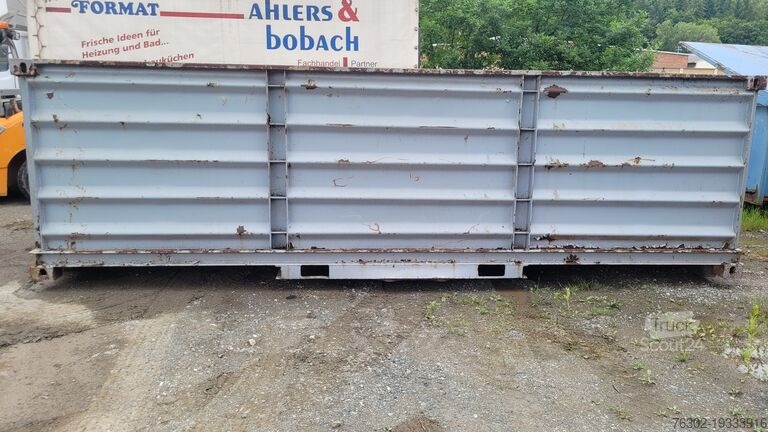
Container Hire and Shipping: The Complete Guide for Your Business
When you need to move goods—whether it’s a single pallet of electronics or a full‑scale export operation—container hire becomes the backbone of a reliable, cost‑effective supply chain. Yet the world of containers, freight forwarders, and shipping lines can feel like a maze of acronyms and hidden fees. This post walks you through everything you need to know, from picking the right container size to navigating customs, so you can make confident, data‑driven decisions for your next shipment.
1. Why Hire a Container Instead of Buying One?
| Factor | Buying a Container | Hiring a Container |
|---|---|---|
| Up‑front Capital | High (USD 2,500‑5,000 per 20‑ft unit) | Low (pay‑as‑you‑go) |
| Maintenance | Your responsibility (repairs, cleaning) | Provider handles upkeep |
| Flexibility | Fixed inventory; you must store idle units | Scale up or down per shipment |
| Depreciation | Asset loses value over time | No depreciation risk |
| Regulatory Compliance | Must keep up with ISO/CSC standards | Provider ensures compliance |
If your shipping volume fluctuates seasonally or you’re testing a new market, hiring offers the agility you need without tying up capital. Even large enterprises often lease containers for specialty cargo (e.g., refrigerated or open‑top) that they only need intermittently.
2. Types of Containers You’ll Encounter
| Container Type | Dimensions (L×W×H) | Typical Use Cases | Key Considerations |
|---|---|---|---|
| Standard Dry (20‑ft) | 20′ × 8′ × 8′ 6″ | General cargo, boxes, pallets | Most economical per cubic metre |
| Standard Dry (40‑ft) | 40′ × 8′ × 8′ 6″ | Higher volume, fewer handling moves | Better volume‑to‑weight ratio |
| High‑Cube Dry (40‑ft HC) | 40′ × 8′ × 9′ 6″ | Light, bulky goods (e.g., furniture) | Extra 1‑ft height = 10% more volume |
| Reefer (30‑ft, 40‑ft) | 30‑40′ × 8′ × 8′ 6″ (or HC) | Perishables, pharmaceuticals | Requires power source; higher hire cost |
| Open‑Top | Same as dry but removable roof | Oversized or irregular cargo (e.g., machinery) | Must use tarpaulin for weather protection |
| Flat‑Rack | Same as dry with collapsible sides | Heavy equipment, vehicles, pipes | Load must be secured with lashing |
| Ventilated (Vent) Box | Same as dry, with ventilation panels | Agricultural products, grains | Prevents moisture buildup |
Tip: Always check whether the container’s internal dimensions (usable length/width/height) meet your cargo’s footprint. A 20‑ft dry container offers about 33 m³ of space; a 40‑ft HC offers roughly 76 m³.
3. The Real Cost of Hiring a Container
Understanding the cost drivers prevents unpleasant surprises on your invoice. Below is a typical cost breakdown for a 40‑ft dry container shipped from Shanghai to Los Angeles (prices are illustrative as of 2024).
| Cost Component | Explanation | Approx. USD |
|---|---|---|
| Base Hire Fee | Rental for 30‑day period (includes container) | $1,500 |
| Detention Charge | Extra days beyond 30‑day free period | $30 / day |
| THC (Terminal Handling Charge) | Loading/unloading at port | $250 |
| Bunker Adjustment Factor (BAF) | Fuel price surcharge | $180 |
| Currency Adjustment Factor (CAF) | Exchange‑rate fluctuation | $70 |
| Insurance (Cargo/Container) | Optional, but recommended | $120 |
| Documentation Fees | Bill of Lading, customs paperwork | $45 |
| Port Congestion Surcharge | Applied during peak seasons | $200 (varies) |
| Total Estimated Cost | $2,495 |
Pro tip: Negotiate a longer free‑detention period if you anticipate longer inland transport. Many carriers will waive the first 45‑60 days for regular customers.
4. Step‑by‑Step: How to Hire a Container and Ship Your Goods
- Define Your Cargo Profile
- Weight: Know the gross weight to avoid exceeding container load limits (≈ 28 t for a 40‑ft dry).
- Dimensions: Sketch a loading plan; compute cubic metres.
- Special Requirements: Temperature control, ventilation, hazardous classification.
- Choose the Right Container Type
Use the table in Section 2 as your checklist. If you’re unsure, request a “cargo‑fit” analysis from the provider. - Select a Reliable Provider
- Reputation: Look for ISO‑9001 certification, positive reviews, and a transparent rate sheet.
- Network Coverage: Ensure they operate in both origin and destination ports.
- Value‑Added Services: Door‑to‑door delivery, customs clearance, real‑time tracking.
- Obtain a Quote & Confirm Terms
- Ask for a Full‑Container Load (FCL) versus Less‑than‑Container Load (LCL) comparison.
- Verify free‑detention days, insurance coverage, and any surcharges.
- Prepare Documentation
- Commercial Invoice, Packing List, Certificate of Origin, and any required Import/Export Licenses.
- For refrigerated cargo, include a Reefer Certificate confirming temperature settings.
- Load the Container
- Follow the provider’s Loading Guidelines (weight distribution, lashing).
- Conduct a Pre‑Trip Inspection (damage, seal numbers).
- Seal & Book the Shipment
- Apply a high‑security seal (ISO 17712).
- Book space on a vessel via your freight forwarder or directly with a shipping line.
- Track & Manage
- Use the provider’s online portal to monitor vessel departure, ETA, and inland transport status.
- Receive & Inspect
- Upon arrival, verify the seal, inspect for damage, and sign the Delivery Receipt.
- Report any discrepancies within the carrier’s claim window (typically 7‑14 days).
5. Common Mistakes & How to Avoid Them
| Mistake | Impact | Solution |
|---|---|---|
| Under‑estimating weight | Over‑loading → fines, cargo damage | Use a calibrated scale; add 10 % safety margin |
| Choosing the wrong container type | Increased handling, waste of space | Perform a “load‑plan simulation” before booking |
| Ignoring free‑detention limits | Unexpected detention fees | Align inland transport schedule with free‑detention period |
| Skipping insurance | Full loss in case of accident | Purchase cargo insurance; many providers bundle a low‑cost option |
| Poor documentation | Customs delays, possible seizure | Double‑check all paperwork; keep digital copies for quick reference |
6. Quick‑Reference Checklist
- Identify cargo weight, dimensions, and special needs
- Select appropriate container size/type
- Verify provider’s free‑detention days
- Confirm insurance coverage (CIF or FOB)
- Prepare all required export/import documents
- Apply ISO‑compliant seal before loading
- Track vessel & inland transport in real time
- Inspect container on arrival and document any damage
7. Frequently Asked Questions (FAQ)
Q1: How long can I keep a hired container before detention charges apply?
Answer: Most providers grant 30 days of free use, including loading, transport, and unloading. Extensions up to 60 days are common for regular customers. Always verify the exact free‑detention period in your contract.
Q2: What is the difference between FCL and LCL, and which is cheaper?
Answer:
- FCL (Full Container Load): You lease the entire container. Ideal for large shipments; cost per cubic metre is lower, and handling is faster.
- LCL (Less‑than‑Container Load): Your cargo shares space with other shippers. You pay for the volume used plus a handling fee. LCL can be cheaper for small volumes but may involve longer transit times and additional handling.
Q3: Do I need a special license to transport hazardous materials?
Answer: Yes. Hazardous cargo falls under the IMDG Code (International Maritime Dangerous Goods). You’ll need a Dangerous Goods Declaration, proper labeling, and possibly a UN number. Your freight forwarder should guide you through the compliance process.
Q4: Can I track my container in real time?
Answer: Many providers integrate GPS tracking or IoT sensors into their fleet. Ask for a tracking portal or a mobile app that shows vessel position, estimated arrival, and inland status.
Q5: What happens if the container is damaged on arrival?
Answer: Immediately document the damage with photos and a written report. File a claim with the carrier within the stipulated window (usually 7‑14 days). If you purchased insurance, notify your insurer as well.
Q6: Are there any environmental considerations when hiring containers?
Answer: Modern containers are built to ISO 1496 standards, ensuring durability and recyclability. Some providers offer green options, such as refurbished containers, carbon‑offset shipping, or reusable “smart” containers equipped with solar‑powered monitoring devices.
8. Future Trends: What’s Shaping Container Hire and Shipping?
- Digital Twins & AI‑Optimized Loading – Platforms now simulate cargo placement to maximize space utilisation, reducing empty weight and fuel consumption.
- Smart Containers – Embedded sensors monitor temperature, humidity, and door openings in real time, feeding data to stakeholders via blockchain for immutable traceability.
- Sustainability Initiatives – Shipping lines are increasingly committing to Net‑Zero targets. Expect more low‑sulphur fuels and electric‑driven port equipment, which may affect surcharges and scheduling.
- E‑Commerce Driven LCL Growth – As online retail expands globally, demand for flexible, small‑batch shipments spikes, prompting providers to refine LCL services with faster customs clearance and consolidated hubs.
Keeping an eye on these developments allows you to adapt early, negotiate better rates, and position your supply chain for long‑term resilience.
9. Final Thoughts
Hiring a container isn’t just a transactional step; it’s a strategic lever that can streamline your logistics, protect your capital, and give you the flexibility to scale on demand. By mastering the basics—knowing which container fits your cargo, understanding the true cost structure, and following a disciplined shipment workflow—you’ll avoid costly pitfalls and keep your goods moving smoothly across oceans.
Remember, every successful shipment starts with a solid plan, a reliable partner, and an eye for detail. Use the tables, checklists, and FAQs above as your go‑to reference, and you’ll be well equipped to navigate the world of container hire and shipping with confidence.
Ready to book your next container? Start by gathering your cargo specifications, then reach out to a few vetted providers for quotes. Compare not only the price but also the service level—free detention days, insurance options, and real‑time tracking can make a huge difference to your bottom line.
Happy shipping! 🚢🌍