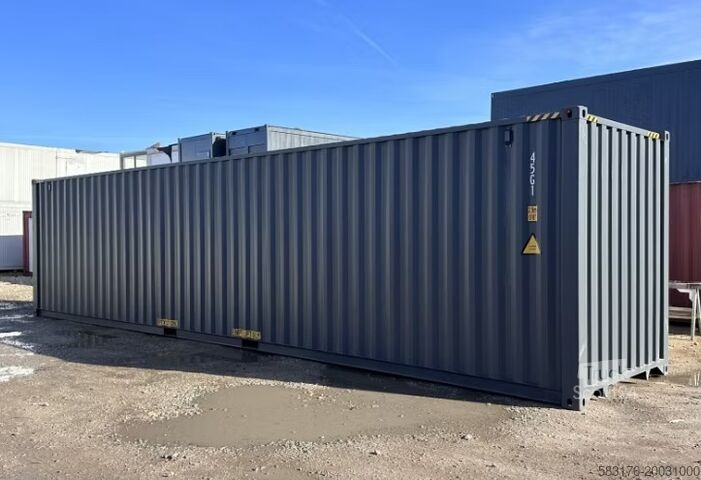
Containers for Rent Near Me – The Complete Guide to Finding, Choosing, and Using Rental Containers
Whether you’re cleaning out the garage, tackling a home renovation, moving to a new city, or need a secure place to store seasonal inventory, the phrase “containers for rent near me” probably pops up on your phone dozens of times a day. But the sheer number of options can be overwhelming.
This guide walks you through every step of the process—from the first Google search to a smooth drop‑off—while keeping the focus on what matters most to you. You’ll learn how to spot reputable providers, compare prices, pick the right container size, and avoid hidden fees. A handy table, quick‑look lists, and a detailed FAQ are all included so you can make an informed decision in minutes, not hours.
1. Why Rent a Container?
| Benefit | How It Helps You |
|---|---|
| Flexibility | Rent for a day, a week, or several months—pay only for the time you need. |
| Security | Steel walls, lockable doors, and sometimes even surveillance cameras keep your belongings safe. |
| Weather‑proof | Weather‑resistant seals protect against rain, snow, UV, and pests. |
| Cost‑effective | No need to buy a permanent storage unit you’ll only use once a year. |
| Mobility | Some companies deliver to your site and pick up when you’re done, eliminating the need for a truck. |
If any of these points resonate with you, renting a container is likely the most convenient solution.
2. How to Find “Containers for Rent Near Me”
2.1 Start with a Local Search
- Google it – Type “containers for rent near me” or “portable storage containers [your city]”.
- Check the map – The Google map pane instantly shows the distance, phone number, and user ratings for each provider.
- Read the reviews – Look for patterns: punctual delivery, transparent pricing, friendly staff.
2.2 Use Specialized Directories
| Platform | What It Offers | Why It’s Useful |
|---|---|---|
| Yelp | Customer reviews, photos, price ranges | Community‑driven feedback gives you a realistic picture. |
| HomeAdvisor | Pre‑screened contractors, quote‑request forms | Great for larger projects (e.g., construction site storage). |
| Thumbtack | Quick quote requests, service‑area filters | Helps you compare multiple providers side‑by‑side. |
| Facebook Marketplace | Local listings, often lower‑cost private rentals | Good for short‑term, small‑scale needs. |
2.3 Ask Around
- Neighbors & homeowners associations – They may already have a preferred vendor.
- Moving companies – Many partner with container rentals and can pass discounts your way.
3. Types of Containers You Can Rent
| Container Type | Typical Dimensions (L × W × H) | Ideal Uses |
|---|---|---|
| Standard 10‑ft Shipping Container | 10 ft × 8 ft × 8.5 ft | Small moves, seasonal gear, document storage |
| Standard 20‑ft Shipping Container | 20 ft × 8 ft × 8.5 ft | Medium‑size furniture, renovation debris, small business inventory |
| Standard 40‑ft Shipping Container | 40 ft × 8 ft × 8.5 ft | Full‑house moves, large‑scale construction sites, bulk equipment |
| High‑Cube (40‑ft) Container | 40 ft × 8 ft × 9.5 ft | Extra‑tall items (e.g., ladders, shelving) |
| Modified (Climate‑Controlled) Container | Varies; insulated walls & HVAC | Sensitive electronics, artwork, pharmaceuticals |
| Roll‑On/Roll‑Off (RORO) Container | Usually 20‑ft or 40‑ft | Easy loading on trucks; ideal for frequent access |
Tip: If you’re unsure which size you need, most providers will let you “try before you buy.” They’ll deliver a container, you load it, and they’ll advise whether a larger or smaller unit would be more efficient.
4. Pricing: What to Expect
Pricing varies by region, container size, and rental length. Below is a typical price range for the United States in 2024 (prices are per month and include delivery & pick‑up unless noted).
| Size | Base Monthly Rate | Delivery Fee | Pick‑Up Fee | Typical Discounts |
|---|---|---|---|---|
| 10‑ft | $80 – $120 | $30 – $50 | $30 – $50 | 10 % off 3‑month contracts |
| 20‑ft | $120 – $180 | $40 – $60 | $40 – $60 | 15 % off 6‑month contracts |
| 40‑ft | $200 – $280 | $50 – $80 | $50 – $80 | 20 % off 12‑month contracts |
| Climate‑Controlled (20‑ft) | $250 – $350 | $70 – $90 | $70 – $90 | 10 % off for non‑profit organizations |
Remember: Some companies charge a “minimum rental period” (often 30 days). If you need a container for only a few days, ask if they have a short‑term or daily rate.
5. Checklist: Factors to Consider Before Signing
- Location Coverage – Does the provider serve your exact address? Check for any extra mileage surcharges.
- Container Condition – Inspect for rust, dents, and functional locks. A reputable firm will have a “clean‑sheet” inspection report.
- Delivery & Pick‑Up Timing – Confirm the window (e.g., “between 9 am–12 pm”) and any penalties for missed appointments.
- Insurance – Most companies offer optional coverage; your homeowner’s or renter’s policy may already cover stored items.
- Access Restrictions – If you’re placing the container on a public street, you may need a permit from the city or HOA.
- Security Features – Look for lock types (padlock vs. cam lock), optional GPS tracking, and lighting.
- Additional Services – Some firms provide loading assistance, pallet racks, or climate‑control upgrades for an extra fee.
6. Step‑by‑Step: Renting a Container Near You
| Step | What You Do | Why It Matters |
|---|---|---|
| 1. Define Your Needs | List what you’ll store, estimate volume, and set a timeline. | Prevents over‑paying for a larger container than necessary. |
| 2. Search & Shortlist | Use Google, Yelp, and local directories to pick 3‑5 providers. | Gives you a baseline for price and service comparison. |
| 3. Request Quotes | Fill out online forms or call; ask for a written estimate that includes all fees. | Transparent pricing helps you avoid surprise charges. |
| 4. Verify Credentials | Check business license, BBB rating, and read at least 5 recent reviews. | Reduces the risk of scams or unreliable service. |
| 5. Book Delivery | Confirm date, time, and exact placement location (backyard, driveway, etc.). | Ensures the container arrives when you’re ready to load. |
| 6. Prepare the Site | Clear the area, level the ground, and, if needed, obtain a parking permit. | Prevents delivery delays and potential fines. |
| 7. Load Safely | Use pallets, tie‑down straps, and keep heavy items at the bottom. | Maximizes space and protects items from shifting. |
| 8. Sign the Rental Agreement | Review terms, note the return date, and keep a copy for records. | Legal protection for both parties. |
| 9. Schedule Pick‑Up | Notify the provider a few days before the due date; confirm any final inspection. | Guarantees a smooth end to the rental period. |
| 10. Return & Review | Inspect the container upon return, pay any final fees, and leave a review. | Helps future renters and may earn you a loyalty discount. |
7. Common Mistakes (And How to Avoid Them)
- Under‑estimating Volume – Use an online container calculator or measure your furniture to avoid cramming.
- Ignoring Permit Requirements – Check with your city’s public works department early; a $50 fine is easier to prevent than to pay.
- Skipping Insurance – Even a modest $0.50 per $100 of value can protect you from loss due to theft or natural disasters.
- Choosing the Cheapest Option Blindly – A low price may hide poor container condition or hidden mileage fees.
8. Frequently Asked Questions
Q1. How far in advance should I book a container?
A: Most companies can deliver within 24‑48 hours for short‑term rentals, but it’s safest to book at least 3–5 business days ahead, especially during peak moving seasons (May‑September).
Q2. Can I place the container on the street?
A: Yes, but you typically need a temporary storage permit from your municipality. The rental company often assists with the paperwork, but you’re responsible for any parking violations.
Q3. What happens if I return the container late?
A: Late fees vary, but they’re usually $25‑$50 per day plus any extra mileage if the container is moved to a different location. Some firms offer a grace period of 24 hours—confirm this in your contract.
Q4. Is the container delivered empty?
A: Standard practice is an empty container. Some providers can pre‑install shelves, pallets, or a climate‑control unit for an additional fee.
Q5. Do I need a forklift to load a 40‑ft container?
A: Not necessarily. Most items can be loaded using a hand truck or dolly. For heavy machinery, a forklift or crane may be required, and you can either rent that equipment or hire a loading service.
Q6. Can I keep the container on my property after the rental ends?
A: Typically, you must return the container to the rental company. If you want to purchase it, discuss a buy‑out option before the contract expires.
Q7. Are there any hidden fees I should watch out for?
A: Common hidden costs include extra mileage, fuel surcharges, extended‑use penalties, and damage fees (e.g., dents, broken locks). Always request a breakdown of all potential fees before signing.
9. Quick Reference List: Top 5 Things to Verify Before You Sign
- ✅ Delivery Area & Schedule – Confirm the exact address and time window.
- ✅ Container Condition Report – Get a photo or checklist of the container’s state.
- ✅ Total Cost Breakdown – Include delivery, pick‑up, insurance, and any optional services.
- ✅ Permit Requirements – Verify if a city or HOA permit is needed for curbside placement.
- ✅ Cancellation Policy – Know the notice period and any refundable deposits.
10. Final Thoughts: Making the Most of Your Rental
Finding the perfect container near you doesn’t have to be a guessing game. By following this guide—defining your needs, vetting providers, understanding pricing, and checking off the critical items on the checklist—you’ll secure a clean, secure, and cost‑effective storage solution that fits your timeline perfectly.
Remember, the best rental experience starts long before the container rolls onto your driveway; it begins with a few minutes of research and a few smart questions. So go ahead, run that search, call a couple of local providers, and get your belongings safely stored—without the hassle or hidden surprises.
Happy storing!
Feel free to share your own experiences or ask additional questions in the comments below. We love hearing how our readers have turned a simple container rental into a seamless part of their moving or renovation story.