Container Homes in the UK: A Step‑by‑Step Guide for the Modern Home‑Builder
If you’re scrolling through Pinterest, Instagram or a design magazine and spotting sleek, rectangular houses perched on rooftops, you’re probably looking at container homes. Once the workhorses of global shipping, steel containers have been repurposed into stylish, sustainable dwellings that are gaining serious traction across the United Kingdom.
In this post you’ll discover everything you need to know to decide whether a container home is right for you, how the planning process works, what the costs look like, and which practical steps will take you from concept to move‑in. We’ll also answer the most common questions that pop up when you first explore this building method.
1. What Exactly Is a Container Home?
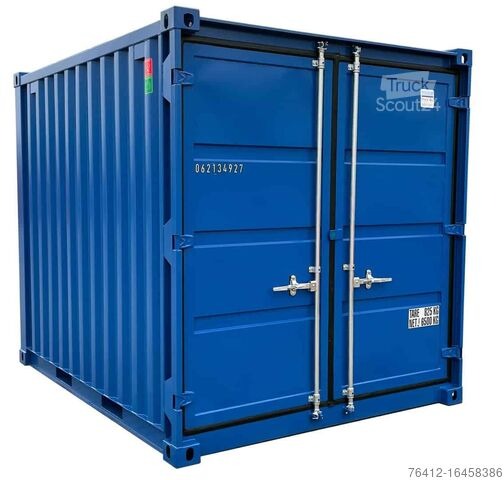
A container home is a residential structure built primarily from one or more standard shipping containers—the 20‑foot (6 m) and 40‑foot (12 m) steel boxes that travel the world on cargo ships, trains and trucks. The containers are cut, welded, insulated and finished just like any other building material, but they bring a few unique characteristics to the table:
| Feature | Shipping Container | Conventional Brick/Block |
|---|---|---|
| Structural material | High‑grade Corten steel (corrugated) | Fired clay bricks or concrete blocks |
| Load‑bearing capacity | 2 800 kg per 1 m² (≈ 6 000 lb/ft²) | 1 500 kg per 1 m² (≈ 3 200 lb/ft²) |
| Off‑site fabrication | 90 % pre‑fabricated, shipped ready‑to‑assemble | 30‑40 % prefabricated, rest on‑site |
| Typical lifespan | 20‑30 years (with proper maintenance) | 50‑100 years (depending on materials) |
| Carbon footprint | Reuses existing steel → 75 % less embodied CO₂ than new build | New material production → higher embodied CO₂ |
Because the containers are already structurally sound, you can stack them, cut out large windows, or even combine them into multi‑story homes without needing a separate frame. The result is a fast, modular, and often more affordable way to own a house—provided you understand the UK‑specific rules and practicalities.
2. Why Consider a Container Home in the United Kingdom?
| Reason | What It Means for You |
|---|---|
| Speed of construction | A basic 2‑container bungalow can be weather‑tight within 8‑12 weeks, compared with 6‑12 months for a conventional build. |
| Cost efficiency | Average build cost: £1 250‑£1 800 per m² versus £2 000‑£2 800 per m² for traditional bricks. |
| Sustainability | Up to 80 % of the steel can be recycled; you’re also reducing demand for new timber, concrete and bricks. |
| Design flexibility | Stack, rotate, or combine containers to create lofts, open‑plan living, or even a tiny‑house on wheels. |
| Portability | If you need to relocate (e.g., a job move), the whole house can be lifted onto a trailer and moved, subject to road‑legal dimensions. |
| Planning-friendly | Many local authorities treat container homes as “temporary structures” under 30 m², meaning they can be built without a full planning permission—if they meet specific criteria (see Section 4). |
The UK market is seeing a surge in micro‑home schemes, co‑living projects, and urban infill developments where land is scarce and building speed is crucial. Container homes fit neatly into these trends.
3. Popular Types of Container Homes
Below is a quick list of the most common configurations you’ll encounter:
- Single‑Container Studio – Ideal for a one‑person micro‑home or a guest cottage.
- Twin‑Container Bungalow – Two containers placed side‑by‑side, often with a small mezzanine.
- Stacked Duplex – One container on top of another, giving a two‑storey layout.
- L‑Shaped Family Home – Three or four containers forming an L with a central courtyard.
- Container Caravan – A fully mobile home on a trailer, complying with the Caravan Sites and Control of Development Regulations 1997.
Each type can be customized with extra insulation, skylights, internal partitions, and external cladding (wood, fiber‑cement, or a simple painted finish).
4. Planning Permission & Legal Basics
Even though container homes are modular, they are still subject to the UK’s planning system. Here’s what you need to verify before you order your steel box:
| Requirement | Typical Threshold | What You Must Do |
|---|---|---|
| Planning permission | ≤ 30 m² (single‑storey) and classified as a “temporary structure” | Submit a Household Goods Scheme (HGS) or Small‑scale development application; many councils waive full permission. |
| Building Regulations | No size exemption | Obtain a Certificate of Compliance for structural stability, fire safety, insulation, and ventilation. |
| Party Wall Act | If you’re building close to a neighbour’s wall (within 2 m) | Serve a Party Wall Notice and negotiate an agreement. |
| Road & Highway Regulations | For mobile container homes over 2.5 m wide | Secure a Special Transport Permit from the DVLA for moving the home. |
| National Standards | Must adhere to BS 1088 (steel containers) and BS EN 1991‑1‑4 (wind loads) | Provide documentation from the supplier confirming compliance. |
Pro tip: Many UK councils (e.g., Bristol City Council, Manchester City Council) have published “Container‑Home Design Guides” that outline the exact documentation they expect. Download those PDFs early to save time and avoid costly revisions.
5. Understanding Space: Container Sizes & Floor Area
| Container Size | Exterior Dimensions (L × W × H) | Internal Floor Area (approx.) | Typical Use |
|---|---|---|---|
| 20‑foot (1 × 2) | 6 m × 2.44 m × 2.59 m | 13.9 m² | Studio, office, bathroom block |
| 40‑foot (1 × 4) | 12 m × 2.44 m × 2.59 m | 27.9 m² | Main living area, kitchen, bedroom |
| 45‑foot (1 × 4.5) | 13.6 m × 2.44 m × 2.59 m | 31.5 m² | Small family home, open‑plan layout |
| Dual‑stack (2 × 1) | 12 m × 2.44 m × 5.18 m | 55.8 m² | Two‑storey duplex or lofted space |
Figures assume a standard 150 mm internal wall thickness after cutting and welding.
When you start sketching, think about how many containers you need for the rooms you want, and whether you’ll need extra foundation (concrete slab, steel piers, or a timber frame) to support the weight.
6. Cost Breakdown: Container Home vs. Traditional Build
| Cost Item | Container Home (per m²) | Conventional Brick Build (per m²) |
|---|---|---|
| Base Structure | £350‑£500 | £800‑£1 000 |
| Insulation & Cladding | £150‑£250 | £200‑£300 |
| Electrical & Plumbing | £120‑£180 | £150‑£250 |
| Foundations | £100‑£150 (depending on ground) | £200‑£300 |
| Professional Fees (architect, engineer) | £80‑£120 | £120‑£180 |
| Contingency (10 %) | £80‑£120 | £150‑£200 |
| Total | £880‑£1 500 | £2 200‑£2 800 |
Based on a 50 m² home, data compiled from 2023‑2024 UK projects.
The savings come mainly from the pre‑fabricated steel shell and reduced on‑site labour. However, you must budget for specialist welding and insulation—these are crucial to avoid condensation and meet Building Regulations.
7. Step‑by‑Step Checklist: Building Your Container Home
- Define Your Vision
- Sketch a rough floor plan.
- Decide how many containers you need and whether you’ll stack or side‑by‑side.
- Site Survey & Soil Test
- Confirm ground bearing capacity.
- Identify any flood‑risk (check the Environment Agency’s flood map).
- Secure Planning & Building Approvals
- Submit a planning application (if required).
- Register a Building Control submission with your local authority.
- Select a Supplier & Order Containers
- Choose a reputable dealer with BS 1088 certification.
- Request a pre‑delivery inspection report (no dents, rust‑free).
- Design the Structural Modifications
- Hire a structural engineer to design cuts for windows/doors and to calculate reinforcement.
- Arrange Foundations
- Decide between a concrete slab, screw piles, or a timber deck.
- Transport & Placement
- Hire a crane or forklift for on‑site placement.
- Ensure the container is level and anchored (usually with anchor bolts).
- Cutting, Welding & Insulation
- Perform all openings in a workshop.
- Apply spray foam or rigid board insulation on interior walls and roof.
- Internal Fit‑Out
- Install plumbing, electrical wiring, HVAC (often a mini‑split heat pump).
- Finish walls with plasterboard, drywall, or exposed metal depending on aesthetics.
- External Cladding & Landscaping
- Add timber cladding, render, or keep the original corrugated steel painted.
- Landscape the perimeter for drainage and aesthetic appeal.
- Final Inspection & Certification
- Schedule a Building Control inspection.
- Receive your Completion Certificate and move in!
8. Benefits of Going Container
- Speed: From foundation to finish in under 4 months for a 2‑container home.
- Affordability: Up to 45 % cheaper than a conventional build of the same size.
- Eco‑Friendly: Recycles existing steel; reduces waste.
- Design Freedom: Modular stacking allows creative layouts.
- Mobility: Possibility to relocate the entire structure.
9. Challenges to Keep in Mind
- Thermal Performance: Steel conducts heat; you’ll need high‑quality insulation and airtight detailing.
- Condensation Risk: Proper vapor barriers and ventilation are essential.
- Corrosion: If you plan to keep the external steel exposed, regular maintenance (painting, anti‑rust treatment) is a must.
- Resale Perception: While popularity is rising, some buyers still view container homes as niche.
- Council Variability: Some local authorities are less familiar with container homes, potentially leading to longer approval times.
10. Frequently Asked Questions (FAQ)
| Question | Answer |
|---|---|
| Do I need planning permission for a container home? | If the total floor area is 30 m² or less and you classify it as a temporary structure, many councils waive full planning permission. For larger homes, you will generally need a standard planning application. |
| How much does a 40‑foot container cost? | A new 40‑foot container in the UK typically ranges from £2 500‑£3 500 (basic, no modifications). Fully refurbished, insulated and fitted units can cost £10 000‑£15 000 depending on finish level. |
| Can I place a container home on a garden plot? | Yes, provided you have a building permit and the ground can support the load. You’ll need a foundation (concrete slab or piers) approved by the building control body. |
| What insulation works best? | Closed‑cell spray foam provides both high R‑value (R‑6‑R‑7 per inch) and an airtight seal. Rigid phenolic or PIR board is also popular for interior walls. |
| Is a container home fire‑safe? | Steel frames have a high fire‑resistance rating. However, interior finishes (drywall, timber cladding) must meet BS 476 fire‑safety standards, and you’ll need smoke detectors and proper escape routes. |
| Can I add a garden or green roof? | Absolutely. A flat roof can support a lightweight green roof system (≈ 30 kg/m²). For a garden, lay a permeable deck over the slab and add planting beds. |
| What is the lifespan of a container home? | With regular maintenance (repainting, checking for rust), a steel structure can last 30‑50 years or more, comparable to traditional homes. |
| Are there financing options? | Some specialist lenders offer green mortgages for modular homes, and the UK government’s “Future Homes Standard” may provide incentives for energy‑efficient builds. Check with your mortgage broker for “self‑build” loan possibilities. |
| Do I need a professional architect? | For simple layouts, a designer‑builder can handle the drawings, but for stacked or multi‑storey structures a licensed architect is advisable to satisfy building control requirements. |
| Can I rent out a container home? | Yes, provided it meets the same health‑and‑safety standards as any rented property. Some investors use container homes for short‑term holiday lets due to their novelty factor. |
11. Final Thoughts
You’ve just walked through the entire landscape of container homes in the UK—from the steel box that starts it all, through planning, budgeting, and the hands‑on build process, right up to the benefits, challenges, and the most common queries.
If speed, cost‑efficiency, and environmental impact sit high on your priority list, a container home could be the perfect answer. The key to success lies in early research, clear communication with your local council, and partnering with experienced engineers who understand both steel construction and British Building Regulations.
When you finally step across the threshold of your new steel‑framed haven, you’ll be living proof that a shipping container isn’t just a cargo carrier—it’s a modern, adaptable home that fits perfectly into today’s fast‑moving, sustainability‑driven world.
Ready to start sketching? Grab a ruler, a piece of graph paper, and begin measuring the space you want to call home. The next great British address could very well be measured in metres, not bricks.
Happy building!