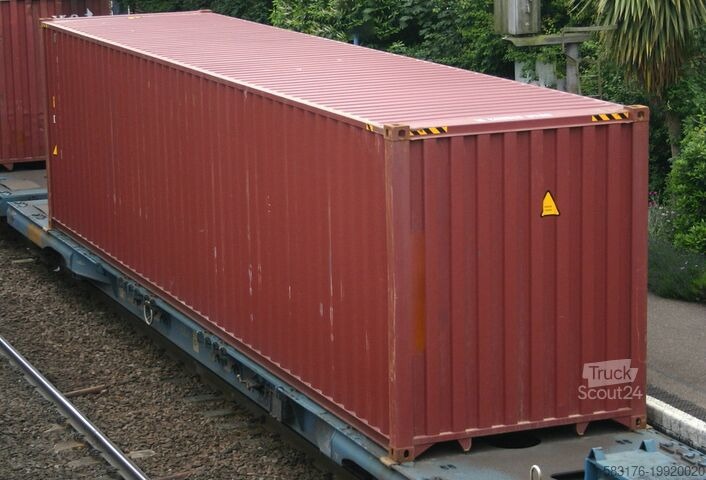
Containers for Sale Near Me – Your Complete Guide to Finding the Right Unit Fast
Whether you’re a DIY‑enthusiast building a backyard office, a small business needing extra storage, or a farmer looking for a rugged feed bin, the phrase “containers for sale near me” appears in your Google bar far more often than you’d expect. The good news? Modern shipping containers have become versatile, affordable, and easy to procure locally.
In this post you’ll learn:
- What types of containers exist and which one fits your project.
- How to locate reputable sellers in your area (including a handy table of typical sources).
- What to inspect before you sign the contract – from structural integrity to paperwork.
- Real‑world price ranges and budgeting tips.
- FAQs that answer the most common doubts.
Grab a notebook, because by the end you’ll be ready to walk into a local yard, call a dealer, or click “Buy Now” with confidence.
1. Why Buying Locally Beats Shipping From Far Away
| Benefit | Buying Locally | Buying Online & Shipping |
|---|---|---|
| Delivery Time | Same‑day or next‑day drop‑off possible | 2‑6 weeks (plus customs, if overseas) |
| Transportation Cost | Usually bundled in the price, often free local haul | Freight fees can add 20‑40 % of container cost |
| Inspection | You can walk the lot, open doors, check for rust or dents | You rely on photos; hidden damage may surface later |
| Support & Service | Local dealer can help with modifications, permits, and after‑sales service | Limited support; you may need a third‑party contractor |
| Resale Value | Easier to find a buyer in the same region | Buyers often prefer locally‑sourced units |
When you search “containers for sale near me,” you’re essentially asking for convenience, speed, and peace of mind. The table above makes the advantage crystal clear.
2. The Main Types of Containers You’ll Encounter
| Container Type | Typical Dimensions (L × W × H) | Load Capacity | Common Uses | Approx. Price (USD) |
|---|---|---|---|---|
| Standard 20‑ft Dry Container | 20 ft × 8 ft × 8.5 ft | 28,000 lb (max) | Storage, pop‑up shops, tiny homes | $1,800‑$3,200 (used) |
| Standard 40‑ft Dry Container | 40 ft × 8 ft × 8.5 ft | 58,000 lb (max) | Large‑scale inventory, workshops | $2,500‑$4,500 (used) |
| High‑Cube 40‑ft Container | 40 ft × 8 ft × 9.5 ft | Same as standard 40‑ft | Extra‑tall interior for machinery | $3,000‑$5,500 (used) |
| Reefer (Refrigerated) Container | 20‑ft or 40‑ft (same dimensions) | Same as dry, but with cooling unit | Food transport, pharma storage | $5,000‑$9,000 (used) |
| Open‑Top Container | 20‑ft or 40‑ft | Same as dry | Loading of oversized cargo (e.g., logs) | $2,800‑$4,500 (used) |
| Flat‑Rack Container | 20‑ft or 40‑ft (no side walls) | 45,000‑55,000 lb | Heavy machinery, steel beams | $3,500‑$6,500 (used) |
| Modified/Insulated Container | Custom sizes, often 20‑ft | Varies | Offices, shelters, workshops with climate control | $4,000‑$8,000 (new) |
All prices are indicative of used units in good condition; brand‑new containers can cost 30‑50 % more.
Quick Decision Checklist
- Size matters – Do you need the footprint of a 20‑ft unit or the volume of a high‑cube 40‑ft?
- Climate control – If you’ll store perishable goods, a reefer or insulated unit is non‑negotiable.
- Door configuration – Double doors, sliding doors, or a swing door? Choose what best fits your workflow.
- Structural modifications – Cutting windows or adding insulation may affect resale value.
3. Where to Find Containers Near You
Below is a representative list of the most common local sources. Adapt the entries to your city or region by swapping in the names of nearby dealers, salvage yards, and municipal auctions.
| Source | Typical Inventory | Contact Method | Delivery Options | Notes |
|---|---|---|---|---|
| Local Container Yard (CY) | 20‑ft, 40‑ft dry & high‑cube, open‑top | Phone/Website | On‑site loading, local truck hire | Best for bulk purchases; can see all units in one lot |
| Construction & Demolition (C&D) Recycling Center | Used & slightly damaged containers, often at a discount | Walk‑in or phone | Usually self‑haul, some yards offer paid haul | Great for “as‑is” bargains; inspect for rust |
| Municipal Auctions | Government‑owned surplus containers | Online bidding platform | Winners arrange own transport | Prices can drop below $1,500 for a 20‑ft unit |
| Truck‑Stop Retailers (e.g., Pilot, Love’s) | Small stock of 20‑ft containers, sometimes on‑site sales | In‑person at store | Free local delivery up to 25 mi | Convenient if you’re on a road trip |
| Specialty Container Brokers | Mixed inventory, often with customization services | Email/Website form | Nationwide haul, usually with a fee | Useful if you need modifications before delivery |
| Online Marketplaces (e.g., Craigslist, Facebook Marketplace) | Individuals selling personal containers | Direct message | Owner‑arranged haul or you rent a truck | Riskier; verify VIN and condition before payment |
Pro tip: Always ask for the container’s ISO 8775 “Container Identification Number” (CIN). This 11‑character code (e.g., MSCU 123456‑7) tells you the owner, construction year, and traceability.
4. How to Inspect a Used Container Before Purchase
A container may look pristine from the outside, but hidden damage can turn a bargain into a nightmare. Follow this step‑by‑step checklist when you walk the lot:
- Exterior Shell
- Look for rust patches larger than 1 sq in. Small surface rust is normal; deep corrosion compromises structural integrity.
- Check corner castings (the “C‑type” and “U‑type” fittings) for cracks or missing bolts.
- Doors & Gaskets
- Open and close each door three times. It should glide smoothly without sticking.
- Inspect rubber seals for cracks, tears, or missing sections.
- Floor Condition
- Walk the floor, tapping in several places. A hollow sound can indicate water damage or a compromised deck.
- Look for oil stains or heavy rust that could weaken the wood or steel floorboards.
- Interior Walls & Roof
- Shine a flashlight to spot pitting, dents, or holes that could let water in.
- Verify the presence of ventilation openings if you plan to use the unit as a workshop.
- Documentation
- Request the original purchase invoice and any maintenance records.
- Verify the VIN (CIN) with an online container registry (e.g., ContainerWorld.com).
- Legal Checks
- Confirm that the seller holds a clear title—no liens or outstanding customs duties.
- In some states, you may need a local permit to place a container on a residential lot; ask the seller for guidance.
If any red flags appear, negotiate a price reduction or walk away. Remember: you’re buying a piece of structural steel; a few thousand dollars in repair can quickly erode any discount.
5. Budgeting: How Much Should You Expect to Pay?
Below is a simple budget table that breaks down expected costs for a typical 20‑ft dry container purchase, including optional add‑ons.
| Cost Item | Low End | High End | Comments |
|---|---|---|---|
| Base Container (used) | $1,800 | $3,200 | Condition, age, and location affect price |
| Delivery (0‑25 mi) | $0 (free) | $300 | Many yards offer free local haul; otherwise ~ $10‑$15 per mile |
| Modifications (e.g., windows, insulation) | $500 | $2,500 | Depends on complexity and material |
| Permits & Site Prep | $100 | $800 | Varies by municipality |
| Insurance (annual) | $150 | $400 | Recommended for high‑value contents |
| Total (approx.) | $2,550 | $7,200 | Use as a starting point for your quote |
If you need a 40‑ft high‑cube with refrigeration, multiply the base price by roughly 2.5–3 and add $2,000‑$4,000 for the cooling unit.
6. Common Uses & Creative Ideas
- On‑site Storage – Stash tools, spare parts, or seasonal equipment.
- Mobile Office – Add insulation, lighting, and a small HVAC unit to create a compact workspace.
- Pop‑up Retail – Turn a container into a boutique or coffee stand at festivals.
- Tiny Home – With proper interior finishing, a 20‑ft container can house a comfortable studio.
- Workshop – Install workbenches, power outlets, and a utility sink for a garage‑style environment.
- Agricultural Bin – Use an open‑top or flat‑rack container for grain, feed, or equipment.
The sky’s the limit once you know where to get a solid, affordable shell.
7. Frequently Asked Questions
Q1: How do I know if a container is “ISO‑certified”?
A: Every standard shipping container carries an ISO 8775 certification number printed on the side. The 11‑character code (owner code + equipment category + serial number + check digit) confirms it meets international standards.
Q2: Can I legally place a container on my residential property?
A: Most jurisdictions allow containers on private land, but you may need a building permit or zoning clearance. Check with your city planning department and verify setback requirements (distance from property lines).
Q3: What’s the difference between a “dry” and a “reefer” container?
A: A dry container is an insulated steel box with no active cooling. A reefer has a built‑in refrigeration unit, insulated walls, and a power supply. It’s essential for perishable goods.
Q4: How long does a container last?
A: With proper maintenance, a steel container can exceed 30 years. Corrosion, repeated impacts, and neglect will shorten its lifespan.
Q5: Do I need a forklift to unload a container?
A: Not necessarily. For a 20‑ft container, a hand pallet jack can move items up to ~2,000 lb. Larger loads may require a forklift or crane.
Q6: Are there eco‑friendly options?
A: Yes! Many companies refurbish used containers, applying low‑VOC paints and recycled insulation. Buying a repurposed unit reduces waste compared to buying new steel.
Q7: What financing options exist?
A: Some container yards partner with equipment leasing firms that offer 12‑ to 60‑month payment plans. Credit unions and small‑business banks also provide loans for commercial‑grade containers.
8. Taking Action: Your Step‑by‑Step Roadmap
- Define Your Project – Write down size, type, and any required modifications.
- Search Locally – Use Google with the phrase “containers for sale near me” plus your city name. Bookmark at least three dealers.
- Contact & Quote – Call each seller, ask for the CIN, condition report, and delivery cost.
- Schedule a Visit – Inspect the container using the checklist above.
- Negotiate – Use any minor defects to request a discount or free delivery.
- Secure Permits – Submit any required paperwork to your municipality.
- Arrange Transport – If the seller offers free local haul, schedule a date; otherwise rent a truck (e.g., a 12‑ton flatbed).
- Finalize Purchase – Sign a simple Bill of Sale, keep a copy of the VIN, and store all documents.
- Add Modifications – Work with a local contractor or DIY yourself; ensure changes don’t void any warranty.
- Enjoy Your New Container – Whether it’s a workspace, storage hub, or tiny home, you now own a versatile, durable asset.
9. Final Thoughts
Finding containers for sale near you isn’t just about hunting down a cheap steel box; it’s about aligning the right size, condition, and local support with your project’s timeline and budget. By leveraging local yards, inspecting meticulously, and understanding the price structure, you eliminate the guesswork that often accompanies online purchases.
Remember: a container is a long‑term investment. Treat it like a piece of real estate – protect it from rust, secure the proper permits, and document everything. When you do, you’ll enjoy a flexible, low‑maintenance space that can evolve with your needs for decades to come.
Ready to start? Open your favorite search engine, type “containers for sale near me + [Your City]”, and put the checklist above to work. Your perfect container is waiting just around the corner.
Happy building, storing, and creating!