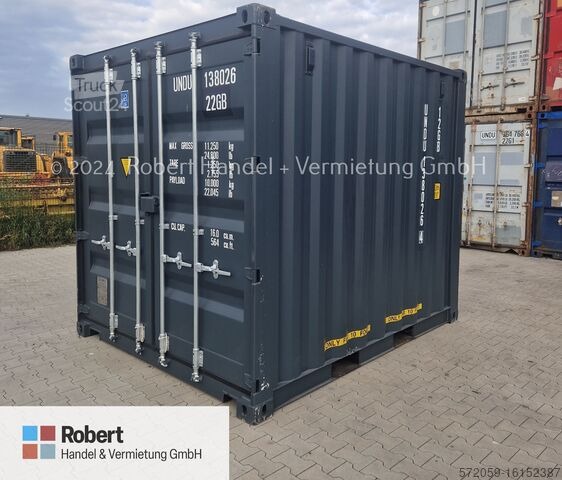
How to Purchase a Shipping‑Container Home: The Complete Guide for First‑Time Buyers
If you’ve ever imagined a modern, eco‑friendly house that can be built in weeks rather than months, a shipping‑container home might be the answer. The idea of turning a steel box that once carried cargo into a comfortable, stylish living space has moved from “hipster novelty” to a mainstream housing option. In this post you’ll learn exactly what to look for, how to budget, which steps to follow, and where to avoid costly pitfalls—all written in the second‑person voice so you can picture yourself making the purchase today.
1. Why a Shipping‑Container Home Might Be Right for You
| Benefit | What It Means for You |
|---|---|
| Speed of construction | A typical 40‑ft container can be turned into a livable unit in 4‑8 weeks, versus 6‑12 months for a conventional home. |
| Reduced materials waste | The container itself is recycled steel; you’ll use far less new lumber, drywall, and insulation. |
| Lower carbon footprint | Steel is 100 % recyclable and the modular design reduces on‑site energy consumption. |
| Design flexibility | Stack, combine, or cut openings to create custom floor plans—no two container homes look alike. |
| Potential cost savings | When built wisely, total expenses can be 20‑40 % less than a traditional house of comparable size. |
If any of these points line up with your priorities—speed, sustainability, or cost—keep reading. The rest of the guide walks you through the exact process of turning a steel box into a dream home.
2. Step‑by‑Step Roadmap to Buying Your Container Home
Below is a practical checklist you can print out and tick off as you move forward.
- Define Your Vision
- Desired square footage (e.g., 800 sq ft = two 40‑ft containers).
- Number of bedrooms, bathrooms, and any special spaces (home office, studio).
- Preferred layout: side‑by‑side, stacked, or L‑shaped.
- Set a Realistic Budget
- Use the cost table in Section 3 to estimate base container price, modifications, permits, and contingency.
- Remember to add financing, insurance, and utility hookup costs.
- Research Local Zoning & Building Codes
- Contact your city planning office.
- Determine if a “modular” or “manufactured” classification applies.
- Check setback, height, and foundation requirements.
- Choose a Procurement Path
- Buy a pre‑fabricated “container home kit” (complete design, often with warranty).
- Purchase a raw container and hire a local contractor for conversion.
- Partner with a specialty builder who can handle both purchase and construction.
- Inspect the Container(s)
- Look for rust, dents, and structural integrity.
- Verify ISO rating (ISO 1‑standard containers are highest quality).
- Ask for a container condition report—many vendors provide it for a small fee.
- Finalize Design & Get Professional Drawings
- Work with an architect or a design‑‑build firm experienced in container structures.
- Ensure plans include insulation, ventilation, and electrical layout compliant with code.
- Obtain Permits & Approvals
- Submit architectural drawings, site plan, and structural calculations.
- Anticipate a 2‑6 week review period; include this timeline in your overall schedule.
- Arrange Financing
- Traditional mortgages often require a “manufactured home” clause; alternatively, consider a construction loan or personal line of credit.
- Some lenders treat container homes like tiny‑home loans—shop around for the best rate.
- Place Your Order & Schedule Delivery
- Confirm dimensions, paint color, and any pre‑installed windows/doors.
- Arrange a crane‑lift and foundation work (concrete slab, piers, or steel frame).
- Monitor Construction & Perform Inspections
- Conduct rough‑in inspections for plumbing, electrical, and insulation.
- Perform a final walk‑through before signing off on the builder’s completion certificate.
- Move In & Maintain
- Set up humidity control (dehumidifiers are useful in steel structures).
- Schedule annual rust‑checks and repainting where needed.
3. Budget Breakdown: What You’re Actually Paying For
| Expense Category | Typical Cost (USD) | Notes & Tips |
|---|---|---|
| Raw 40‑ft container | $2,500 – $4,500 | New, ISO‑rated containers cost more; used ones may have hidden damage. |
| Container modification | $15,000 – $45,000 | Includes cutting openings, reinforcing structure, adding doors/windows. |
| Foundation | $5,000 – $15,000 | Concrete slab is cheapest; pier or steel frame adds cost but offers flexibility. |
| Insulation & Interior Finishes | $10,000 – $25,000 | Spray‑foam is most efficient; consider eco‑friendly options like cork. |
| Utilities (plumbing, electrical, HVAC) | $8,000 – $20,000 | Plan early to avoid re‑routing; modular “plug‑and‑play” kits can reduce labor. |
| Permits & Fees | $1,500 – $4,000 | Varies dramatically by municipality; always verify before building. |
| Design & Engineering | $2,000 – $8,000 | A licensed architect can save you money on compliance issues. |
| Contingency (10‑15 % of total) | $5,000 – $12,000 | Protects against unexpected rust, soil issues, or code changes. |
| Total (2‑container home) | $49,000 – $128,000 | The wide range reflects location, finish level, and whether you DIY or hire a pro. |
Pro tip: If you’re on a tight budget, start with a single‑container “core” and add a second container later as finances allow. This staged approach spreads costs over time while still giving you a functional living space early on.
4. Customization Options: Making the Box Your Own
Below is a quick‑reference list of popular upgrades. Choose the ones that matter most to your lifestyle and budget.
- Exterior Paint & Cladding – Powder‑coated steel, wood panels, or metal sidings.
- Large Panoramic Windows – Floor‑to‑ceiling glazing for natural light (requires structural reinforcement).
- Roof Terrace – Add a flat roof deck for outdoor living; includes waterproof membrane and railings.
- Lofted Bedroom – Cut an opening, add a staircase, and install a mezzanine for extra sleeping space.
- Smart Home Integration – Central thermostat, security cameras, and automated lighting.
- Off‑Grid Energy – Solar panels, battery storage, and a backup generator.
- Rainwater Harvesting – Gutters, storage tank, and filtration system for irrigation or non‑potable use.
When you select upgrades, track them in a feature matrix so you can compare cost vs. impact.
| Feature | Estimated Additional Cost | Impact on Lifestyle |
|---|---|---|
| Powder‑coat exterior | $1,500 – $3,000 | Low‑maintenance, longer lifespan |
| 8‑ft sliding glass wall | $5,000 – $9,000 | Increased daylight, visual connection to outdoors |
| Roof deck with railing | $3,000 – $7,000 | Extra outdoor living area |
| 5 kW solar array | $12,000 – $18,000 | Reduces electricity bills, off‑grid capability |
| Smart thermostat & sensors | $500 – $1,200 | Improves energy efficiency, convenience |
5. Legal & Zoning Checklist (Quick Reference)
| Requirement | Action Needed |
|---|---|
| Zoning classification | Verify that your lot permits “manufactured” or “modular” dwellings. |
| Setback distances | Measure distance from property lines; usually 10‑15 ft front, 5‑10 ft sides. |
| Height limits | Stacked containers may be limited to 12‑15 ft in many municipalities. |
| Foundation approval | Provide engineered drawings for slab or pier foundation. |
| Fire safety | Some codes require fire‑resistant insulation and interior wall coverings. |
| Energy efficiency | Check if local code mandates a minimum R‑value (e.g., R‑30 for walls). |
| Utility connections | Pre‑approval from water, sewer, and electric providers can speed up installation. |
Tip: Keep a digital folder with PDFs of every correspondence, permit application, and inspection report. This archive becomes invaluable if you sell the home later.
6. Financing a Shipping‑Container Home
Financing options have expanded as container housing gains legitimacy. Here’s a concise list of viable routes:
- Construction Loan – Short‑term (6‑12 months) loan that releases funds as milestones are met. Good for DIY builds.
- Home Equity Line of Credit (HELOC) – Leverage equity in an existing property; flexible repayment.
- Specialty Lenders – Companies such as “Green Mortgage Solutions” offer rates tailored to sustainable builds.
- Personal Loan – Unsecured, higher interest but quick approval; best for small‑scale projects (<$30k).
- Crowdfunding/Community Investment – If you’re building a co‑housing community, investors can fund the project in exchange for future rent shares.
When comparing offers, use the following comparison table to see which option fits your cash flow.
| Financing Type | Typical APR | Term Length | Pros | Cons |
|---|---|---|---|---|
| Construction loan | 4.5 % – 6.5 % | 12 months (interest‑only) | Low rate, funds released per phase | Requires detailed draw schedule |
| HELOC | 5 % – 7 % | Revolving (up to 20 years) | Flexibility, pay interest only on used amount | Must have sufficient home equity |
| Specialty lender | 3.5 % – 5 % | 15‑30 years | Green incentives, sometimes lower down payment | Limited availability, may need higher credit score |
| Personal loan | 8 % – 15 % | 2‑5 years | Fast approval, no collateral | Higher interest, lower borrowing limits |
| Crowdfunding | Variable | N/A | Community support, no traditional debt | Equity may dilute future profits |
7. Maintenance Essentials for Longevity
While a shipping‑container home is built to last, steel does need care. Here are routine tasks you should schedule:
- Quarterly: Inspect for rust, especially around weld seams, doors, and window frames. Touch up paint or apply rust‑inhibiting primer.
- Bi‑annual: Clean gutters and roof deck to avoid water pooling that can corrode metal.
- Annual: Check insulation integrity; spray‑foam can settle over time, reducing R‑value.
- Every 2‑3 years: Re‑seal any exterior penetrations (e.g., utility feed‑throughs) with silicone or EPDM rubber.
In addition, consider installing a dehumidifier in the living area, particularly if you live in a humid climate. Maintaining indoor humidity below 60 % prevents condensation on the steel walls.
8. Frequently Asked Questions (FAQs)
Q1: How long does it take from purchase to move‑in?
Answer: For a two‑container home with a pre‑designed kit, the timeline is typically 12‑16 weeks: 2 weeks for site preparation, 4‑6 weeks for container delivery and modification, and another 6‑8 weeks for interior finishes and inspections.
Q2: Are shipping‑container homes safe in high winds or earthquakes?
Answer: Yes, when properly anchored and reinforced. Steel frames have excellent tensile strength, and a well‑engineered foundation (piled or reinforced concrete) helps the structure resist lateral forces.
Q3: Can I add a garage or parking space?
Answer: Absolutely. Many owners attach a separate container as a garage, or build a detached carport using steel beams that match the aesthetic.
Q4: Do I need a special insurance policy?
Answer: Most standard homeowner policies can cover a container home, but you may need to disclose that the structure is modular. Some insurers offer “manufactured home” policies that include coverage for steel structures.
Q5: How does resale value compare to a conventional house?
Answer: Resale value depends heavily on location, design quality, and local market perception. In areas where sustainable housing is prized, container homes can appreciate at a rate comparable to traditional homes, especially if the build follows local codes and has high‑quality finishes.
Q6: Is it possible to expand the home later?
Answer: Yes. Because containers are modular, you can add another unit, raise a second story, or convert an existing space into a loft. The key is to plan the foundation and utilities with expansion in mind.
Q7: What are the best insulation options for a steel container?
Answer: Closed‑cell spray‑foam offers the highest R‑value (R‑6.5 per inch) and also acts as a vapor barrier, which is crucial for preventing condensation. Alternatives include rigid foam boards (polyiso, EPS) combined with interior drywall for a cost‑effective solution.
9. Final Thoughts: Turning a Steel Box into Your Dream Home
Purchasing a shipping‑container home is a multifaceted adventure that blends design creativity, logistical planning, and a commitment to sustainability. By following the roadmap outlined above—defining your vision, budgeting wisely, navigating permits, and selecting the right financing—you can avoid the common pitfalls that trip up many first‑time buyers.
Remember:
- Inspect every container before you sign a purchase agreement.
- Engage professionals early (architect, engineer, permitting specialist).
- Plan for expansion to keep future growth affordable.
- Maintain the steel regularly to protect your investment for decades.
When you finally step inside your completed container home—whether it’s a cozy 600‑sq‑ft studio or a spacious 1,200‑sq‑ft family residence—you’ll experience the satisfaction of living in a structure that’s as resilient and adaptable as you are.
Ready to start the journey? Grab a notebook, sketch your dream layout, and begin researching local container‑home suppliers today. The future of affordable, eco‑friendly housing is already here—you just have to claim it. Happy building!