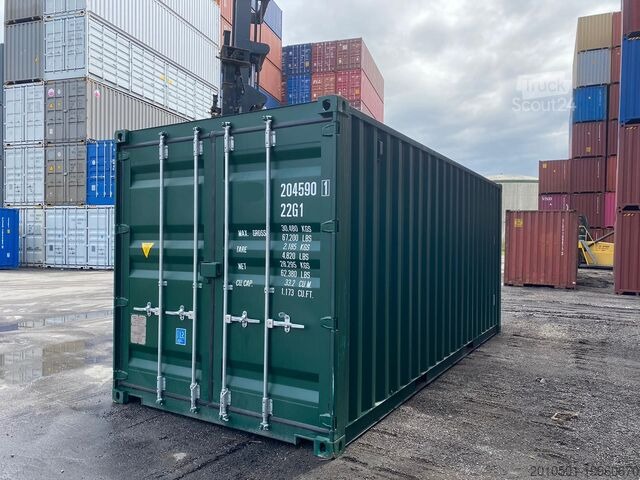
Container Homes in the UK: A Practical Guide for Aspiring Owners
If you’ve ever dreamed of living in a sleek, sustainable space that stands out from the ordinary, a container home could be the answer. In this long‑form guide we’ll walk you through everything you need to know—from design possibilities and budgeting to planning permission and long‑term maintenance. By the end, you’ll have a clear roadmap for turning a steel box into your perfect UK home.
1. Why Choose a Container Home?
| Benefit | What It Means for You | Typical Savings |
|---|---|---|
| Speed of construction | A typical 40‑ft container can be turned into a habitable space in 8‑12 weeks, compared with 6‑12 months for a conventional build. | Up to 30 % less time on site. |
| Eco‑friendliness | Re‑using shipping containers reduces waste and the demand for new building materials. | Roughly 20 % lower embodied carbon than a brick‑and‑mortar home of similar size. |
| Modular flexibility | You can stack, join, or detach modules as your needs change. | Future expansion costs are usually 15‑20 % lower. |
| Cost‑effectiveness | The raw container is inexpensive; much of the cost lies in fit‑out and services. | Average total build cost: £1,200‑£1,800 per sq m, versus £1,800‑£2,500 for a standard house. |
| Design freedom | Large, open interiors, high ceilings, industrial aesthetic. | N/A – aesthetic value is subjective but often higher than conventional builds. |
If any of these points resonates with you, a container home may align with both your lifestyle and your budget.
2. Understanding the Basics: What Is a Container Home?
A container home is a residential dwelling built from one or more steel shipping containers (ISO containers). The most common sizes are:
- 20‑ft container – 6 m long, 2.44 m wide, 2.59 m high (≈ 12 m² floor area).
- 40‑ft container – 12 m long, 2.44 m wide, 2.59 m high (≈ 24 m² floor area).
These boxes can be cut, welded, insulated, and finished just like any other building material. The end product can be a tiny studio, a family‑size home, or a part of a larger mixed‑use development.
3. Planning Permission & Building Regulations
3.1 Do You Need Planning Permission?
- Permitted Development Rights (PDR) – In England, many small‑scale garden sheds and outbuildings fall under PDR, but a container home used as a primary residence usually requires full planning permission.
- Listed Buildings & Conservation Areas – If your plot is in a heritage zone, you’ll definitely need permission and may have extra constraints on appearance.
3.2 Building Regulations
Even if planning is granted, the structure must meet UK Building Regulations (Approved Document A‑E). Key areas to check:
| Regulation | What It Covers | Typical Requirement for Containers |
|---|---|---|
| Structural stability (A) | Strength of walls, floors, roof. | Reinforced frames and additional steel bracing are common. |
| Fire safety (B) | Materials, escape routes, detection. | Fire‑rated insulation and doors; external cladding must meet BS 8414 fire test. |
| Ventilation (F) | Air quality, moisture control. | Mechanical ventilation with heat recovery (MVHR) is popular. |
| Thermal performance (L) | U‑values, insulation. | 2‑inch (≈ 50 mm) high‑performance insulation to achieve U ≤ 0.18 W/m²K. |
| Electrical & Plumbing (E, G) | Safe installations. | Must be carried out by registered electricians/plumbers and inspected. |
Tip: Work with a chartered architect or a specialist container‑home designer who knows how to navigate these rules. Early dialogue with your local council can save weeks of re‑design.
4. Budget Breakdown – What Will It Cost You?
Below is a realistic cost estimate for a two‑story, 80 sq m container home (four 40‑ft containers, partially cut and combined). All figures are in £ and represent 2025 prices.
| Item | Approx. Cost | Notes |
|---|---|---|
| Containers (raw) | £5,000 – £7,500 each | Price varies by condition (new vs. used) and supplier. |
| Structural modifications (cutting, welding, reinforcement) | £15,000 – £20,000 | Includes labor, steel plates, and engineering fees. |
| Insulation & internal cladding | £12,000 – £15,000 | High‑performance spray foam or rigid board plus drywall/plasterboard. |
| External façade (weatherproofing, cladding) | £8,000 – £12,000 | Options: timber slats, corrugated steel, or brick veneer. |
| Windows & doors | £6,000 – £9,000 | Double‑glazed, uPVC or timber frames. |
| Electrical & plumbing | £10,000 – £14,000 | Includes circuit board, fixtures, hot water system. |
| Heating & ventilation | £7,500 – £10,000 | MVHR unit, underfloor heating, or air‑source heat pump. |
| Finishes (kitchen, bathroom, flooring) | £12,000 – £18,000 | Appliances, tiles, cabinets, lighting. |
| Professional fees (architect, engineer, surveyor) | £8,000 – £12,000 | Usually 5‑10 % of total build cost. |
| Contingency (10 % of total) | £8,000 – £12,000 | Buffer for unexpected issues. |
| Total (approx.) | £92,500 – £130,000 | Roughly £1,150‑£1,600 per sq m. |
These numbers are a guide; your actual spend will depend on site specifics, finish choices, and the number of containers used.
5. Designing Your Container Home – Key Considerations
5.1 Layout Tips
- Open‑Plan Living – The strength of a container lies in its long, uninterrupted spans. Remove interior walls to create a spacious living area.
- Vertical Stacking – Stack containers for extra bedrooms or a loft. Remember to add staircases or ladders that meet building codes.
- Natural Light – Incorporate large roof windows or skylights to counteract the steel’s thermal mass and avoid a “boxy” feel.
- Outdoor Integration – Pair a container home with a deck, pergola, or garden room to soften the industrial aesthetic.
5.2 Materials & Finishes
| Feature | Recommended Option | Why It Works |
|---|---|---|
| Insulation | Spray‑foam (closed cell) | Excellent R‑value, fills irregular spaces. |
| Internal walls | Gypsum board over timber studs | Easy to finish; fire‑rated. |
| Flooring | Engineered hardwood or polished concrete | Durable, moisture‑resistant. |
| Exterior cladding | Timber slats with breathable membrane | Provides warmth, blends with UK countryside. |
| Roof | Standing‑seam metal with solar PV | Light, long‑life, integrates renewable energy. |
5.3 Sustainability Add‑Ons
- Solar photovoltaic panels – Small‑scale roofs can generate 2‑4 kW, enough for basic household consumption.
- Rainwater harvesting – Easy to integrate with existing gutters; useful for garden irrigation and toilet flushing.
- Compost toilets – Reduce water use, especially attractive for off‑grid sites.
6. Real‑World Examples in the UK
| Project | Location | Size (sq m) | Number of Containers | Highlights |
|---|---|---|---|---|
| The Cube | Manchester | 30 | 2 (20‑ft) | Minimalist studio, rooftop garden, fully insulated. |
| The Port House | Hull | 120 | 5 (40‑ft) | Family home with a mezzanine, timber façade, solar roof. |
| Tide House | Cornwall | 85 | 3 (40‑ft) | Coastal design, sea‑water heat pump, reclaimed timber interior. |
| Urban Loft | London (Hackney) | 45 | 2 (40‑ft) + 1 (20‑ft) | High‑spec finishes, open‑plan, close to tube station. |
These projects demonstrate the versatility—from compact urban studios to spacious rural retreats.
7. Common Challenges and How to Overcome Them
| Challenge | Solution |
|---|---|
| Condensation & Moisture | Use a continuous vapor barrier, high‑performance insulation, and install MVHR to maintain indoor humidity. |
| Corrosion of Steel | Apply a galvanised primer and a durable external paint system; regular inspections keep rust at bay. |
| Acoustic Insulation | Add acoustic batts within internal walls and consider double‑glazed windows. |
| Financing | Approach specialist lenders or use self‑build mortgages; many banks view container homes as “alternative housing” but are increasingly supportive. |
| Resale Value | Choose timeless external finishes (e.g., timber or brick veneer) and ensure full compliance with regulations; a well‑designed container home can attract the same market as a conventional property. |
8. Step‑by‑Step Checklist: From Idea to Move‑In
- Define your brief – Size, budget, location, number of occupants.
- Secure a plot – Check land ownership, ground conditions, and access rights.
- Engage a specialist designer – Preferably someone with ISO‑container experience.
- Pre‑planning consultation – Meet the local council to gauge any objections early.
- Obtain planning permission – Submit drawings, structural calculations, and fire‑safety statements.
- Select a container supplier – Compare price, condition, and delivery logistics.
- Arrange financing – Get a mortgage quote, explore government grants for sustainable homes.
- Commission structural modifications – Cutting, welding, reinforcement.
- Fit-out and services – Insulation, electrical, plumbing, heating, finishes.
- Final inspection & certification – Building Control sign‑off, EPC rating.
- Move in! – Celebrate your new, eco‑friendly haven.
9. Frequently Asked Questions (FAQ)
Q1: Can I live in a container home while it’s still under construction?
A: No. Until the building has passed the final Building Control inspection and received a Certificate of Completion, it is not legally habitable.
Q2: How long does a container home last?
A: With proper maintenance (regular painting, corrosion checks, and roof inspections), a steel container can easily exceed 50‑70 years, comparable to traditional houses.
Q3: Are container homes insulated enough for the UK climate?
A: Absolutely—provided you use high‑R‑value insulation and airtight detailing. Many owners report indoor temperatures comparable to standard builds when equipped with an efficient heating system.
Q4: Do I need a special insurance policy?
A: Most standard home insurance providers will cover a container home, but you may need to declare the construction method. Ask for a “self‑build” endorsement to avoid coverage gaps.
Q5: Can I add a loft or extra floor later?
A: Yes. The modular nature of containers makes vertical expansion straightforward. Just ensure the foundation and original structural design can bear the additional load—consult an engineer before starting.
Q6: What about utilities—can I connect to mains water, electricity, and gas?
A: Yes. Planning permission usually requires connection to local services. For off‑grid living, renewable options (solar PV, mini‑heat pumps, water tanks) are also viable.
Q7: Is it possible to rent out a container home?
A: Certainly. Many owners rent on short‑term platforms (Airbnb) or as long‑term let. Ensure you comply with local housing standards and fire safety for rental properties.
Q8: How does a container home affect my mortgage eligibility?
A: Self‑build mortgages are common for container homes. Lenders will assess the valuation, construction quality, and the builder’s credentials. Working with a recognized developer can smooth the process.
10. Final Thoughts – Is a Container Home Right for You?
If you’re drawn to speed, sustainability, and a distinctive aesthetic, a container home can be a rewarding venture. The key is diligent planning: secure the right plot, navigate the planning and building regulations early, and work with a specialist team that understands the quirks of steel construction.
When executed correctly, a container home not only meets the functional demands of modern living but also delivers a statement of environmental responsibility—a compact, stylish retreat that fits the UK landscape, whether you’re nestled in a rural valley or perched on an urban rooftop.
Ready to start? Grab a sketchpad, jot down your dream floor plan, and begin the conversation with a local architect. The steel box is waiting, and with a little ingenuity, it can become the home you’ve always imagined.
Happy building!