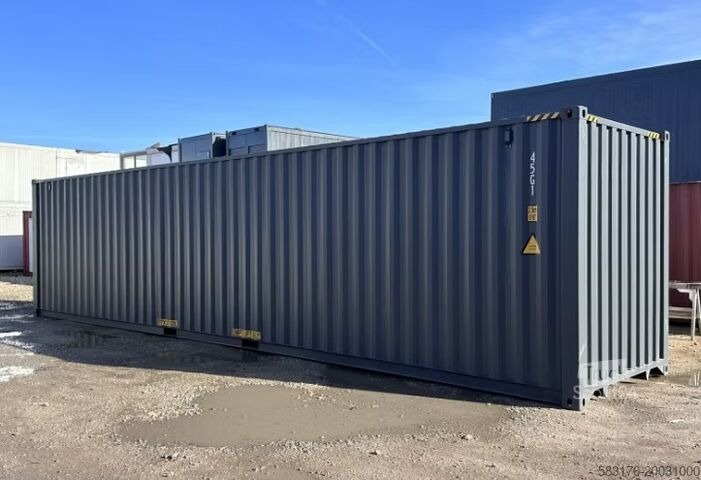
Containers for Sale: Your Complete Guide to Choosing, Buying, and Using Shipping Containers
If you’ve ever wondered how to turn a simple steel box into a profitable business asset, a cozy tiny home, or a secure storage solution, you’re in the right place. This guide walks you through everything you need to know about containers for sale, from the different types available to the best places to buy them, the factors you should evaluate, and how to get the most value out of your purchase.
1. Why Consider Buying a Shipping Container?
| Benefit | What It Means for You |
|---|---|
| Versatile | Turn it into a workshop, office, pop‑up shop, or a full‑time residence. |
| Durable | Made of Corten steel, containers resist rust, punctures, and harsh weather. |
| Secure | Heavy‑duty doors and lock systems provide a high level of security for valuable goods. |
| Cost‑Effective | Compared with building a conventional structure, a container can cost 30‑70 % less. |
| Rapid Deployment | A container is delivered ready‑to‑use; you can have a functional space within days. |
If any of those points resonate with you—whether you’re an entrepreneur looking for a low‑cost storefront, a homeowner needing extra storage, or a DIY‑enthusiast dreaming of a tiny house—purchasing a container could be the smartest move you make this year.
2. Types of Containers You’ll Find for Sale
| Type | Dimensions (L × W × H) | Typical Use Cases | Key Features |
|---|---|---|---|
| Standard 20‑ft Dry Container | 20 ft × 8 ft × 8.5 ft (6.06 m × 2.44 m × 2.59 m) | Small storage, portable workshops, modular add‑ons. | Lightweight, easy to transport, relatively inexpensive. |
| Standard 40‑ft Dry Container | 40 ft × 8 ft × 8.5 ft (12.19 m × 2.44 m × 2.59 m) | Larger storage, pop‑up stores, office spaces. | Double the floor space of a 20‑ft unit, still fits on most trailers. |
| High‑Cube 40‑ft Container | 40 ft × 8 ft × 9.5 ft (12.19 m × 2.44 m × 2.90 m) | Residential conversions, lofted workshops. | Extra 1 ft of interior height for standing room. |
| Reefer (Refrigerated) Container | Same as dry containers, with insulated walls & cooling unit | Food storage, pharma, temperature‑sensitive goods. | Integrated refrigeration, energy‑efficient. |
| Open‑Top Container | Same footprint as dry, roof removable | Bulk cargo (e.g., timber, machinery). | Easy loading from above, no roof panels. |
| Flat‑Rack Container | 20‑ft or 40‑ft, with collapsible sidewalls | Oversized cargo, vehicles, construction materials. | No side walls; only a platform. |
| Specialty Containers | Varies | Mobile clinics, command centers, art galleries. | Customized fittings, windows, doors, interior walls. |
Pro tip: If you plan to convert a container into a living space, the high‑cube version saves you a lot of headaches because the extra vertical clearance means you won’t need to lower the floor or build a mezzanine just to stand upright.
3. Where to Find Containers for Sale
3.1 Online Marketplaces
| Platform | Typical Price Range (USD) | Pros | Cons |
|---|---|---|---|
| eBay Motors | $1,600 – $7,500 (used) | Nationwide, auction & “Buy It Now” options | Variable condition, limited warranty |
| Shiply / uShip | $2,000 – $10,000 (new/used) | Shipping quotes integrated, flexible distances | Requires negotiating with transporters |
| ContainerAuction.com | $1,200 – $6,000 (used) | Bulk lots, auction format | Must read fine print on lot condition |
3.2 Dedicated Container Dealers
| Dealer | Location (US) | Offerings | Why Choose Them |
|---|---|---|---|
| CMA CGM Container Sales | Houston, TX | New 20‑ft/40‑ft dry, high‑cube, refrigerated | Direct from manufacturer, warranty options |
| Mighty Containers | Los Angeles, CA | Custom modifications (windows, doors) | Fast turnaround on spec builds |
| Boxman Studios | Chicago, IL | Used containers with refurbishment | Lower price, includes interior paneling |
3.3 Local Salvage Yards & Port Facilities
- Port Authority Surplus: Many major ports sell de‑commissioned containers at a steep discount (often $900‑$2,000).
- Salvage Yards: Look for “scrap metal” yards that specialize in “shipping container reclamation.”
Tip: When buying locally, you can inspect the container in person, verify any rust, dents, or structural issues, and even negotiate a better price.
4. Key Factors to Evaluate Before Buying
- Condition
- “Wind‑and‑Weather” (W&W): Exterior may have minor rust, but interior is dry. Good for storage.
- “One‑Trip” (OT): New or lightly used, no major damage. Ideal for conversion projects.
- Size & Layout
- Determine floor space needed: 20‑ft = 160 sq ft, 40‑ft = 320 sq ft.
- Consider ceiling height: standard vs. high‑cube.
- Material & Coating
- Corten steel (weathering steel) is standard. Some containers have extra anti‑corrosion paint—check for “galvanized” or “epoxy‑coated” options.
- Door Mechanism
- Hinged vs. sliding doors. Sliding doors can be more secure for certain installations.
- Certification & Compliance
- If you plan an ISO‑container conversion, verify the container meets ISO 668 standards and has a CSC (Container Safety Convention) plate.
- Logistics & Delivery
- Shipping containers weigh ~4,800 lb (20‑ft) or ~8,200 lb (40‑ft) empty. Ensure your transport provider can handle the weight and dimensions.
5. Pricing Snapshot: What to Expect
| Container Type | New (USD) | Used – Good Condition (USD) | Used – Weathered (USD) |
|---|---|---|---|
| 20‑ft Dry | $2,500 – $3,800 | $1,800 – $2,600 | $1,200 – $1,700 |
| 40‑ft Dry | $3,800 – $5,500 | $2,800 – $4,200 | $2,000 – $3,000 |
| 40‑ft High‑Cube | $4,400 – $6,200 | $3,200 – $4,800 | $2,400 – $3,500 |
| Reefer (40‑ft) | $10,000 – $13,500 | $7,500 – $9,800 | $5,500 – $7,200 |
| Open‑Top (40‑ft) | $3,200 – $4,600 | $2,400 – $3,500 | $1,800 – $2,600 |
Prices vary based on region, supplier, and any custom modifications.
6. Step‑by‑Step Checklist for Buying a Container
- Define Your Purpose
- Storage, office, retail, or residential conversion?
- Set a Budget
- Include container cost, delivery, site preparation, and any interior build‑out.
- Research Suppliers
- Compare at least three sources: online marketplace, local dealer, and port surplus.
- Inspect the Container
- Look for: rust spots > 1 in, dents larger than 2 in, damaged doors, missing CSC plate.
- Confirm Dimensions & Specs
- Verify floor length, width, interior height, and door opening width.
- Negotiate Price & Terms
- Ask for a discount on bulk purchases or for “free delivery within 50 mi.”
- Arrange Transport
- Get a quote from a reputable container hauler; confirm they have a lift‑gate if you need it placed on a slab.
- Finalize Paperwork
- Obtain a Bill of Sale, Certificate of Origin, and any Warranty documentation.
- Plan Site Preparation
- Concrete pads, level ground, or trailer base—ensure the container sits on a stable, level surface.
- Schedule Conversion (if needed)
- Hire licensed contractors for insulation, electrical, and plumbing.
7. Financing Options
| Option | Typical Interest Rate | Term | Pros | Cons |
|---|---|---|---|---|
| Bank Loan (Secured) | 3.5 % – 5.5 % | 3–7 years | Low rates, larger loan amounts | Requires collateral; credit check. |
| Equipment Leasing | 5 % – 9 % | 2–5 years | Flexible, can include maintenance | Ownership only at end of lease; higher total cost. |
| Online Marketplace Financing | 7 % – 12 % | 12–36 months | Fast approval, often no collateral | Higher rates, may require down payment. |
| Seller Financing | 4 % – 8 % | 1–3 years | Direct negotiation, flexible terms | Limited to seller’s willingness; may be fewer options. |
Quick tip: Because a shipping container is a tangible asset, many lenders treat it like equipment financing, which can be easier to obtain than a traditional home loan.
8. Real‑World Use Cases – Inspiration for Your Purchase
- Pop‑Up Coffee Shop: A 20‑ft high‑cube container retrofitted with a countertop, espresso machine, and skylight.
- Rural Farm Storage: Two 40‑ft dry containers stacked on a concrete pad to store feed, tools, and seasonal produce.
- Tiny Home: A 40‑ft high‑cube converted with insulation, solar panels, and a lofted bedroom—total cost under $40,000.
- Construction Site Office: A refurbished 20‑ft container with HVAC, Wi‑Fi, and a lockable door, placed near the work zone.
- Mobile Art Gallery: An open‑top container fitted with custom lighting and removable wall panels for exhibitions on the go.
9. FAQ – Your Most Common Questions Answered
Q1: How long does a shipping container last?
A: When properly maintained, a steel container can endure 30‑40 years of service. Regular inspections for rust and re‑painting can extend its life.
Q2: Is a used container safe for a residential conversion?
A: Yes, provided you purchase a “one‑trip” or “wind‑and‑weather” container that’s free of structural damage. Have a qualified engineer certify the frame before cutting openings.
Q3: Do I need permits to place a container on my property?
A: It depends on local zoning laws. Most municipalities require a building permit for permanent installations and a site plan if you’re placing it on a foundation.
Q4: Can I insulate a container myself?
A: Absolutely. Common insulation methods include spray foam, rigid foam board, or blanket insulation. Remember to seal all seams to prevent condensation.
Q5: How much does delivery typically cost?
A: Delivery can range from $300 for a short local haul (under 50 mi) to $1,200+ for long‑distance transport. Always request a quote that includes loading, transport, and unloading.
Q6: Are there environmental benefits to buying a used container?
A: Yes. Repurposing a container reduces the demand for new steel production, cuts waste, and follows the circular economy principle.
Q7: What’s the difference between a “dry” and a “reefer” container?
A: A dry container is designed for general cargo, while a reefer includes built‑in refrigeration units and insulated walls for temperature‑controlled goods.
Q8: Can I stack containers?
A: Standard containers are engineered to be stacked up to 8‑9 units when on a proper chassis. For on‑site stacking, you’ll need a solid foundation and may require a crane for placement.
10. Final Thoughts – Making the Right Choice
Choosing a container isn’t just about buying a metal box; it’s about investing in a flexible platform that can evolve with your needs. By understanding the types available, where to source them, and the key factors that influence price and performance, you’re equipped to make an informed decision that adds value—whether you’re looking to store equipment, launch a small‑business storefront, or build the home of your dreams.
Take action today:
- List your primary goal for the container.
- Set a realistic budget (including delivery and site prep).
- Reach out to at least two reputable sellers and request quotes.
- Schedule an on‑site inspection before you sign the purchase agreement.
When you walk away with the right container, you’ll not only solve a practical problem—you’ll open up a world of possibilities limited only by your imagination. Happy container hunting!