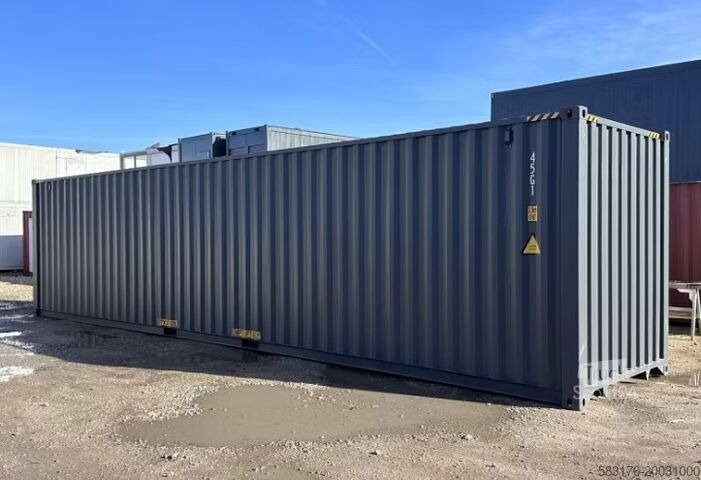
Rent Containers: The Complete Guide You Need to Know
Whether you’re a contractor juggling a construction site, a small‑business owner looking for extra storage, or a homeowner tackling a big DIY project, renting containers can be the fastest, most flexible solution to keep your materials safe and organized. In this guide you’ll discover everything you need to know before you sign a rental agreement— from choosing the right size and material, to budgeting, legal considerations, and best‑practice tips for loading and securing your container.
1. Why Renting a Container Makes Sense
| Benefit | What It Means for You |
|---|---|
| Scalability | Start with a 10‑ft unit and upgrade to a 40‑ft container as your project grows—no permanent investment required. |
| Cost‑Effectiveness | Rental rates are often a fraction of buying a new container, especially for short‑term needs. |
| Mobility | Most rental companies deliver, pick up, and even relocate containers on short notice. |
| Security | Steel‑built, lockable doors protect tools, supplies, and hazardous materials from theft and weather. |
| Compliance | Rental firms handle permits and inspections, sparing you the paperwork. |
If any of these points resonate, you’re already on the right track. The next step is figuring out what type of container best fits your situation.
2. Types of Containers You Can Rent
| Container Type | Typical Dimensions (L×W×H) | Common Uses | Key Features |
|---|---|---|---|
| Standard Dry (ISO) Container | 20‑ft: 20×8×8.5 ft 40‑ft: 40×8×8.5 ft | Building supplies, retail inventory, office space | Weather‑resistant steel, lockable doors |
| High‑Cube Dry Container | 40‑ft: 40×8×9.5 ft | Large machinery, bulk pallets | Extra 1 ft of interior height |
| Reefer (Refrigerated) Container | 20‑ft or 40‑ft | Perishable food, pharma products, temperature‑sensitive chemicals | Integrated cooling unit (±2‑10 °C or lower) |
| Open‑Top Container | 20‑ft or 40‑ft | Oversized loads (pipes, timber) | Removable tarpaulin roof for crane loading |
| Flat‑Rack Container | 20‑ft or 40‑ft | Heavy equipment, vehicles, construction frames | Collapsible sidewalls, sturdy frame |
| Ventilated/Side‑Door Container | 20‑ft or 40‑ft | Agricultural produce, waste, fire‑hazardous materials | Adjustable side doors, ventilation grills |
| Portable Office Container | 20‑ft and 40‑ft variants | Site offices, meeting rooms, break areas | Pre‑installed HVAC, electrical wiring, interior finishings |
Quick Decision Checklist
- What’s the shape & size of your load?
- Long and skinny? → Flat‑rack.
- Oversized height? → High‑cube or open‑top.
- Do you need temperature control?
- Yes → Reefer.
- Will you be loading/unloading with a crane?
- Yes → Open‑top or flat‑rack.
- Is on‑site office space required?
- Yes → Portable office container.
3. How Much Does It Cost to Rent a Container?
Pricing varies by region, rental duration, and container type. Below is a ballpark range based on a typical U.S. market (prices are per month, inclusive of delivery within 50 mi).
| Container Type | 20‑ft (per month) | 40‑ft (per month) | Additional Fees |
|---|---|---|---|
| Standard Dry | $120 – $180 | $180 – $260 | Delivery/pick‑up ($50 – $100) |
| High‑Cube Dry | $150 – $210 | $210 – $300 | Same as above |
| Reefer (20‑ft) | $300 – $420 | $500 – $720 | Power hookup ($30 – $60), fuel surcharge |
| Open‑Top | $130 – $190 | $190 – $280 | Tarpaulin replacement |
| Flat‑Rack | $140 – $200 | $200 – $300 | Heavy‑load surcharge if > 5,000 lb |
| Portable Office | $250 – $350 | $400 – $550 | Interior finish upgrades, Wi‑Fi, HVAC |
Pro tip: Most rental companies offer discounts for longer terms (e.g., a 6‑month contract may shave off 10‑15 % of the monthly rate). Ask about volume discounts if you need multiple units.
4. The Rental Process – Step‑by‑Step
- Define Your Requirements
- List the items you’ll store, the volume, and any special handling (temperature, ventilation).
- Request Quotes
- Use an online form or call at least three local providers. Capture: container size, rental term, delivery distance, insurance options.
- Compare Offers
- Use the table below to evaluate each quote side‑by‑side.
| Provider | Container Size | Monthly Rate | Delivery Distance | Insurance | Total First‑Month Cost |
|---|---|---|---|---|---|
| Alpha Rentals | 40‑ft Dry | $230 | 30 mi | $30 | $310 |
| Beta Containers | 40‑ft Dry | $210 | 45 mi | $40 | $300 |
| Gamma Logistics | 40‑ft Dry | $225 | 20 mi | $25 | $300 |
- Read the Fine Print
- Look for early‑termination fees, late‑return penalties, and maintenance responsibilities (e.g., cleaning before return).
- Sign the Agreement
- Most companies accept electronic signatures. Keep an electronic copy for reference.
- Schedule Delivery & Set‑up
- Confirm the exact placement on your site (ground level, adequate clearance, load‑bearing capacity).
- Load Properly (see Section 6)
- Return or Extend
- If the project overruns, contact the provider at least 48 hours before the due date to avoid extra fees.
5. Key Legal & Safety Considerations
- Permits & Zoning: Some municipalities require a temporary storage permit for containers placed on public streets or adjacent to residential zones.
- Weight Limits: Verify the ground bearing capacity (usually 2,500 lb/ft² for standard concrete pads). Overloading can cause structural failure and liability.
- Insurance: Most rental firms sell loss‑damage coverage (often $0.10 per $1 of cargo value per day). If you already have a commercial liability policy, check whether it extends to rented containers.
- Hazardous Materials: If storing chemicals, ensure the container complies with OSHA and DOT regulations. Open‑top or ventilated models may be required.
- Security: Use high‑security padlocks (grade A) and, if possible, install a CCTV feed or motion‑sensor lighting.
6. Best Practices for Loading and Securing Your Container
A. Preparation Checklist
- Clean the interior – sweep debris and wipe down any moisture.
- Inspect doors and seals – ensure they close tightly; replace worn gaskets.
- Plan a loading map – sketch where each item will go to maximize space and keep weight balanced.
B. Loading Sequence
- Heaviest items first – place them on the floor, centered over the container’s frame.
- Stack lighter items on top – keep the centre of gravity low.
- Leave a 2‑ft aisle for easy access (especially for inventory tracking).
- Seal gaps with foam blocks or strapping to prevent shifting during transport.
C. Securing Techniques
- Ratchet straps – loop over items and anchor to the container’s built‑in D‑rings.
- Tie‑down chains – ideal for metal equipment or pallets.
- Anti‑theft bars – some containers come with internal crossbars; use them to block door access.
7. Frequently Asked Questions
Q1: How long can I rent a container?
You can rent for as little as a single day up to several years. Most companies offer flexible month‑to‑month contracts, with discounts for longer terms.
Q2: Do I need a forklift to load a container?
Only if your load exceeds manual handling limits (generally > 2,000 lb). Many rental firms can deliver containers equipped with pallet jacks or can arrange on‑site forklift services.
Q3: What happens if the container gets damaged while it’s on my site?
Most rental agreements include a damage waiver that covers minor wear and tear. For major damage, you’ll be charged the repair cost plus a deductible, unless you have insurance that covers it.
Q4: Can I relocate the container after delivery?
Yes—most providers offer relocation services for a fee (often $30‑$50 per move). Be sure to schedule in advance to avoid availability issues.
Q5: Are there environmental regulations for storing waste in containers?
Yes. If you store hazardous or regulated waste, you must comply with EPA and local regulations, which may require a certified hazardous waste container and proper labeling.
Q6: Do I need a permit to place a container on my property?
Usually not for private property, but check with your local building department. Public right‑of‑way placements definitely require a permit.
Q7: What payment methods are accepted?
Most companies accept credit cards, ACH transfers, and sometimes PayPal. Some offer net‑30 terms for corporate accounts.
8. Real‑World Use Cases
| Industry | Scenario | Container Choice | Benefits Realized |
|---|---|---|---|
| Construction | Storing steel beams & rebar for a 6‑month build | 40‑ft High‑Cube Dry + Open‑Top for oversized pieces | Extra height accommodated long beams; open‑top allowed crane loading. |
| E‑Commerce | Seasonal inventory overflow during Black Friday | 20‑ft Standard Dry (2 units) | Quick delivery, lockable security, cost‑effective short‑term storage. |
| Agriculture | Harvested vegetables needing ventilation | 20‑ft Ventilated Side‑Door | Adjustable doors for easy loading; ventilation kept produce fresh. |
| Event Management | On‑site office and changing rooms for a music festival | 20‑ft Portable Office (custom interior) | Pre‑wired electrical outlets, HVAC, and restroom partitioning. |
| Pharmaceutical | Temperature‑sensitive drugs pending distribution | 20‑ft Reefer | Precise temperature control, audit‑ready documentation. |
9. Bottom Line – Is Renting a Container Right for You?
If you’ve answered yes to any of the following, container rental is likely the smartest move:
- You need temporary, secure storage that can be moved as the project evolves.
- You want to avoid the capital expense of buying a container you’ll only use sporadically.
- Your site lacks adequate on‑site storage space.
- You have special handling requirements (temperature, ventilation, oversized loads).
By following the steps outlined in this guide—defining your needs, comparing quotes, understanding legal responsibilities, and adhering to best‑practice loading—you’ll maximize the value of your rental while safeguarding your assets and staying compliant.
Ready to get started? Pull up the checklist below, make a shortlist of local providers, and you’ll have that perfect container on your site in no time.
Quick‑Start Checklist
- Identify the type and size of container you need.
- Estimate the rental period (days, weeks, months).
- Request quotes from at least three vendors.
- Compare costs using the comparison table template.
- Review terms & insurance for damage, theft, and liability.
- Schedule delivery and confirm placement requirements.
- Prepare the site (clear, level ground, permit if needed).
- Load items following the weight‑distribution guide.
- Secure everything with ratchet straps or tie‑downs.
- Set a reminder for the return date or extension request.
Now you have all the knowledge you need to rent a container with confidence. Happy storing!