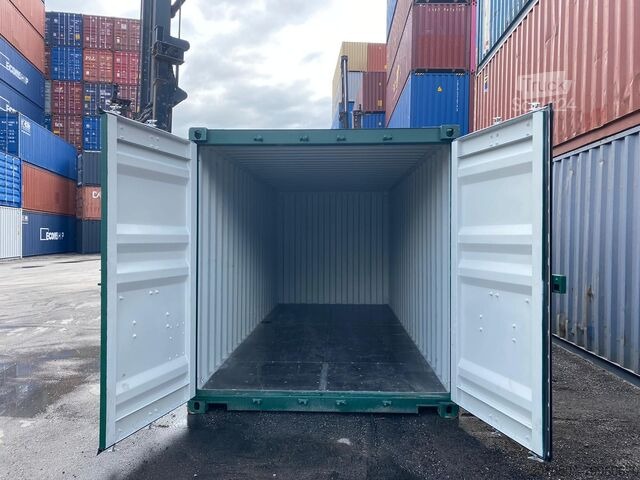
The Rise of Pre‑Built Container Homes: What You Need to Know Before You Buy
If you’re scrolling through Instagram feeds littered with sleek, compact dwellings made from shipping containers, you’ve probably wondered: Can I actually live in one? The short answer is a resounding yes—and the longer answer is that the industry has evolved far enough that you can now purchase a pre‑built container home that arrives at your lot ready for assembly.
In this post we’ll walk you through everything you need to consider before committing to a container‑based residence. From cost breakdowns to sustainability benefits, from design options to the top manufacturers on the market, you’ll finish this read with a clear roadmap for turning a steel box into your next home.
1. What Exactly Is a “Pre‑Built” Container Home?
A pre‑built container home (sometimes called a “prefab container house”) is a complete living unit that has been engineered, cut, insulated, and finished inside a shipping container before it leaves the factory.
| Feature | Traditional DIY Container Build | Pre‑Built Container Home |
|---|---|---|
| Design Time | Weeks‑to‑months of personal planning and drawings | Standardized floor plans; design finalised in days |
| Construction On‑Site | Full interior framing, wiring, plumbing done by you or a hired contractor | Only assembly (usually 1‑2 days) and utility hook‑up |
| Quality Control | Variable – depends on your skill set and subcontractors | Factory‑controlled environment; consistent standards |
| Permitting | Complex – you must prove compliance for each modification | Often pre‑approved plans; faster permitting |
| Cost Predictability | High – unexpected labor and material overruns | Fixed price; most surprises are eliminated |
In short, a pre‑built option removes the biggest headaches of a DIY conversion while preserving the core advantages of container construction: speed, durability, and a modest footprint.
2. Why Choose a Pre‑Built Container Home?
2.1 Speed to Move‑In
Because the bulk of the work is completed off‑site, you can go from order to occupancy in as little as 8‑12 weeks, depending on delivery distance and site preparation. Compare that with a conventional stick‑built home, which often takes 6‑12 months.
2.2 Structural Integrity
Shipping containers are engineered to withstand harsh ocean voyages, extreme weather, and the weight of cargo stacked high. When the manufacturer retains the original C‑rated steel shell (the structural grade that meets ISO 1496‑1), you get a home that is inherently fire‑resistant, pest‑free, and highly durable.
2.3 Eco‑Friendly Credentials
- Material reuse – Up to 90 % of a container’s steel is recycled from previous cargo units.
- Reduced waste – Factory fabrication cuts on‑site debris dramatically.
- Energy efficiency – Modern pre‑built models come with spray‑foam insulation, double‑glazed windows, and low‑E doors, slashing heating/cooling loads.
2.4 Flexibility of Layout
Even though the floor plans are standardized, most manufacturers offer modular add‑ons: extra containers for a master suite, a loft, or a garage. Because each container is a self‑contained module, you can stack them vertically or align them horizontally to suit your lot size.
3. Cost Breakdown: What Should You Expect?
Below is a typical price range for a 30‑ft pre‑built container home, broken down by major cost categories. All numbers are USD and represent 2024‑2025 market averages.
| Cost Category | Low‑End (USD) | Mid‑Range (USD) | High‑End (USD) |
|---|---|---|---|
| Base Container (30 ft) | $3,200 | $3,800 | $4,500 |
| Factory Fit‑Out (insulation, interior finishes, plumbing, wiring) | $18,000 | $25,000 | $35,000 |
| Delivery & Logistics | $2,500 | $4,000 | $6,500 |
| Site Preparation (foundation, grading) | $5,000 | $9,000 | $14,000 |
| Utility Hook‑Ups (water, electric, sewer) | $3,500 | $6,500 | $10,000 |
| Optional Add‑Ons (solar, loft, second container) | $2,000 | $5,500 | $12,000 |
| Total Estimated Cost | $34,200 | $53,800 | $82,500 |
Key take‑aways
- The factory fit‑out is the biggest line item; higher‑end finishes (hardwood flooring, custom cabinetry) drive price up.
- Delivery can vary dramatically based on distance and the need for specialized equipment.
- Adding a second container for an extra bedroom or garage typically adds $15,000‑$25,000 to the total.
4. Top Manufacturers to Consider (2024‑2025)
| Company | Headquarters | Core Offering | Typical Lead Time | Notable Projects |
|---|---|---|---|---|
| Modular Steel Homes | Austin, TX, USA | 20‑ft & 40‑ft pre‑finished modules with optional lofts | 8‑10 weeks | “Eco‑Village” in New Mexico (12 homes) |
| CubiCasa | Berlin, Germany | European‑styled interiors, high‑performance insulation, solar‑ready | 6‑9 weeks | “Green Campus” student housing, Berlin |
| MightyBox Homes | Melbourne, AU | “Turnkey” kits with kitchen and bathroom fixtures pre‑installed | 9‑12 weeks | “Coastal Retreat” in Queensland (5‑unit development) |
| EcoContainer Solutions | Vancouver, Canada | Focus on off‑grid options: battery storage, rainwater harvesting | 10‑14 weeks | “Tiny Oasis” eco‑tourism cabins, BC |
| Container Living | Dubai, UAE | Luxury finishes, climate‑controlled interiors for hot regions | 7‑10 weeks | “Desert Luxury Villas” in Abu Dhabi |
When you compare manufacturers, pay close attention to certifications (e.g., ISO 9001 for quality management, local building code compliance) and after‑sale support (warranty length, on‑site assistance).
5. Design Options: From Minimalist to Luxury
Below is a quick checklist of features you can toggle when customizing a pre‑built container home. Use it to clarify what matters most to you before you request a quote.
- Floor Plan
- Open‑plan studio
- One‑bedroom + bathroom
- Two‑bedroom + loft
- Insulation
- Spray‑foam (R‑value 20+)
- Rigid board with interior paneling
- Windows & Doors
- Triple‑pane glass (energy‑star)
- Sliding patio doors for indoor‑outdoor flow
- Interior Finishes
- Reclaimed wood flooring
- Polished concrete or epoxy floors
- Modular cabinetry (pre‑wired)
- Utilities
- Off‑grid solar + battery (Tesla Powerwall compatible)
- Propane water heater vs. electric tankless
- Smart home hub (lights, thermostats)
- Exterior Enhancements
- Cladding (corten steel, timber siding)
- Rooftop deck or garden terrace
- Green roof system for additional insulation
6. Steps to Purchase Your Pre‑Built Container Home
- Define Your Budget & Timeline
- Use the cost breakdown table to set realistic expectations.
- Secure Land & Verify Zoning
- Check local ordinances: many jurisdictions treat containers as “accessory dwellings,” but some require specific setbacks.
- Choose a Manufacturer
- Compare the table of top manufacturers; request a portfolio of completed projects.
- Select a Floor Plan & Options
- Use the design checklist to finalize features; confirm any customizations are within the manufacturer’s capabilities.
- Obtain Permits
- Submit the manufacturer’s approved drawings; most pre‑built homes already meet residential codes, which speeds this step.
- Prepare the Site
- Install a concrete slab or pier foundation; ensure utility lines are ready.
- Schedule Delivery & Assembly
- Coordinate with the delivery team; most installations need a crane for the container lift.
- Connect Utilities & Final Inspection
- Hook up water, electricity, and sewage; schedule the final city inspection for occupancy.
- Move In & Personalize
- Add personal touches—plants, artwork, or a small patio—to truly make the space yours.
7. Sustainability Snapshot
| Sustainability Metric | Typical Value (Pre‑Built Container Home) | Conventional Stick‑Built Home |
|---|---|---|
| Embodied Carbon (kg CO₂e/m²) | 30‑50 | 120‑180 |
| Construction Waste (%) | <10 % | 30‑50 % |
| Energy Use for Heating/Cooling (kWh/m²·yr) | 15‑25 (with R‑20 insulation) | 35‑45 |
| Potential for Off‑Grid Power | High (solar‑ready) | Moderate |
Container homes excel in embodied carbon because the steel has already been produced for shipping purposes. By re‑using an existing container, you avoid the carbon‑intensive process of manufacturing new structural steel. Combined with high‑efficiency insulation and the ability to integrate renewable energy, these homes can dramatically lower your overall environmental footprint.
8. Frequently Asked Questions (FAQ)
| Question | Answer |
|---|---|
| Do I need a special foundation for a container home? | Most pre‑built units sit on a concrete pier or slab that distributes the load evenly. Because the steel frame is relatively lightweight (≈2,200 lb for a 40‑ft container), a full basement isn’t required. |
| Can I add a second floor later? | Yes. One of the biggest advantages of modular containers is vertical stacking. Ensure the original container is a C‑rated, structural steel and that your local building department approves the addition. |
| How long does the on‑site assembly take? | Typically 1‑2 days for a single‑container unit, including anchoring, connecting utilities, and sealing the doors. Adding a second module adds another day or two. |
| Is the interior fire‑rated? | The steel shell is fire‑resistant, but interior finishes (drywall, wood flooring) must meet local fire‑code requirements. Most manufacturers install Type X drywall (fire‑rated) in walls and ceilings. |
| Will my insurance premiums be higher? | Not necessarily. Because the structure meets or exceeds standard residential codes, insurers treat it similarly to a conventional home. However, be sure to disclose the steel construction and any off‑grid systems. |
| Can I customize the exterior look? | Absolutely. Many manufacturers offer cladding options (corten steel, cedar siding, composite panels). You can also paint the exterior with rust‑inhibiting, weather‑proof paint. |
| What’s the resale value? | While still a niche market, container homes have shown stable resale values especially in areas with high housing demand and a strong eco‑conscious buyer base. Adding high‑quality finishes and solar can boost resale price. |
9. Final Thoughts: Is a Pre‑Built Container Home Right for You?
You’ve now seen the numbers, the design possibilities, and the sustainability advantages. If you value speed, durability, and a smaller environmental footprint, a pre‑built container home can be an excellent fit.
The key is to do your homework: verify zoning, compare manufacturers, and nail down a realistic budget using the tables above. With a clear plan, you’ll be able to transform a sturdy steel box into a comfortable, modern sanctuary—often for a fraction of the cost and time of a traditional build.
Ready to start the journey? Begin by sketching out the layout you’d love to live in, then reach out to one of the manufacturers listed in our table. In a matter of weeks, you could be stepping into a home that’s as forward‑thinking as it is grounded in proven engineering.
Welcome to the future of living—one container at a time.