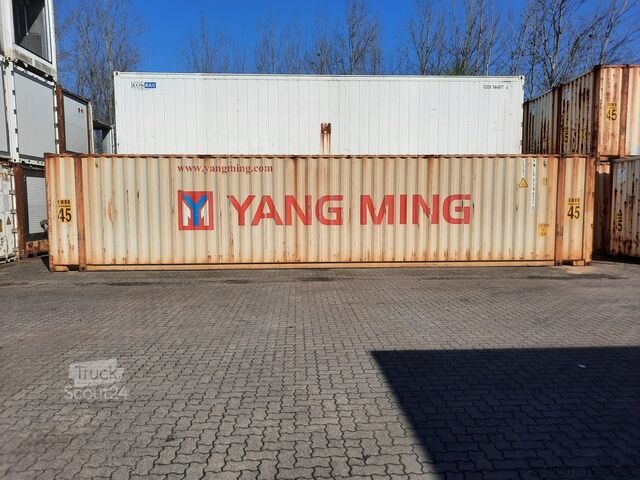
Second‑Hand Shipping Containers for Sale in the UK: Your Complete Buying Guide
If you’re looking for a versatile, low‑cost solution for storage, a pop‑up shop, a backyard office, or even a small housing unit, a second‑hand shipping container could be the answer. The UK market is flooded with high‑quality, pre‑owned containers that have already proven their durability at sea and on the road. This guide walks you through everything you need to know before you click “Add to Cart,” from the different types of containers and typical price bands to the legal hoops you’ll have to jump through.
1. Why Choose a Second‑Hand Container?
| Benefit | Explanation |
|---|---|
| Cost‑effective | New 20‑ft containers start at £2,500‑£3,500, while a good‑condition used unit can be 30‑50 % cheaper. |
| Proven durability | Built to survive harsh ocean conditions, they are rust‑resistant, wind‑proof and impact‑tested. |
| Quick delivery | Most UK suppliers keep a stock of ready‑to‑ship containers, meaning you can have one on your site within days, not weeks. |
| Customisable | From insulation and windows to internal shelving, the steel shell is a blank canvas. |
| Eco‑friendly | Repurposing a container reduces waste and the carbon footprint compared with building a new structure from scratch. |
If any of the above resonates with you, a second‑hand container is worth serious consideration.
2. Types of Shipping Containers You’ll Find in the UK Market
| Size | External Dimensions (L × W × H) | Typical Internal Volume | Common Uses |
|---|---|---|---|
| 20‑ft Standard | 6.058 m × 2.438 m × 2.591 m | 33 m³ | Small workshops, tool storage, mini‑retail units |
| 40‑ft Standard | 12.192 m × 2.438 m × 2.591 m | 67 m³ | Large warehouses, vehicle garages, modular offices |
| 20‑ft High‑Cube | 6.058 m × 2.438 m × 2.896 m | 37 m³ | Taller equipment, pop‑up cafés, home gyms |
| 40‑ft High‑Cube | 12.192 m × 2.438 m × 2.896 m | 76 m³ | Full‑size workshops, tiny homes, classroom blocks |
| Open‑Top | Same as standard size but with removable roof | Same as size | Loading of oversized cargo, agricultural use |
| Reefer (Refrigerated) | 20‑ft or 40‑ft, insulated walls & built‑in refrigeration unit | Same as size | Cold storage, mobile vending of perishable goods |
| Flat‑Rack | Frame with collapsible sides – no walls | Varies | Transport of large machinery, timber, or pipe bundles |
Quick tip: When you’re unsure which size fits your project, draw a simple floor‑plan on graph paper first. Measure the door opening you’ll need, then add at least 30 cm of clearance on each side for easy access.
3. How Much Should You Expect to Pay?
Below is a snapshot of average UK market prices (as of Q3 2025). Prices can fluctuate based on condition, age, location, and any extra accessories (e.g., doors, windows, insulation).
| Container Type | Condition | Price Range (GBP) |
|---|---|---|
| 20‑ft Standard | Good (no dents, no rust) | £1,200 – £1,800 |
| 20‑ft Standard | Excellent (recently refurbished) | £1,800 – £2,300 |
| 40‑ft Standard | Good | £2,300 – £3,200 |
| 40‑ft Standard | Excellent | £3,200 – £4,400 |
| 20‑ft High‑Cube | Good | £1,400 – £2,000 |
| 40‑ft High‑Cube | Good | £2,600 – £3,800 |
| Open‑Top (20‑ft) | Good | £1,300 – £1,900 |
| Reefer (20‑ft) | Good (no cooling unit) | £2,200 – £2,800 |
| Reefer (20‑ft) | Excellent (working unit) | £3,000 – £4,000 |
All prices are ex‑VAT unless stated otherwise.
4. Where to Buy Second‑Hand Containers in the UK
| Supplier | Speciality | Delivery Radius | Website |
|---|---|---|---|
| Container Store UK | Refurbished standard & high‑cube units, full‑service customisation | Nationwide (up to 500 mi) | www.containerstoreuk.co.uk |
| EuroContainer Ltd | Open‑top & flat‑rack, bulk sales for logistics firms | England & Wales | www.eurocontainer.co.uk |
| GreenBox Containers | Eco‑focused, solar‑panel retrofits, tiny‑home kits | Scotland, Northern England | www.greenboxcontainers.com |
| Boxx2Build | Turnkey container homes, interior fit‑out | South‑East England | www.boxx2build.co.uk |
| eBay & Gumtree | Individual sellers, occasional bargains (requires caution) | Local to national | n/a |
When you contact a supplier, always request:
- Photographs of the exact unit (including any dents, rust spots or previous modifications).
- A condition checklist (door hinges, lock mechanism, floor integrity, paint quality).
- Proof of ownership / compliance documents (CE marking, ISO 1496‑1 certification).
5. Step‑by‑Step Checklist: From Search to Installation
- Define Your Purpose – Storage, office, shopfront, home? This decides size, insulation and door configuration.
- Set a Budget – Include container price, delivery, site preparation, and any conversion work.
- Search & Compare – Use the table above to shortlist three suppliers; request quotes.
- Inspect the Container – If possible, arrange a site visit. Look for:
- Rust ≤ 5 mm deep (surface rust is OK, deep corrosion isn’t).
- No major dents that compromise structural integrity.
- Functional doors, locks, and hinges.
- Check Legal Requirements –
- Planning permission: Many UK councils treat a container as a temporary structure up to 2.5 m high. Anything larger may need a planning application.
- Building regulations: If you plan to use it as a dwelling or office, you’ll need compliance with fire safety, insulation R‑values, and ventilation.
- Arrange Delivery – Confirm road‑access, gate width, and whether a crane is needed.
- Site Preparation – A level, hard‑standing base (concrete slab, compacted hardcore, or timber deck) prevents settlement.
- Modify & Fit‑Out – Add insulation, windows, electrical wiring, plumbing, or interior partitions.
- Final Inspection & Registration – Some local authorities require a Certificate of Completion for certain uses.
6. Common Pitfalls (And How to Avoid Them)
| Pitfall | Why It Happens | Prevention |
|---|---|---|
| Buying a container with hidden structural damage | Rust or dents may be concealed under paint. | Request a detailed inspection report and ask for photos of the inside frame. |
| Under‑estimating site work costs | A level base sounds simple, but grading, drainage, and permits add up. | Get a site survey and a fixed quote for ground preparation before signing the container contract. |
| Ignoring planning rules | Some councils treat any above‑ground structure >2.5 m as a permanent building. | Check your local council’s planning portal early; apply for a temporary use permit if needed. |
| Over‑loading the container | Using a 20‑ft unit for heavy machinery can stress the floor. | Verify the maximum payload (usually 21 t for a 20‑ft container) and distribute weight evenly. |
| Poor ventilation when converting to a home | Containers are airtight; without vents, condensation builds up. | Install roof vents, side windows, or an HRV (heat‑recovery ventilator). |
7. Frequently Asked Questions
Q1: How long do second‑hand containers last?
A: If the steel shell remains sound and you keep it maintained (paint, rust treatment, roof checks), a container can easily exceed 30‑40 years. The internal fittings may need replacement sooner, depending on usage.
Q2: Are second‑hand containers delivered with a warranty?
A: Most reputable UK sellers offer a 6‑month limited warranty covering structural defects and major rust. Always read the fine print; some suppliers sell “as‑is” with no warranty.
Q3: Can I use a used container for a habitable home?
A: Yes, provided you meet building regulations for insulation, fire safety, electrical wiring, and ventilation. Many companies specialise in turning containers into compliant tiny homes.
Q4: What is the difference between a “Standard” and a “High‑Cube” container?
A: High‑Cube containers are 0.305 m taller (≈ 9 ft 6 in vs. 8 ft 6 in) which gives you extra headroom and more interior volume—ideal for standing workspaces.
Q5: Do I need a special licence to drive a container on a trailer?
A: In the UK, a Category B (car) licence is sufficient for a 20‑ft container on a trailer provided the total weight does not exceed 3.5 t. For a 40‑ft container, a Category C1 licence may be required.
Q6: How do I prevent rust after purchase?
A: Keep the container clean and dry, apply a protective marine‑grade paint every 3‑5 years, and ensure the roof overhang is intact. Installing drainage channels at the base also helps.
Q7: Are there financing options for buying a container?
A: Some suppliers partner with finance companies offering monthly instalments (typically 12‑36 months). Compare APR rates and check if the finance includes delivery.
8. Quick‑Start List: Getting Your Container Up and Running
- Make a budget spreadsheet – Include container, delivery, site prep, conversion, and contingency (10 %).
- Choose a size – Refer to the size table; add 10 % extra space for future growth.
- Contact three suppliers – Use the supplier table as a starting point.
- Inspect – Arrange a physical or video inspection; request a condition checklist.
- Secure planning permission – Submit a brief application with site plan, container dimensions, and intended use.
- Prepare the ground – Level the site, lay a compacted hardcore base, optionally pour a concrete slab.
- Schedule delivery – Confirm gate width, crane access, and any road‑use permits.
- Modify – Add insulation, doors, windows, utilities.
- Register – If required, obtain a Certificate of Completion from your local authority.
- Enjoy – Populate your new space, monitor for any signs of water ingress or rust, and perform routine maintenance.
9. Final Thoughts
Second‑hand shipping containers are more than just metal boxes; they’re affordable, sturdy building blocks that can be transformed into anything from a simple storage shed to a fully‑fitted tiny home. By understanding the different types, price ranges, legal considerations, and the step‑by‑step process outlined above, you’ll be equipped to make a confident purchase that serves your needs for years to come.
Remember: inspect before you invest, plan your conversion early, and keep up with maintenance. With the right approach, your container will become a reliable asset—whether it’s safeguarding tools on a construction site or providing a cosy workspace in your garden.
Ready to start the hunt? Use the tables and checklists in this guide as your roadmap, and you’ll soon have the perfect second‑hand container parked exactly where you need it. Happy building!