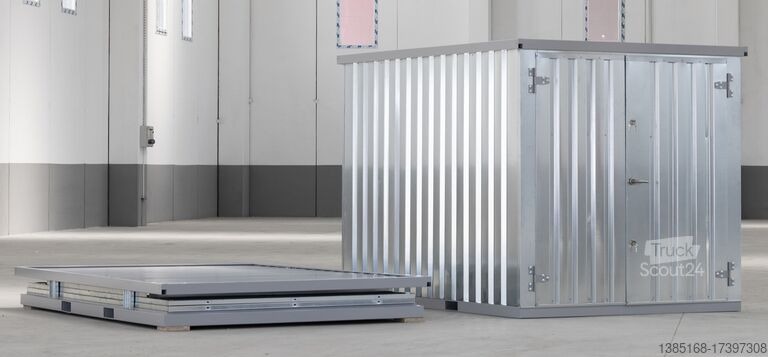
Converted Containers for Sale: The Complete Guide to Buying, Customising and Living Large
If you’ve ever imagined a sleek, eco‑friendly space that can be moved, expanded or totally re‑imagined on a whim, you’re not alone. Shipping containers have morphed from cargo carriers into stylish studios, pop‑up cafés, backyard offices and even full‑blown homes. This guide walks you through everything you need to know before you click “Add to Cart” on a converted container.
1. Why Consider a Converted Container?
| Benefit | What It Means for You |
|---|---|
| Affordability | A 20‑ft container can cost $2,500‑$4,000 raw, while a fully finished studio typically ranges $30,000‑$80,000—still a fraction of traditional construction. |
| Speed of Build | Most conversions are completed in 4‑12 weeks, meaning you can move in faster than a stick‑built house that takes 6‑12 months. |
| Sustainability | You’re re‑using steel that would otherwise sit in a scrapyard, reducing carbon emissions and material waste. |
| Mobility | When the lease ends or you need a new location, a container can be trucked to another site within days. |
| Design Flexibility | Stack, combine, or cut openings to create anything from a tiny studio to a multi‑story loft. |
If any of these points spark a “yes,” a converted container could be the perfect solution for your next project.
2. Types of Converted Containers on the Market
| Container Size | Typical Uses | Average Sale Price (U.S.) | Key Features |
|---|---|---|---|
| 20‑ft Standard | Micro‑offices, tiny homes, coffee kiosks | $30,000‑$55,000 | Compact, easy to transport, great for single‑room layouts. |
| 40‑ft Standard | Two‑bedroom apartments, workshops, boutique stores | $55,000‑$90,000 | More interior space, allows for separate zones. |
| High‑Cube (9‑ft tall) | Luxury tiny homes, artist studios, lofts | $45,000‑$80,000 (20‑ft) / $70,000‑$110,000 (40‑ft) | Extra headroom, better for standing desks & mezzanines. |
| Double‑Stack (Two 20‑ft units) | Small office complexes, guest houses, modular classrooms | $80,000‑$130,000 | Vertical stacking creates a two‑story feel without extra foundation. |
| Specialty (Refrigerated, Open‑Top) | Mobile labs, pop‑up events, greenhouse modules | $40,000‑$100,000 | Pre‑installed insulation, custom roof or door openings. |
Pro tip: When you see a price that seems “too good to be true,” ask the seller about insulation, plumbing and electrical work—those are the hidden costs that can quickly add up.
3. What’s Included in a Typical Conversion?
A fully finished container usually comes with:
- Insulation – Spray‑foam, rigid board, or blanket style.
- Electrical Wiring – Circuit breaker, outlets, lighting fixtures.
- Plumbing (if applicable) – Water supply, drainage, toilet or shower kit.
- Interior Finishes – Drywall, wood paneling, flooring (laminate, vinyl, or engineered wood).
- Exterior Cladding – Corrugated steel, wooden slats, or composite panels for aesthetics and weather protection.
- Doors & Windows – Energy‑efficient double‑glazed units, sliding or hinged doors.
- HVAC – Mini‑split system, rooftop unit, or portable heaters/coolers.
Some sellers also throw in furniture packages, solar panel kits, or off‑grid battery systems. Always request a detailed spec sheet before you commit.
4. Step‑by‑Step Checklist Before You Purchase
| Step | Action Item | Why It Matters |
|---|---|---|
| 1. Define Purpose | List the primary functions (live‑in, office, retail). | Determines size, interior layout, and required utilities. |
| 2. Set a Budget | Include container price, conversion cost, site prep, permits. | Prevents surprise overruns once the foundation is poured. |
| 3. Choose a Supplier | Compare at least three vendors, read reviews, ask for references. | Reputation affects build quality and after‑sales support. |
| 4. Verify Compliance | Check local zoning, building codes, and required permits. | Avoid fines, demolition orders, or forced removal. |
| 5. Inspect the Unit | Review photos, request a virtual tour, ask for a third‑party inspection report. | Confirms structural integrity and quality of workmanship. |
| 6. Review Warranty | Look for at least a 1‑year structural warranty; longer for appliances. | Covers defects and gives you peace of mind. |
| 7. Plan Delivery & Site Prep | Arrange crane, truck, and concrete slab or footings. | Guarantees a smooth installation and avoids delays. |
| 8. Finalise Payment Terms | Secure a contract, understand deposit and milestone payments. | Protects you from losing money if the seller backs out. |
5. Real‑World Use Cases: Inspiration for Your Next Space
- The Urban Micro‑Studio: A 20‑ft high‑cube container turned into a 350 sq ft studio with a Murphy bed, built‑in desk, and fold‑out balcony. Perfect for city dwellers who need a low‑maintenance pad.
- Pop‑Up Coffee Cart: A 40‑ft container retrofitted with a stainless‑steel espresso bar, walk‑up windows, and a rooftop deck for outdoor seating. Used at festivals and farmer’s markets.
- Remote Home Office: A double‑stack of two 20‑ft units, with a shared loft sleeping area on the top, and a fully insulated, sound‑proofed workroom below. Ideal for freelancers in rural settings.
- Boutique Retail Shop: A 40‑ft container with floor‑to‑ceiling glass walls, reclaimed wood interior, and an eye‑catching LED‑lit roof sign. Great for temporary storefronts or holiday pop‑ups.
Take note: each project required a different set of permits and utility hookups. Always check with your local authority early in the process.
6. Frequently Asked Questions
Q1: How long does it take to receive a converted container after I place an order?
Typically 8‑12 weeks for standard finishes. High‑end custom work or additional site‑specific modifications can extend the timeline to 16‑20 weeks.
Q2: Are converted containers safe during extreme weather (e.g., hurricanes, heavy snow)?
Yes, when properly anchored to a concrete slab and reinforced with steel bracing. For hurricane zones, ask the supplier for a wind‑rated certification.
Q3: Can I insulate a container myself to save money?
While DIY insulation is possible, most sellers recommend professional installation to avoid gaps, moisture build‑up, and to maintain warranty coverage.
Q4: Do I need a foundation?
Most jurisdictions require a permanent or semi‑permanent foundation—concrete slab, steel deck, or pier system. Some “tiny house on wheels” models can be placed on a trailer, but you’ll still need a level, stable base.
Q5: How do I connect utilities (water, electricity, sewage)?
You’ll need a licensed electrician and plumber. Many vendors offer “turn‑key” packages that include utility connection plans and local contractor referrals.
Q6: What is the resale value of a converted container?
Resale varies by location, condition, and market demand. In high‑growth urban areas, a well‑finished container home can fetch 70‑85% of the original purchase price after 5‑7 years.
Q7: Are there financing options?
Some manufacturers partner with specialty lenders offering loans for modular or prefabricated homes. Check credit unions, “tiny‑home” financing firms, or personal loans.
7. Tips for Maintaining Your Container Long‑Term
- Check for Rust Annually – Inspect seams, roof panels, and screw heads. Touch up any scratches with rust‑inhibiting primer.
- Seal Gaps – Re‑apply silicone caulk around windows and doors every 2‑3 years to keep moisture out.
- Monitor Insulation – Look for condensation on interior walls; this may indicate broken insulation or ventilation issues.
- Service HVAC – Replace filters quarterly and schedule a professional tune‑up annually.
- Refresh Paint – Exterior paint can be refreshed every 7‑10 years to protect the steel finish.
8. Bottom Line: Is a Converted Container Right for You?
You’ve seen the numbers, the benefits, and the practical steps involved. If you value speed, sustainability, and flexibility, a converted container can deliver a functional space at a fraction of the cost of traditional construction. The key is to do your homework—define the purpose, secure a reputable supplier, verify compliance, and budget for the full lifecycle (delivery, installation, utilities, maintenance).
When you walk through the doors of your new container home or office, you’ll feel the satisfaction of inhabiting a space that’s not just a structure, but a statement: that you’re forward‑thinking, environmentally conscious, and ready to think outside the (concrete) box.
Ready to Take the Next Step?
Grab a notebook, start drafting your purpose list, and reach out to at least three vetted vendors today. The future of living and working is moving—literally—on steel frames, and the perfect container might be just a click away.
Happy building!