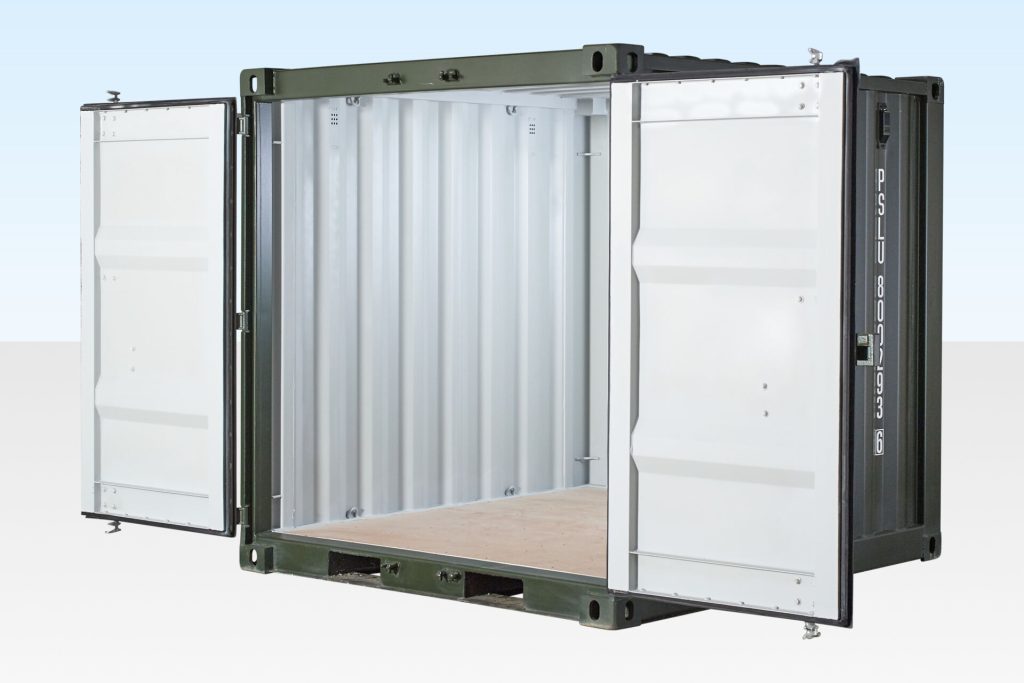
How Much Does a Container House Really Cost?
If you’re scrolling through Instagram feeds and dreaming of a sleek, eco‑friendly home built from shipping containers, you’re not alone. The “container house” trend has gone from niche experiment to mainstream option for anyone who wants a fast‑track, sustainable, and stylish dwelling. But before you start picturing tiny lofts and rooftop decks, you probably have one burning question: How much does a container house actually cost?
In this post we’ll break down every line item that shows up on a container‑home invoice, compare those numbers with traditional construction, and give you a solid toolkit for budgeting your dream project. We’ll also answer the most common questions that pop up when folks start planning their metal‑box masterpiece.
1. What Drives the Price of a Container House?
Just like a regular home, the final price of a container house is the sum of many variables. Below is a quick checklist of the main cost drivers—you’ll see most of these appear in the detailed tables later on.
| Cost Driver | Why It Matters | Typical Impact on Budget |
|---|---|---|
| Container type & grade | New vs. used, 20‑ft vs. 40‑ft, “high‑cube” (taller) | 10‑30 % |
| Design complexity | Simple rectangular box vs. multi‑story, curved walls, custom windows | 5‑25 % |
| Insulation & climate control | Metal conducts heat; proper insulation is essential | 10‑20 % |
| Foundation & site work | Concrete slab, pier, or steel frame; grading & soil prep | 5‑15 % |
| Interior finishes | Drywall, flooring, kitchen, bathroom fixtures | 15‑35 % |
| Utilities & connections | Electrical, plumbing, HVAC, sewage | 10‑20 % |
| Permits & design fees | Local building codes, architect/engineer services | 5‑10 % |
| Transportation & crane rental | Distance from port, size of container(s) | 5‑10 % |
| Labor | Skilled trades, contractor markup | 10‑20 % |
Your final price will be a mix of these elements, weighted by your specific choices. The good news? Many of them are modifiable—you can trim costs by opting for a simpler layout, sourcing used containers, or handling some of the work yourself (if you have the skillset).
2. Quick‑Look Price Ranges (2025 US Market)
Below is a snapshot of typical price ranges for container homes in the United States in 2025. These numbers assume a single‑story, 2‑bedroom layout built on a modest concrete slab, which is the most common starter configuration.
| Size (sq ft) | Container Count | Approx. Total Cost* | Cost per Sq ft |
|---|---|---|---|
| 200 – 300 | 1–2 (20‑ft) | $45,000 – $80,000 | $225 – $267 |
| 300 – 500 | 2–3 (40‑ft) | $80,000 – $130,000 | $160 – $260 |
| 500 – 800 | 3–5 (mixed) | $130,000 – $210,000 | $163 – $262 |
| 800+ | 5+ (custom) | $210,000+ | $210+ |
* All‑in‑one: includes containers, foundation, insulation, interior finishes, utilities, permits, design, and basic labor. Does not include high‑end upgrades (e.g., luxury kitchen, solar array) or land acquisition.
How to read the table
- If you’re after a tiny studio (≈ 250 sq ft), you’re looking at roughly $45‑80 k.
- A comfortable 2‑bed, 1‑bath (≈ 400 sq ft) lands you in the $80‑130 k zone.
- A family‑size home (≈ 700 sq ft) typically costs $130‑210 k.
Those figures can feel high compared to a “shed‑style” cabin, but remember that a container house already includes a structurally certified steel box—the “shell” you’d otherwise have to build from scratch with wood or masonry.
3. Detailed Cost Breakdown – Example Project
Let’s walk through a realistic, mid‑range build: Two 40‑ft containers combined into a 400‑sq‑ft 2‑bedroom home. Here’s how the dollars stack up.
| Category | Sub‑items | Approx. Cost (USD) | % of Total |
|---|---|---|---|
| Containers | Two new 40‑ft high‑cube, ISO‑certified | $22,000 | 22 % |
| Foundation | Reinforced concrete slab (12 in) + site prep | $9,500 | 10 % |
| Transportation & Crane | 150 mi haul + crane lift | $4,800 | 5 % |
| Design & Permits | Architect, engineer, building permit | $6,500 | 7 % |
| Insulation & Weatherproofing | Spray‑foam walls, roof, interior vapor barrier | $12,000 | 12 % |
| Exterior Finishes | Corrugated metal cladding, exterior paint, doors | $5,500 | 5 % |
| Interior Build‑out | Framing, drywall, flooring, trim | $20,500 | 21 % |
| Plumbing & Electrical | Rough‑in, fixtures, wiring, panel | $11,200 | 12 % |
| HVAC | Mini‑split heat pump (cooling/heating) | $6,000 | 6 % |
| Kitchen & Bath Fixtures | Cabinets, countertops, sink, toilet, shower | $9,000 | 9 % |
| Labor & Contractor Markup | General contractor, site supervision | $12,000 | 12 % |
| Contingency (10 %) | Unexpected items, price swings | $9,300 | — |
| Total | — | $119,800 | 100 % |
Key takeaways
- Containers themselves are only ~22 % of the total cost.
- Interior finishes and systems (plumbing, electrical, HVAC) together consume about 45 %.
- Always budget a contingency of at least 10 % to absorb surprises (e.g., hidden utility lines, extra insulation needs).
4. Container House vs. Traditional Stick‑Built Home
You might wonder how these numbers compare to a conventional wood‑frame house of similar size. Below is a side‑by‑side snapshot.
| Metric | Container Home (≈ 400 sq ft) | Traditional Stick‑Built (≈ 400 sq ft) |
|---|---|---|
| Average Total Cost | $80 k – $130 k | $120 k – $200 k |
| Construction Time | 3–5 months (incl. permitting) | 6–12 months |
| Materials Waste | < 5 % (recycled steel) | 15‑30 % (lumber, drywall) |
| Energy‑Efficiency Potential | High (tight envelope, optional solar) | Variable (depends on builder) |
| Design Flexibility | Modular, stackable, relocatable | Limited by foundation & framing |
| Resale Value (US) | Growing, especially in urban infill | Established, market‑tested |
Bottom line: Even at the higher end, a container house can be 30‑40 % cheaper than a comparable stick‑built home, while delivering faster construction and a smaller carbon footprint. The main trade‑off is the need for custom design expertise and often a more hands‑on approach during the build phase.
5. How to Keep Your Container House Budget in Check
- Start with a Clear Scope – Sketch a floor plan, decide on the number of containers, and list essential rooms. The more precise you are early on, the less you’ll spend on redesigns later.
- Consider Used Containers – High‑grade, used containers can drop the shell price by 30‑50 %. Just make sure they’re free of rust, dents, and hazardous residues.
- DIY Where Safe – Tasks like interior painting, installing flooring, or even basic framing can be tackled by a confident DIYer, shaving 5‑10 % off labor.
- Bundle Services – Some manufacturers offer turnkey packages (containers + insulation + finishes) at a discount vs. buying each component separately.
- Plan for Energy Efficiency Early – Adding insulation and a good HVAC system in the design phase is far cheaper than retrofitting later.
- Shop Around for Permits – Some municipalities have streamlined container‑home pathways; checking with local planning offices can save both time and fees.
6. Frequently Asked Questions (FAQ)
| Question | Short Answer |
|---|---|
| Do I need a special permit for a container home? | Yes. Most jurisdictions treat a container house as any other residential structure, requiring building permits, zoning clearance, and sometimes a special inspection for the steel shell. |
| Can I stack containers to create a second story? | Absolutely. Stacking is a common design choice, but you’ll need a structural engineer to certify the load‑bearing capacity and ensure compliance with local codes. |
| How long does it take from purchase to move‑in? | Typically 3–5 months for a modest 2‑bedroom unit, including design, permitting, site prep, and interior finish. |
| What is the resale value of a container home? | It varies by market, but in urban infill areas resale can be 10‑20 % higher than the original purchase price after 5‑7 years, especially if the property is well‑finished and located near amenities. |
| Is a container house safe in extreme weather (tornadoes, earthquakes)? | Steel frames are exceptionally strong and perform well in high winds and seismic events when engineered properly. Proper anchoring and reinforcement are essential. |
| Can I add solar panels? | Yes. The flat roof of a container home is an ideal platform for photovoltaic arrays, often reducing annual electricity costs by 40‑70 %. |
| What about insulation—do I need it? | Absolutely. Steel conducts heat, so without insulation you’ll face high heating/cooling costs. Common options include spray‑foam, rigid foam board, or mineral wool. |
| Do container homes have a warranty? | The container itself usually comes with a 2‑year structural warranty from the supplier. Additional warranties may be offered for insulation, windows, and major systems by the contractor. |
| How much land do I need? | Minimum lot size depends on local zoning, but a single‑story 400‑sq‑ft home can comfortably sit on a ¼‑acre lot, leaving room for a small yard or driveway. |
| Is financing available? | Some lenders offer construction loans or personal mortgages for container homes, especially if the project is insured and meets local building codes. |
7. The Bottom Line – What Should You Expect?
If you’re excited about the aesthetic, sustainability, and speed of a container house, the price tag will likely feel reasonable once you see the breakdown. Roughly $200 – $300 per square foot is a good rule of thumb for a fully finished, move‑in ready unit in 2025. That puts a 400‑sq‑ft home comfortably within a $80 k – $130 k window—considerably lower than many traditional homes of the same size.
Remember that your final cost hinges on three levers:
- Container source (new vs. used)
- Design complexity (simple box vs. multi‑level)
- Finish level (basic vs. high‑end)
By focusing on what matters most to you—whether it’s a minimalist loft, a family‑friendly layout, or a show‑stopping rooftop deck—you can dial the budget up or down accordingly.
Now that you’ve got the numbers, the blueprints, and the FAQs, you’re armed to talk confidently with architects, contractors, and lenders. Go ahead—start sketching, start sourcing, and turn that metal box into the home you’ve been dreaming of. Happy building!