The Ultimate Guide to Buying Freight Containers for Sale
When you’re planning a new warehouse, expanding a storage area, or launching a pop‑up shop, freight containers are often the unsung heroes that make it all possible. They’re robust, versatile, and—thanks to a thriving secondary market—available at prices that can fit almost any budget.
If you’re reading this, you’re probably thinking, “I need a container, but where do I start?” You’re in the right place. In this friendly, step‑by‑step guide we’ll walk you through everything you need to know before you click Buy: the different container types, key dimensions, price ranges, how to spot a good deal, and the paperwork that keeps the whole process smooth.
Grab a cup of coffee, settle in, and let’s turn the mysterious world of freight containers into plain‑English, actionable knowledge you can use today.
1. Why Freight Containers? (A Quick Reminder)
| Benefit | What It Means for You |
|---|---|
| Durability | Made of C‑type steel, a 20‑ft container can survive a hurricane‑force wind and a 30‑ton truck roll‑over. |
| Portability | One container can be moved by a standard forklift, a crane, or a flat‑bed trailer—no special permits required for most moves. |
| Security | Built‑in lock points and a steel door keep your inventory safe from theft and pests. |
| Scalability | Start with a single 20‑ft unit, then stack or connect more as your business grows. |
| Cost‑Effectiveness | New containers can cost $2,500–$5,000, while good‑condition used units start as low as $800. |
These advantages explain why thousands of businesses—from global shippers to local artists—reach for containers day after day.
2. Container Types You’ll Encounter
Not all containers are created equal. Below is a quick reference table that breaks down the most common varieties you’ll see when you search “freight containers for sale.”
| Type | Standard Size(s) | Typical Use‑Case | Key Features | Price Range (USD) |
|---|---|---|---|---|
| Dry (Standard) Container | 20′ × 8′ × 8′ ½ (Standard) 40′ × 8′ × 8′ ½ | General storage, shipping of goods that don’t need temperature control | Corrugated steel walls, ventilated doors, lockable hinges | $800–$2,500 (used) $2,500–$5,000 (new) |
| High‑Cube Dry Container | 40′ × 8′ × 9′ 6″ | Bulkier items, extra vertical space for pallets | Same as standard but 1′ taller | $1,200–$3,000 (used) |
| Reefer (Refrigerated) Container | 20′ × 8′ × 8′ ½ 40′ × 8′ × 8′ ½ | Perishables, pharmaceuticals, temperature‑sensitive parts | Integrated cooling unit, insulated walls, temperature monitoring | $2,500–$5,500 (used) |
| Open‑Top Container | 20′ × 8′ × 8′ ½ 40′ × 8′ × 8′ ½ | Oversized loads, machinery, timber | Removable roof, tarpaulin cover, crane access | $1,000–$2,200 (used) |
| Flat‑Rack Container | 20′ × 8′ × 8′ ½ 40′ × 8′ × 8′ ½ | Heavy or oddly shaped cargo (e.g., steel beams) | Collapsible side walls, reinforced frame | $1,200–$2,800 (used) |
| Specialty/Modified Container | Varies | Pop‑up shops, offices, housing, workshops | Windows, doors, electrical wiring, insulation | $3,000–$12,000+ (depends on level of conversion) |
Tip: If you’re not sure which type is right for you, imagine the shape and size of the items you’ll store. If they’re standard pallets, a dry container will do. If you need to keep things cool, a reefer is the obvious choice.
3. How to Pick the Perfect Container for Your Project
Below is a step‑by‑step checklist you can print and tick off while you shop.
- Define the Purpose
- Are you storing bulk inventory, creating a mobile office, or shipping equipment overseas?
- Measure Your Cargo
- Note the length, width, height, and weight. Remember that a 20‑ft container holds roughly 1,170 ft³ (33 m³), while a 40‑ft high‑cube holds 2,390 ft³ (68 m³).
- Choose the Right Type
- Match your purpose with the table above.
- Decide Between New vs. Used
- New offers a pristine look and full warranty.
- Used saves money—just inspect for rust, dents, and functional doors.
- Inspect Condition (if used)
- Look for:
- External rust (surface rust is okay; deep pitting is not).
- Door seals—they should be intact and not cracked.
- Floor condition—no major corrosion or broken boards.
- Look for:
- Check Certification
- ISO 668 (size), ISO 1496 (construction), and CSC (Safety Certificate) are the three most common markings.
- Calculate Total Cost
- Base price + delivery, taxes, modifications (e.g., adding a vent or a second door).
- Plan for Placement
- Ensure you have a flat, level surface and enough clearance for doors to open fully.
4. Where to Find Freight Containers for Sale
| Source | Pros | Cons | Typical Price Range |
|---|---|---|---|
| Manufacturer Direct | Brand new, warranty, customizable | Higher price, longer lead time | $2,500–$5,000 |
| Local Container Yards | Quick pickup, often cheaper | Variable quality, limited inventory | $800–$2,200 |
| Online Marketplaces (e.g., eBay, Alibaba, ContainerAuction.com) | Wide selection, easy price comparison | Shipping costs can be high, need due diligence | $900–$4,000 |
| Specialty Dealers (e.g., Reefer specialists) | Expert advice, optional service contracts | Niche market may have limited stock | $2,500–$6,000 |
| Auctions & Liquidations | Deep discounts on bulk lots | Time‑consuming, condition may be unknown | $500–$1,800 |
Pro tip: When you find a container you like, ask the seller for the CSC plate (the small metal tag on the door frame). It contains the container’s serial number, last inspection date, and load capacity. A recent CSC indicates the container is still compliant with international safety standards.
5. Real‑World Cost Example
Let’s walk through a realistic scenario. Suppose you need a 40‑ft high‑cube dry container to store seasonal inventory for a boutique clothing brand.
| Item | Cost (USD) |
|---|---|
| Used 40‑ft high‑cube container (good condition) | $1,500 |
| Delivery (30 mi) | $300 |
| Minor interior modifications (shelf brackets, lighting) | $250 |
| Inspection & paperwork (CSC copy, local tax) | $100 |
| Total | $2,150 |
That’s less than the price of a single high‑end sofa! And you get a secure, lockable space that can be moved wherever you need it.
6. Frequently Asked Questions (FAQ)
Q1: Do I need a special license to own a freight container?
A: No. A container is considered personal property, just like a shed or a trailer. However, if you plan to transport it on public roads, you’ll need a vehicle registration for the trailer or a commercial driver’s license (CDL) for larger loads.
Q2: How long do containers last?
A: With proper maintenance, a steel container can last 30‑40 years. Regularly rinse off salt (especially if you live near the coast) and repaint any rust spots to extend its life.
Q3: Can I stack containers on top of each other?
A: Yes—standard containers are engineered to be stacked up to nine units high in a shipping yard. For a DIY stack, use a steel frame or concrete pads to distribute the weight safely.
Q4: What is the difference between CSC and COC?
A: CSC (Container Safety Convention) is a certification that the container meets international safety standards. COC (Certificate of Conformity) is a document that verifies the container complies with specific regulations, like hazardous material transport. For most storage uses, CSC is the only required tag.
Q5: Are there any hidden fees when buying a container?
A: Common hidden costs include:
- Delivery/haulage (especially if the container must travel far).
- Taxes/VAT (varies by state or country).
- Modifications (adding windows, doors, or insulation).
- Permits (if you place the container on a public road or need a zoning variance).
Q6: How can I secure a container against theft?
A: Use a high‑security lock (e.g., a C‑type padlock with a hardened shackle), install bolted door hinges, and consider a CCTV system. For added protection, a steel reinforcement plate on the door frame can deter forced entry.
7. Insider Tips to Get the Best Deal
- Buy in the Off‑Season – Shipping companies often have surplus containers after the holiday rush, leading to lower prices.
- Ask About “Container Pools” – Some logistics firms keep a pool of unused containers; they’ll sell them for a fraction of the market price.
- Negotiate Delivery – If the seller has a truck, they may bundle delivery for a small extra fee.
- Bundle Multiple Units – Buying two or three containers together typically earns you a volume discount.
- Check for “Scrap” Listings – Occasionally a container is listed for scrap but is still structurally sound; a quick inspection can turn a bargain into a goldmine.
8. Making Your Container Work for You
Now that you’ve bought your container, here are three quick ideas to maximize its value:
| Idea | How to Implement | Benefit |
|---|---|---|
| Mobile Pop‑Up Shop | Cut a side wall, add a glass window, and install a portable HVAC unit. | Turn inventory storage into a revenue‑generating storefront. |
| On‑Site Workshop | Mount wall‑mounted tool racks, add a sturdy workbench, and install bright LED lighting. | Create a tidy, weather‑proof space for repairs or fabrication. |
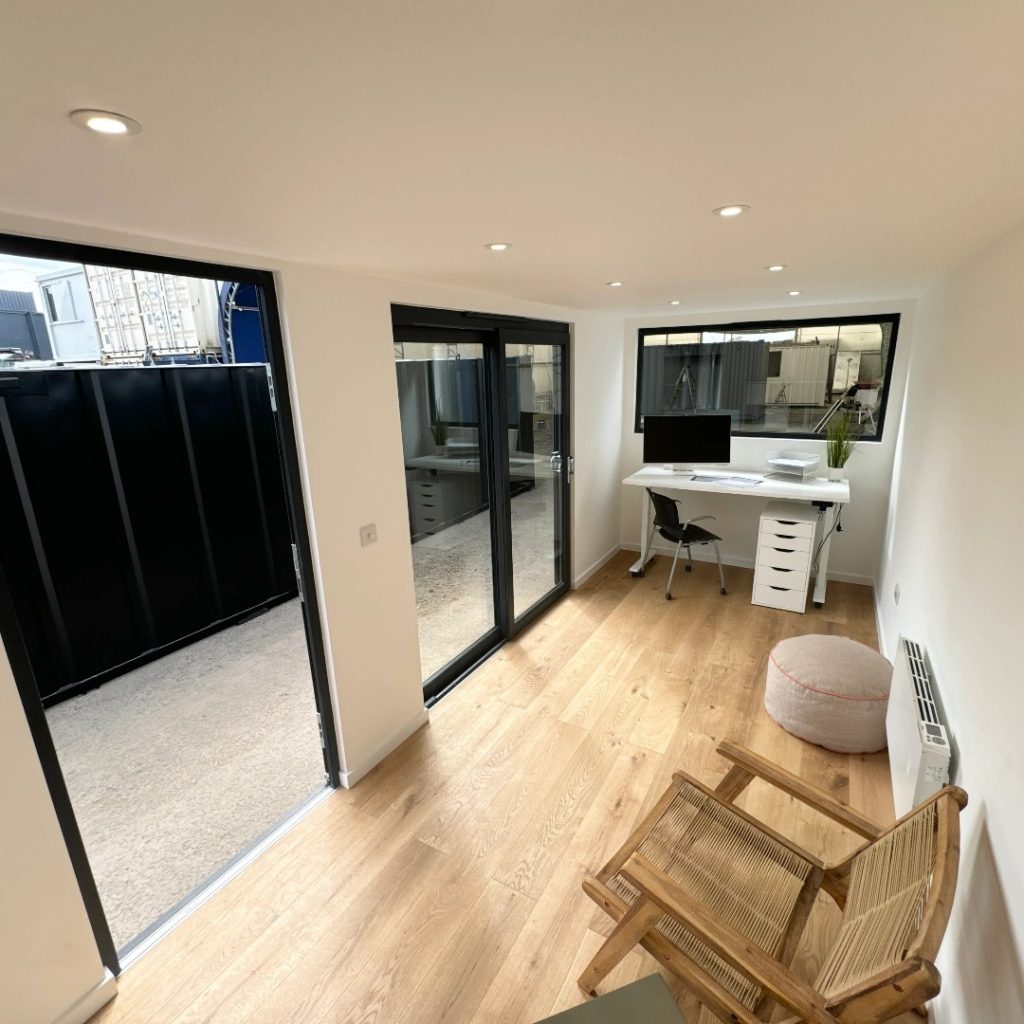
| Home Office or Guest Suite | Insulate walls, add drywall, a small bathroom, and Wi‑Fi connectivity. | Get a cost‑effective extra room without a traditional build permit. |
The possibilities are only limited by your imagination (and local zoning laws).
9. Wrap‑Up: Your Next Steps
- Write down your requirements (size, type, budget).
- Browse at least three sources (local yard, online marketplace, manufacturer).
- Inspect the container (look for rust, door seals, CSC plate).
- Calculate total cost, including delivery and any tweaks you’ll need.
- Finalize the purchase and arrange a delivery date that fits your schedule.
Congratulations—by the end of this guide you should feel confident that you can spot a great freight container, negotiate a fair price, and turn that steel box into a functional asset for your business or personal project.
Happy container hunting!