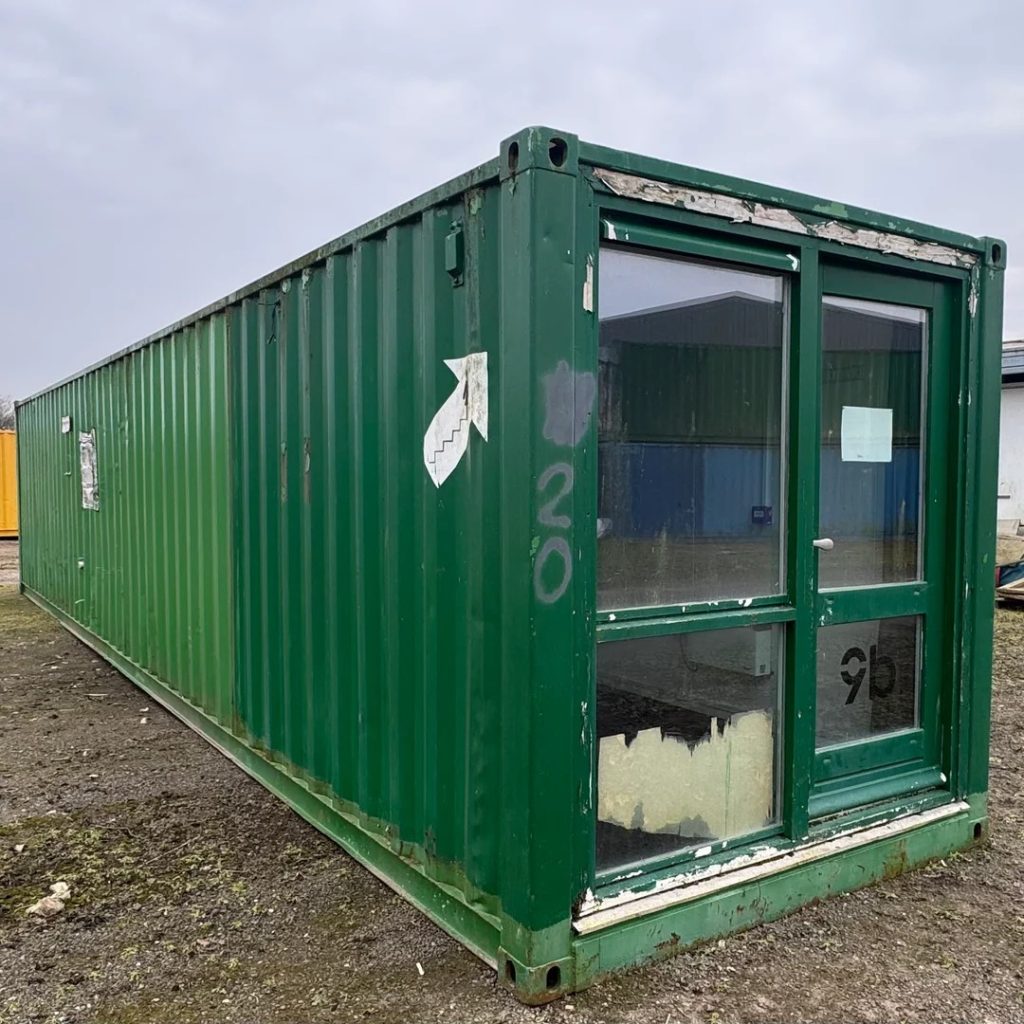
The Ultimate Guide to Storage & Shipping Containers: What You Need to Know
If you’ve ever needed a place to stash a few boxes of family heirlooms, a whole house full of furniture, or a shipment of products bound for a distant market, you’ve probably heard the words “storage container” or “shipping container.” But what’s the real difference between the two? How do you pick the right size, material, and location for your needs? And what hidden costs should you watch out for?
In this friendly, step‑by‑step guide you’ll discover everything you need to know to make a confident, cost‑effective decision—whether you’re a homeowner, small‑business owner, or a globetrotting entrepreneur. Grab a cup of coffee, settle in, and let’s dive into the world of containers!
1. Container 101 – What’s the Same, What’s Different?
| Feature | Storage Container | Shipping Container |
|---|---|---|
| Primary Purpose | Long‑term on‑site storage (personal, commercial) | Transport of goods via ship, rail, truck |
| Typical Placement | Private yards, rental facilities, construction sites | Ports, intermodal terminals, trucks |
| Common Materials | Steel (often with extra insulation), wood, or plastic | Corten steel (high‑grade, weather‑resistant) |
| ISO Standard | Not always ISO‑certified (but many are) | ISO 668 (20‑ft & 40‑ft standard) |
| Ventilation | Optional vents, sometimes HVAC | Usually minimal; relies on container’s airtightness |
| Security | Lockable doors, optional alarm systems | Heavy‑duty lock boxes, often sealed with a seal |
| Price Range (US) | $500 – $2,500 (20‑ft) | $2,500 – $5,000 (20‑ft) |
Bottom line: Both container types share the same robust steel shell, but storage containers are often tweaked for comfort (insulation, lighting, shelving), while shipping containers focus on durability for the high‑impact journey across oceans.
2. Picking the Perfect Size: A Quick‑Fit Calculator
Most people start their container quest by asking, “How big do I need?” Below is a quick reference that matches typical use‑cases with the most common ISO sizes.
| Size (ft) | Interior Volume (cu ft) | Approx. Square Footage (floor) | Ideal For |
|---|---|---|---|
| 10’ | 560 | 68 sq ft | Small tools, seasonal gear, 1‑2 rooms of furniture |
| 20’ | 1,170 | 115 sq ft | Full‑size bedroom set, 1‑2 small vehicles, 500‑700 boxes |
| 40’ | 2,390 | 240 sq ft | Full house contents, multiple vehicles, 1,500‑2,000 boxes |
| 45’ High‑Cube | 2,690 | 270 sq ft | Large machinery, bulk inventory, 2,500+ boxes |
How to estimate your needs in minutes:
- List every item you plan to store. (Furniture, boxes, appliances, etc.)
- Assign a rough volume (e.g., a queen mattress ≈ 30 cu ft, a standard cardboard box ≈ 1 cu ft).
- Add a 20‑30 % buffer for packing material, aisles, and future growth.
- Match the total to the table above.
If you’re still unsure, most container suppliers offer a free “layout planning service”—just send them a rough inventory, and they’ll suggest the perfect size and even draw a 3‑D layout for you.
3. Material Matters – Steel, Aluminum, or Plastic?
| Material | Pros | Cons | Best For |
|---|---|---|---|
| Corten Steel (standard) | Extremely strong, weather‑proof, resistant to rust | Heavy, can be pricey to transport | Long‑haul shipping, high‑security storage |
| Insulated Steel | Same strength + temperature control | Higher upfront cost, needs power for HVAC | Storing electronics, perishable goods, climate‑sensitive items |
| Aluminum | Light, corrosion‑resistant, easy to modify | Less structural strength, higher material cost | Mobile pop‑up shops, temporary event structures |
| Plastic (polycarbonate) | Rust‑free, lightweight, transparent options | Less secure, lower load capacity | Small‑scale storage, temporary outdoor use, DIY garden sheds |
If you’re storing antique furniture, electronics, or seasonal clothing, an insulated steel container with a modest HVAC system will protect against humidity and temperature swings. For construction equipment or bulk inventory, plain Corten steel does the job just fine.
4. Location, Location, Location – Where Should Your Container Live?
A. On‑Site (Your Property)
- Pros: Instant access, no rental fees, you can personalize (shelves, lighting).
- Cons: You’re responsible for security, grounds maintenance, and may need a permit.
Tip: Most municipalities require a “temporary storage permit” if the container sits on a public road or in a residential zone for more than 30 days. Call your local planning office before you park the container.
B. Off‑Site Storage Facility
- Pros: 24/7 security, climate control, flexible lease terms.
- Cons: Monthly rental costs, travel distance, limited customization.
Tip: Look for facilities that offer “container stacking”—you can stack two 20‑ft containers on a single pad, halving your footprint and sometimes saving up to 15 % on rent.
C. Port/Intermodal Yard
- Pros: Perfect if you’re shipping goods internationally; you’re already at the logistics hub.
- Cons: Higher fees for handling and storage, limited access for personal items.
Tip: If you’re using a “container freight station (CFS)”, ask about “pre‑loading services” where the operator loads your goods directly into the container—saving you time and labor.
5. The Hidden Costs You Must Budget For
| Cost Category | Typical Range (USD) | How to Minimize |
|---|---|---|
| Purchase Price | $500 – $5,000 | Buy used, inspected containers; negotiate bulk discounts |
| Delivery & Placement | $200 – $1,200 | Combine multiple deliveries; request a “drop‑off only” if you have a crane |
| Permits & Zoning Fees | $50 – $300 | Research local ordinances early; use a contractor to handle paperwork |
| Insurance | $150 – $600 per year | Bundle with existing business/homeowner policy; choose “all‑risk” coverage |
| Maintenance (painting, rust removal) | $100 – $400 per year | Apply protective coating annually; keep container covered when not in use |
| Utilities (electric, HVAC for insulated units) | $30 – $120 per month | Use energy‑efficient LED lighting, solar-powered ventilation fans |
Pro tip: Some vendors offer “lease‑to‑own” programs where you pay a modest monthly fee that eventually turns into ownership. This can be a great way to spread the cost while you test the container’s suitability.
6. Customizing Your Container – From Plain Box to Dream Space
- Shelving & Racking – Heavy‑duty steel racks (40‑lb capacity per shelf) maximize vertical space.
- Lighting – LED strip lights with motion sensors keep the interior bright without draining power.
- Security Upgrades – Add a biometric lock, alarm system, or CCTV camera with remote monitoring.
- Ventilation & Dehumidifiers – Small, solar‑powered fans keep airflow healthy; a compact dehumidifier prevents mold.
- Exterior Branding – Vinyl wraps or painted logos turn a container into a mobile showroom for pop‑up events.
When you’re ready to personalize, many local contractors specialize in “container retrofitting.” A typical retrofit (shelf + lighting + lock) for a 20‑ft unit runs $800–$1,200.
7. Real‑World Use Cases – Inspiration for Your Next Project
| Scenario | Container Choice | Key Features |
|---|---|---|
| Seasonal Home Storage | 20‑ft insulated steel | Climate control, lockable doors, floor decking |
| Construction Site Tool Shed | 10‑ft steel, open‑front | Easy access, heavy‑duty rollers, lockable latch |
| E‑Commerce Fulfillment Hub | 40‑ft high‑cube with racking | High ceiling for pallets, loading dock levelers |
| Mobile Coffee Shop | 20‑ft aluminum with windows | Custom interior, power hookups, branding wrap |
| International Freight (Electronics) | 40‑ft high‑cube, sealed & insulated | Temperature monitoring, tamper‑evident seals |
Take a moment to imagine which of these scenarios mirrors your own need. The possibilities are endless, and the right container can turn a logistical nightmare into a streamlined solution.
8. Quick Checklist – Are You Ready to Order?
- Define purpose (store, ship, sell, live).
- Calculate volume using the 3‑step estimator.
- Select material (standard steel vs. insulated).
- Choose size (10‑ft, 20‑ft, 40‑ft, high‑cube).
- Identify location (on‑site vs. off‑site).
- Research permits and local regulations.
- Compare quotes from at least three vendors.
- Plan for extras (delivery, insurance, customization).
- Schedule delivery with a clear plan for placement and anchoring.
If you tick every box, you’re on the road to container success!
Frequently Asked Questions (FAQ)
Q1: Can I stack two containers on top of each other?
A: Yes, as long as the containers are ISO‑rated for stacking (most 20‑ft and 40‑ft units are). You’ll need a sturdy foundation, a forklift or crane, and often a local permit. Stacking is popular for maximizing space at storage yards.
Q2: How long can I keep a container on my property?
A: Unlimited, provided you have the proper permits and the container meets local zoning regulations. Some homeowners keep a container for decades, using it as a permanent workshop or even a tiny home conversion.
Q3: Are used containers safe?
A: Absolutely—if they’re inspected. A reputable dealer will provide a “condition report” detailing any dents, rust, or structural issues. You can also request a “clean‑out” where the seller removes any debris and applies a fresh coat of rust‑inhibiting paint.
Q4: What’s the difference between a “dry container” and a “reefer”?
A: A dry container is the standard steel box you see on ships. A “reefer” (refrigerated container) has built‑in cooling units and is used for perishable goods like food or pharmaceuticals. Reefer units require a power source and are significantly more expensive to purchase and operate.
Q5: How do I secure a container against theft?
A: Install a high‑security lock (e.g., padlock with a hardened steel shackle), consider a bolt‑type door latch, and add an alarm or GPS tracking device. For high‑value items, a metal cage or a concrete slab anchoring the container can deter thieves.
Q6: Can I convert a container into a living space?
A: Yes! Many people turn 20‑ft or 40‑ft containers into tiny homes, office pods, or studio apartments. You’ll need to install insulation, plumbing, electrical wiring, and obtain building permits. Look for “container home kits” that include pre‑wired panels and HVAC modules.
Q7: What happens if my container gets damaged during delivery?
A: Most reputable transport companies offer “damage liability coverage.” Document the condition with photos before loading, and keep the delivery receipt. If damage occurs, file a claim within the carrier’s specified window (usually 48‑72 hours).
Q8: Are there eco‑friendly options?
A: Yes! Some manufacturers recycle old containers into “green” storage units with solar panels, rainwater collection, and low‑VOC paints. Choosing a used container also reduces steel waste—a win‑win for the planet.
Wrap‑Up: Your Container Journey Starts Now
Whether you’re decluttering the garage, launching a pop‑up shop, or shipping a pallet of products overseas, a well‑chosen container can simplify the process, protect your assets, and even add a splash of style. Remember the three pillars of a smart container decision:
- Fit – Right size, right material, right features.
- Location – Where it lives influences cost, security, and convenience.
- Customization – Tailor it to your exact needs without breaking the bank.
Take the checklist, run the quick‑fit calculator, and start reaching out to a few vetted suppliers. In no time, you’ll have the perfect steel‑clad ally ready to store, ship, or showcase whatever you need.
Happy container hunting! 🚢📦🏡