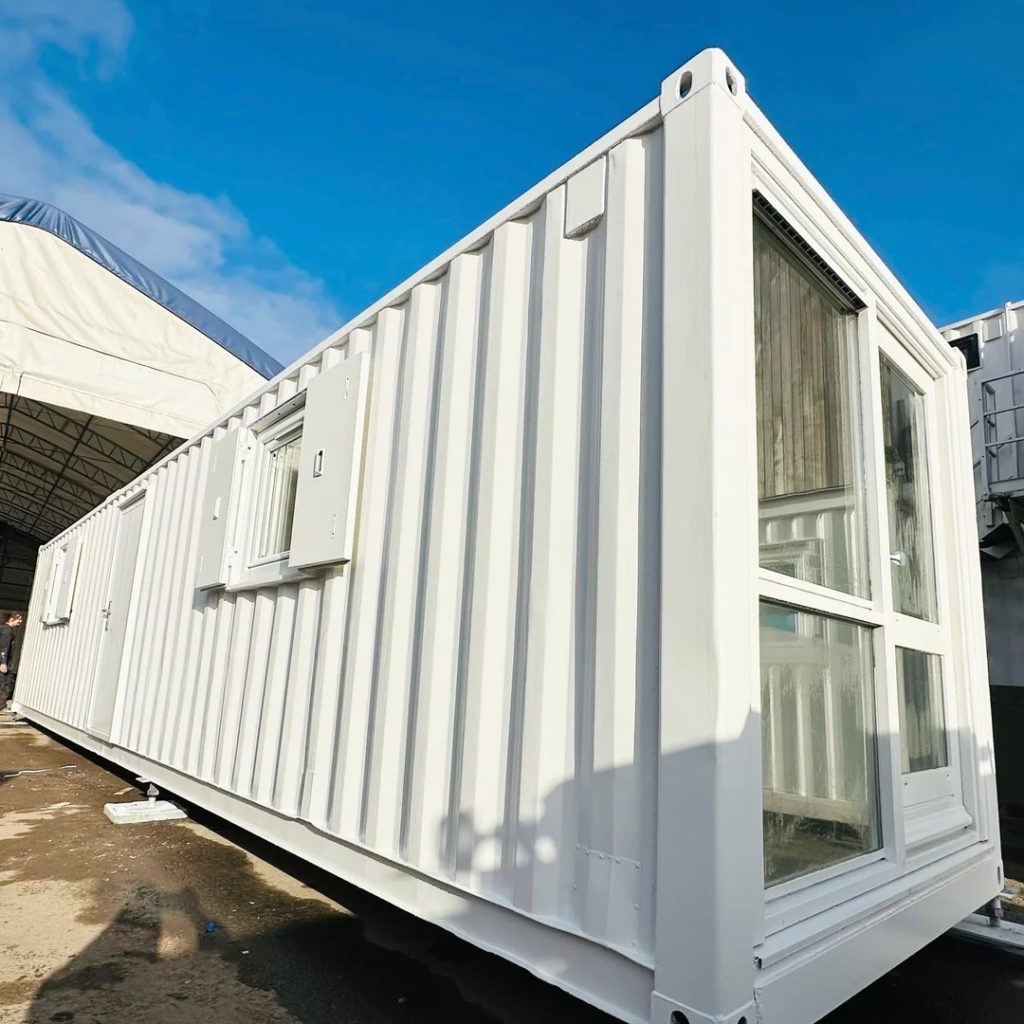
The Ultimate Guide to Using Storage Shipping Containers
If you’ve ever wished there was a sturdy, weather‑proof “box” that could hold everything from seasonal décor to a complete workshop, you’re in the right place. Shipping containers—those massive, steel boxes you see stacked at ports—have become the go‑to solution for homeowners, small business owners, and even adventurous DIY‑ers who need reliable storage. In this friendly, step‑by‑step guide, we’ll walk you through what containers are, how to pick the perfect one, creative ways to use them, and how to keep them in top shape. By the end, you’ll be ready to make a smart, budget‑friendly decision that matches your storage needs.
1. Why Shipping Containers Are the Storage Heroes You Need
| ✅ Feature | 💡 What It Means for You |
|---|---|
| Durability | Made of CORTEN steel, they resist rust, dents, and heavy impacts. |
| Weather‑proof | Fully sealed doors, waterproof floors, and corrosion‑resistant paint keep contents dry. |
| Security | Heavy‑duty lock systems and reinforced doors deter thieves. |
| Modularity | Stack, combine, or cut them to fit any site or layout. |
| Mobility | One‑truck‑away from anywhere—perfect for temporary projects or relocations. |
| Cost‑effective | New or refurbished units start at a few hundred dollars, far cheaper than building a shed. |
Those bullet points sound like a checklist, right? That’s because they are one. When you compare a shipping container to a traditional wooden shed, you’ll quickly see the financial and functional advantages.
2. The Different Types of Containers
Not all containers are created equal. Choosing the right style will save you headaches (and money) later on.
| Container Type | Typical Dimensions (L × W × H) | Ideal Uses |
|---|---|---|
| Standard Dry Container | 20‑ft (20 × 8 × 8.5 ft) or 40‑ft (40 × 8 × 8.5 ft) | General storage, tools, seasonal gear |
| High‑Cube Dry Container | Same footprint, +1 ft height (8.5 → 9.5 ft) | Taller items, workshop space, small office |
| Reefer (Refrigerated) Container | Same sizes, insulated walls & cooling unit | Food storage, pharmaceuticals, temperature‑sensitive items |
| Open‑Top Container | Same footprint, removable roof | Heavy machinery, lumber, bulk items |
| Flat‑Rack Container | Two sidewalls + frame, no roof | Oversized cargo like vehicles or construction beams |
| Specialty Containers (e.g., Ventilated, Bulkhead, Half‑Height) | Varies | Specific industry needs, ventilation for plants, low‑profile storage |
Pro tip: For most homeowners, a standard 20‑ft dry container or a high‑cube 40‑ft will cover everything from garden tools to a hobby workshop.
3. How to Pick the Perfect Container for Your Space
Step‑by‑Step Checklist
- Measure Your Site – Mark the exact footprint you have available. Remember to leave at least 2 ft of clearance for doors to swing open.
- Determine Height Requirements – Do you need to store tall ladders or a bike? A high‑cube gives you that extra foot of vertical space.
- Consider Climate – If you live in a humid region, look for containers with a corrosion‑resistant coating or consider a repaint with a marine‑grade paint.
- Plan for Utilities – Want lights, electricity, or a small HVAC? Choose a container with pre‑cut openings or be ready to have a professional fabricate them.
- Budget & Financing – New containers cost $2,500–$5,000 (20‑ft) and $4,500–$7,500 (40‑ft). Refurbished units can be 30‑50 % cheaper.
- Check Local Regulations – Some municipalities require a permit for a permanent structure over a certain size. Look up the zoning codes before you order.
Quick Comparison: New vs. Refurbished
| Feature | New Container | Refurbished Container |
|---|---|---|
| Price Range | $2,500–$7,500 | $1,200–$4,000 |
| Condition | Factory‑fresh, no dents | Minor dents, rust patches (often repaired) |
| Customization | Often requires extra cost | Usually already modified (doors, windows) |
| Warranty | 1–2 years | Typically none, sold “as‑is” |
| Delivery Time | 2–4 weeks | 1–2 weeks (local stock) |
If you’re on a shoestring budget and don’t mind a little surface work, refurbished is the way to go. If you want a pristine look for a backyard office, go new.
4. Creative Ways to Use a Shipping Container
You might think of a container as just a metal box, but the design flexibility is practically endless.
| Idea | How to Do It | Benefits |
|---|---|---|
| Backyard Workshop | Install a workbench, add power outlets, and a skylight. Paint the interior a bright color. | Organized space, weather‑proof, mobile if you need to relocate. |
| Mini Home Office | Add insulation, drywall, a small desk, and a window. Use a solar panel on the roof for power. | Quiet, separate from house noise, low‑cost office. |
| Garden Shed + Potting Station | Cut a side door for easy access, install shelves, and a small sink. | Keeps tools dry, protects plants from frost. |
| Pop‑Up Retail Store | Add branding graphics, install a refrigeration unit for drinks, and a POS system. | Eye‑catching on events, easy to set up and break down. |
| Pet Habitat | Line with insulation, install ventilation grates, and a dog door. | Safe, temperature‑controlled space for large dogs or cats. |
| Emergency Shelter | Equip with a solar charger, battery bank, and basic furnishings. | Rapid deployment in disaster zones, robust construction. |
Pro tip: If you’re planning interior modifications, insulate first. A simple spray‑foam or rigid foam board will keep temperature swings at bay and improve sound dampening.
5. Maintaining Your Container: Keep It Ship‑Shape
Even the toughest steel needs a little TLC.
| Maintenance Task | Frequency | How‑to |
|---|---|---|
| Wash Exterior | Quarterly | Use mild soap, water, and a pressure washer on low‑pressure setting. |
| Inspect Doors & Locks | Monthly | Check hinges, seals, and replace any rusted bolts. |
| Paint Touch‑Ups | Annually (or after major rust appears) | Use marine‑grade paint; sand rust spots before coating. |
| Check Roof & Floor for Puddles | After heavy rain | Ensure drainage holes are clear; add a floor mat if water pools. |
| Ventilation Check | Every 6 months | Clean any vents or fans; replace filters if you have HVAC. |
| Pest Inspection | Bi‑annually | Look for signs of rodents or insects, seal any gaps. |
If you follow this simple schedule, your container will stay functional for decades, and you’ll avoid costly repairs down the line.
6. Cost Breakdown: What Should You Expect to Pay?
Below is a rough estimate for a standard 20‑ft container fully equipped for a home office or workshop.
| Item | Approx. Cost (USD) |
|---|---|
| Container (new) | $2,800 |
| Delivery (local, 30 mi) | $300 |
| Insulation (spray foam) | $600 |
| Electrical wiring & outlets | $400 |
| Interior flooring (epoxy) | $250 |
| Door lock upgrade | $150 |
| Paint & finish (exterior) | $250 |
| Total | $4,750 |
If you opt for a refurbished unit and DIY the interior, you could drop the total to $2,500–$3,000. The biggest cost drivers are insulation and electrical work, so get multiple quotes if you’re not a DIY‑pro.
7. Frequently Asked Questions (FAQ)
Q1: Do I need a permit to place a shipping container on my property?
A: It depends on local zoning laws. Many jurisdictions treat a container under 10 ft tall as a temporary structure, which may not require a permit. However, if you plan to anchor it permanently or add utilities, you’ll likely need a building permit. Always check with your city or county building department first.
Q2: Can I stack containers on top of each other?
A: Yes! Containers are engineered to carry the weight of another container on top. For a safe stack, the bottom unit should be placed on a level, reinforced foundation, and the top unit must be properly secured with twist‑locks or welding.
Q3: How do I cool a container during hot summer months?
A: A few options:
- Ventilation fans and roof vents for passive airflow.
- Portable air‑conditioner (requires a power source).
- Insulation + reflective roof paint to keep the interior temperature stable.
Q4: Is it possible to add windows?
A: Absolutely. Most container conversion companies offer pre‑cut window kits, or you can hire a metal fabricator to cut openings and install frames. Remember to reinforce the surrounding steel to maintain structural integrity.
Q5: What’s the lifespan of a shipping container?
A: With proper maintenance, a container can last 30–40 years or more. The steel itself is designed to survive the harsh marine environment, so the limiting factor is usually the interior finish and any corrosion that goes unchecked.
Q6: Can I install solar panels on the roof?
A: Yes! The flat, sturdy roof is perfect for mounting lightweight solar panels. You’ll need to add a mounting rack and run wiring to an inverter inside the container if you want AC power.
Q7: How do I make the container more eco‑friendly?
A:
- Choose a refurbished container to give a used product a second life.
- Use recycled insulation (e.g., denim or cellulose).
- Install a rainwater harvesting system on the roof for cleaning or gardening.
8. Ready to Dive In? Your Action Plan
- Sketch Your Vision – Draw a quick floor plan of what you want inside (workbench, shelves, etc.).
- Measure & Clear the Site – Confirm you have enough space, level ground, and proper drainage.
- Get Quotes – Contact at least three suppliers for both new and refurbished containers.
- Budget for Extras – Include delivery, foundation, and any interior modifications.
- Secure Permits – If required, file paperwork now to avoid delays.
- Schedule Delivery – Arrange a date when you or a contractor can oversee placement.
- Start the Build – Follow the maintenance checklist while you customize; you’ll love watching the transformation!
9. Final Thoughts
Shipping containers are more than just a clever way to ship goods across oceans—they’re a versatile, affordable, and rugged solution for anyone who needs extra space. Whether you’re looking to create a tidy garden shed, a DIY workshop, a pop‑up boutique, or even a tiny home office, the container can adapt and grow with you.
Take the time to measure, plan, and research, and you’ll find a container that fits both your budget and your imagination. Remember, the sky’s not the limit; the container’s walls are just a starting point. Happy building! 🚢🏡