Buying a 20‑Foot Shipping Container: The Complete Guide for You
Whether you’re a small‑business owner looking for extra storage, a DIY‑enthusiast planning a backyard office, or a farmer needing a sturdy shelter for equipment, a 20‑foot container (often called a “20ft container”) can be the most cost‑effective solution. But the market is flooded with options, jargon, and hidden costs that can turn a simple purchase into a headache. This guide walks you through every step of the buying process, from understanding the different container types to negotiating the best price and keeping your container in top shape.
1. Why a 20‑Foot Container?
| Benefit | What It Means for You |
|---|---|
| Standard Size | 20 ft × 8 ft × 8.5 ft (or 9.5 ft high) – fits most trucks, trailers, and shipping containers. |
| Versatility | Use it as a storage unit, workshop, pop‑up shop, tiny home, or even a solar‑powered office. |
| Durability | Made from Corten steel, it resists rust, harsh weather, and heavy loads. |
| Security | Lockable, ISO‑rated doors make it hard for thieves to break in. |
| Cost‑Effective | New units start around $2 000–$3 000; used units can be under $1 500. |
| Mobility | Easy to transport on a flatbed truck or ship to another country. |
If any of those points line up with what you need, a 20ft container is probably the right choice.
2. Types of 20‑Foot Containers
Not all containers are created equal. Below is a quick‑reference table to help you pick the right style.
| Type | Typical Use | Key Features | Average Price (US$) |
|---|---|---|---|
| Dry (Standard) Container | General storage, office conversion | Solid walls, weather‑tight doors, ISO‑rated, 1‑door | 1,500–3,500 (used) |
| Refrigerated (Reefer) | Cold‑chain logistics, food storage | Insulated panels, built‑in cooling unit, requires power | 5,000–9,000 (used) |
| Open‑Top Container | Heavy machinery, timber, oversized cargo | Removable tarpaulin roof, crane access | 1,800–3,800 (used) |
| Flat‑Rack Container | Vehicles, containers, large pipes | Collapsible side walls, sturdy frame | 2,000–4,000 (used) |
| High‑Cube Container (9.5 ft height) | More interior volume, office, studio | Extra foot of headroom, same dimensions otherwise | 2,000–4,000 (used) |
| Ventilated Container | Agricultural products, plants | Roof vents, side louvres, airflow | 1,800–3,200 (used) |
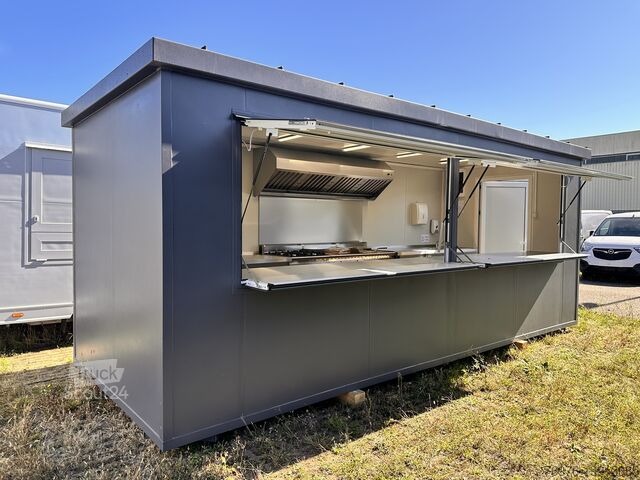
| Modified/Custom Container | Pop‑up shops, shelters, tiny homes | Windows, doors, insulation, interior finishes | Varies widely (often $4 000+) |
Tip: If you only need basic storage, the standard dry container is the cheapest and easiest to find. If you plan to convert it into a living or working space, consider a high‑cube model for that extra headroom.
3. Factors to Consider Before You Buy
- Condition – New, “one‑trip” (used once), or used. Look for rust, dents, and water damage.
- Certification – ISO 668 (size), CSC (Convention for Safe Containers), and any regional certifications required for storage of hazardous goods.
- Dimensions – Verify internal dimensions (20 ft × 7.7 ft × 7.9 ft for standard; 8.5 ft × 7.9 ft × 7.9 ft for high‑cube).
- Doors & Locks – Check that the door hinges, seals, and locks function smoothly.
- Location of Purchase – Buying locally reduces shipping costs, but overseas suppliers may offer lower prices.
- Delivery & Placement – Do you need a crane, a forklift, or a simple pallet jack? Factor in site preparation (level ground, foundation).
- Budget for Modifications – Insulation, electrical wiring, windows, and interior finishes add to total cost.
- Financing & Insurance – Some sellers offer financing; you’ll also need cargo or property insurance during transport and for the container’s lifetime.
4. Where to Find a 20‑Foot Container
| Source | Pros | Cons | Typical Price Range |
|---|---|---|---|
| Manufacturer (e.g., Maersk, CIMC) | Brand‑new, warranty, ISO‑certified | Higher price, longer lead time | $2,500–$3,500 |
| Local Dealer / Yard | Immediate availability, inspection possible | May charge handling fees | $1,600–$3,200 |
| Online Marketplace (e.g., eBay, Alibaba) | Wide selection, sometimes cheaper | Variable seller reliability, shipping logistics | $1,200–$4,000 |
| Auction (Govt. surplus, Shipping lines) | Deep discounts, often “one‑trip” units | Limited inspection, need quick decision | $800–$2,500 |
| Freight Forwarder / Shipping Company | Bundle shipping with purchase, expertise | May add markup for service | $1,800–$3,800 |
Quick tip: Always request recent photos, a condition report, and the container’s CSC plate number before committing.
5. Sample Cost Breakdown
Below is a realistic cost model for a used standard 20ft container purchased in the United States and delivered to a suburban lot.
| Item | Estimated Cost (US$) | Notes |
|---|---|---|
| Purchase price (used, good condition) | 1,800 | Includes CSC certification |
| Delivery (50 mi, flatbed truck) | 350 | Requires a crane for off‑loading |
| Site preparation (concrete pads, leveling) | 500 | 2 × 2 ft pads for each corner |
| Modification (insulation, interior lighting) | 800 | R‑13 insulation + LED strip |
| Permit (if local zoning requires) | 150 | Varies by municipality |
| Insurance (first year, cargo) | 120 | Based on $3,000 value |
| Total | 3,720 |
If you opt for a new high‑cube or a refrigerated unit, the total can easily exceed $7,000‑$10,000. Use this table as a template and adjust numbers to your location and needs.
6. How to Inspect a Used Container
- Exterior Scan – Look for rust spots larger than 1 sq in, dents that may compromise structural integrity, and missing paint.
- Door & Seal Check – Open and close the door several times. Ensure the rubber seal is intact and not cracked.
- Floor Condition – Walk across the floor; it should be level, free of deep pits, and not warped.
- Interior Inspection – Check for water stains, mold, or pest damage.
- Cargo‑Hold Report – Ask the seller for a “CSC plate” photo and the container’s last inspection date.
- Load Test (if possible) – Place a known weight (e.g., 2 000 lb pallet) inside and verify that the floor holds without sagging.
Red Flag: Any sign of “wet” or “mold” inside suggests a previous leak. Such containers often require expensive interior refurbishment.
7. Financing, Insurance, and Legalities
| Aspect | What You Need to Do |
|---|---|
| Financing | Many container dealers partner with banks or offer in‑house installment plans (usually 6–24 months). Compare APRs; a 5 % rate on a $2,500 loan adds only $125 in interest over a year. |
| Insurance | A basic cargo policy covers loss or damage during transport (average $0.05 per $1,000 of value per mile). For long‑term use, add property insurance to protect against fire, theft, or natural disaster. |
| Title & Registration | In most U.S. states, containers are considered personal property; you receive a bill of sale. Some municipalities require registration if the container is used as a dwelling. |
| Permits | Check local zoning—some areas restrict “temporary structures” or require a setback from property lines. Obtain any necessary building permits before modifications. |
8. Delivery & Placement Checklist
- Ground Assessment: Soil should be compacted; a concrete slab or gravel pad prevents settling.
- Access Path: Ensure a clear route for the delivery truck, with a turning radius of at least 18 ft.
- Cranes/Equipment: For a 20ft container (≈ 4,500 lb empty), a small truck‑mounted crane or a hydraulic lift will suffice.
- Utilities (if needed): Plan for electricity, water, or internet before the container arrives.
- Security: Install a lock, motion sensors, or a simple fence to deter theft.
9. Maintaining Your 20‑Foot Container
- Regular Cleaning – Sweep interior and wash exterior with mild detergent to prevent rust.
- Inspect Seals – Replace rubber door seals every 2–3 years, especially in hot climates.
- Paint Touch‑Ups – Touch up any scratches with rust‑inhibiting paint.
- Ventilation – If you store moisture‑sensitive items, install a vent or dehumidifier.
- Annual Inspection – Have a qualified inspector check the structural integrity and CSC certification status.
10. Quick Purchase Checklist
- Determine container type (dry, high‑cube, etc.)
- Set a realistic budget (include delivery & mods)
- Verify seller’s CSC plate and inspection report
- Arrange financing or confirm payment terms
- Obtain insurance quotes for transport and property
- Secure a delivery date and confirm site access
- Check local zoning/permits for intended use
- Conduct final inspection before signing the bill of sale
Frequently Asked Questions (FAQ)
Q1: How long does a 20ft container last?
A: If properly maintained, a steel container can exceed 30 years. The primary threats are rust (especially in coastal areas) and structural fatigue from repeated loading.
Q2: Can I stack a 20ft container on another container?
A: Yes, the standard ISO design allows stacking up to three units high (depending on load rating). Use a certified container crane and ensure the bottom container’s floor is rated for the combined weight.
Q3: Do I need a permit to place a container on my property?
A: It varies by jurisdiction. Residential zones often require a building permit if the container will be used as a dwelling or office. Storage-only use may be exempt, but always check with your city’s planning department.
Q4: What’s the difference between “one‑trip” and “used” containers?
A: “One‑trip” containers have only been used once—typically for a single shipment—and are in near‑new condition. “Used” containers may have undergone multiple cycles, showing more wear, but they are cheaper.
Q5: How can I make a container more energy‑efficient?
A: Add insulation (spray foam, rigid panels, or blanket insulation), install energy‑efficient LED lighting, and consider a solar panel kit for off‑grid power. A high‑cube container provides extra interior volume, reducing the need for interior walls.
Q6: Is it possible to get a custom‑painted container?
A: Absolutely. Many dealers offer in‑house painting services for an additional $200–$500, depending on design complexity. Ask for a sample of the paint’s UV resistance.
Q7: What should I do if the container arrives damaged?
A: Document the damage with photos, notify the carrier and seller immediately, and file a claim with your insurance. Most reputable sellers will arrange a replacement or discount.
Wrap‑Up: Your Next Move
Buying a 20ft container is far more than a simple “$2,000 purchase.” It’s a strategic investment that can free up space, protect valuable assets, or even serve as a foundation for a tiny‑home dream. By understanding the different container types, scrutinizing condition reports, and budgeting for delivery, modifications, and ongoing maintenance, you’ll walk away with a container that serves you for years to come.
Take the checklist above, compare the tables, and start contacting reputable dealers today. Within a few weeks, you could be driving a flatbed truck into your driveway, watching the doors swing open on a brand‑new (or freshly refurbished) 20‑foot steel box—ready for whatever you have in mind. Happy container hunting!