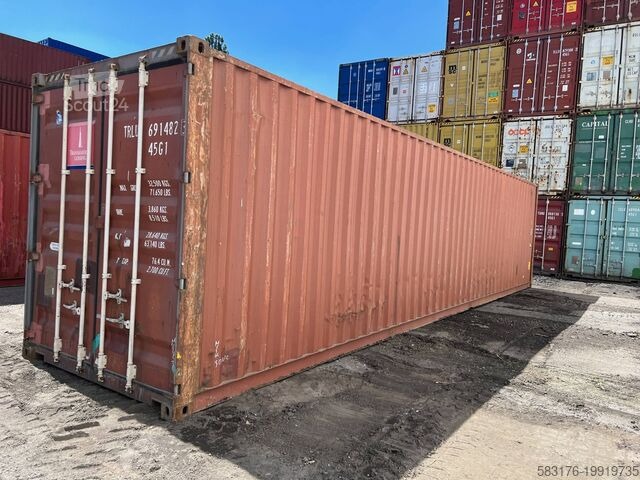
Your Complete Guide to Buying a Shipping Container
When you first hear the word container, you might picture a massive steel box stacked on a dock, waiting to be loaded onto a cargo ship. In reality, a shipping container can become a versatile asset for a wide variety of personal and business needs—from a secure storage unit for seasonal gear to a modular office space, a pop‑up shop, or even a tiny home. If you’re ready to make the purchase, this guide walks you through every decision point, so you can buy the right container with confidence.
Key Takeaway: Treat a container like any other major purchase—define the purpose, understand the specifications, compare vendors, and verify the condition before you sign the contract.
1. Why Buy a Container?
| Benefit | How It Helps You |
|---|---|
| Durability | Made of C‑rated steel, containers resist weather, corrosion, and impact. |
| Security | Lockable doors, robust hinges, and the ability to add CCTV or alarm systems keep contents safe. |
| Portability | Standard dimensions (20‑ft, 40‑ft, 45‑ft) allow easy transport by truck, rail, or ship. |
| Modular Flexibility | Stack or link multiple units to create larger spaces without permanent construction. |
| Cost‑Effectiveness | A new 20‑ft container can cost $2,500–$3,500, while a used one can be under $1,500—far cheaper than building a traditional structure. |
| Quick Deployment | No building permits needed in many jurisdictions for a standalone container; it can be placed and used within days. |
If any of these advantages line up with your goals—whether you need a storage solution for equipment, an on‑site office for a construction crew, or a mobile retail booth—buying a container could be the smartest move you make this year.
2. Types of Shipping Containers
Not every container is created equal. Below is a quick reference to help you decide which model fits your project.
| Container Type | Typical Size (L×W×H) | Key Features | Common Uses |
|---|---|---|---|
| Standard Dry (ISO) Container | 20 ft (20′ × 8′ × 8′ 6″) / 40 ft (40′ × 8′ × 8′ 6″) | Weather‑tight, no ventilation, standard doors | General storage, office conversion |
| High‑Cube Dry Container | 40 ft (40′ × 8′ × 9′ 6″) | Extra 1 ft vertical space | Larger equipment, taller shelving |
| Reefer (Refrigerated) Container | 40 ft (40′ × 8′ × 8′ 6″) | Integrated cooling unit, insulated walls | Perishable goods, cold storage |
| Open‑Top Container | 20 ft / 40 ft | Removable roof, tarpaulin cover | Oversized cargo, loading by crane |
| Flat‑Rack Container | 20 ft / 40 ft | Collapsible sides, no walls | Heavy machinery, vehicles |
| Ventilated (Dry‑Van) Container | 20 ft / 40 ft | Roof vents, side vents | Produce, grains, chemicals |
| Modified / Specialty Container | Custom | Windows, doors, internal partitions | Pop‑up shops, tiny homes, labs |
Tip: If you plan to cut openings for windows or doors, choose a new or nearly new container. Modifying a heavily used container can compromise its structural integrity.
3. How to Determine the Right Size
The two most common sizes—20‑foot and 40‑foot—account for the bulk of the market. Use the following checklist to gauge your space requirements:
- Inventory List – Write down every item you intend to store or use inside the container. Include dimensions and any special handling needs (e.g., temperature control).
- Floor Plan Sketch – Draw a simple layout on graph paper (1 square = 1 ft²). Arrange the items to see if they fit comfortably with room for aisles.
- Future Expansion – Consider whether you’ll need extra space in 1–2 years. It’s often cheaper to buy a 40‑ft container now than to purchase a second unit later.
- Access Points – Remember that the door width is only 7 ft 11 in. Large equipment may need to be loaded through the side or via a crane.
Rule of thumb: For DIY home workshops and small‑business inventory, a 20‑ft container typically provides 1,172 ft² of floor space (including walls). A 40‑ft high‑cube gives you about 2,720 ft²—almost double.
4. New vs. Used: What’s the Trade‑off?
| Factor | New Container | Used Container |
|---|---|---|
| Cost | $2,500–$4,500 (20‑ft) $4,000–$6,500 (40‑ft) | $800–$2,000 (20‑ft) $1,500–$3,500 (40‑ft) |
| Condition | Pristine, no dents, fresh paint, no rust | May have dents, rust spots, broken seals |
| Warranty | 1‑year structural warranty from manufacturer | Usually “as‑is”; limited or no warranty |
| Customization | Easier to cut openings, install insulation, etc. | Modifications may be more costly due to repairs |
| Lead Time | 2–4 weeks (factory) | Immediate availability, often on‑site delivery |
If you’re using the container for high‑value items or as a living space, the extra peace of mind from a new unit usually pays off. For temporary storage or a low‑budget project, a well‑inspected used container can be a smart choice.
5. Steps to Buying a Container
Below is a practical, step‑by‑step list that you can follow from the moment you start searching to the day the container sits on your property.
- Define the Purpose
Write a one‑sentence mission statement: “I need a secure 20‑ft container to store gardening tools and a small workbench.” - Set a Budget
Include purchase price, delivery, taxes, and any modifications. - Research Suppliers
- Local dealers (often near ports or rail yards)
- Online marketplaces (e.g., eContainer, ContainerOne)
- Auctions (government surplus, maritime auctions)
- Request Quotes
Ask for price breakdowns (container, delivery distance, permit fees). - Inspect the Container
- Exterior: Look for dents, rust, and corrosion on corners.
- Doors & Locks: Ensure hinges move freely and seals are intact.
- Floor: Check for water damage or structural warping.
- Certification: Verify the ISO number (e.g., CSC plate) and any compliance certificates.
- Negotiate Terms
- Ask for a 30‑day inspection period.
- Inquire about delivery scheduling (weekends may be cheaper).
- Confirm who bears the risk of loss during transport (incoterms).
- Finalize the Purchase
- Sign a purchase agreement that outlines warranty, return policy, and any after‑sales service.
- Arrange payment (most sellers accept wire transfer, some accept credit cards for smaller orders).
- Plan the Delivery
- Obtain any necessary site permits (e.g., for road closures).
- Ensure ground is level and compacted; consider a concrete pad or timber sleepers.
- Set Up Utilities (if needed)
- Electrical wiring (NEC‑compliant).
- Insulation and HVAC for habitable units.
- Perform a Final Check
- Verify door alignment, lock operation, and any installed features.
Pro tip: Keep a copy of the CSC (Container Safety Convention) plate photo. It contains the container’s identification number, manufacturer, and last inspection date—useful for insurance and resale later.
6. Common Pitfalls and How to Avoid Them
| Pitfall | Impact | Prevention |
|---|---|---|
| Buying a container with hidden structural damage | Compromised safety, expensive repairs | Conduct a thorough visual inspection; request a structural inspection report if buying used. |
| Ignoring local zoning regulations | Fines, forced removal | Check with your city planning office before purchase. |
| Underestimating delivery costs | Unexpected budget overrun | Request a full delivery quote that includes mileage, loading/unloading equipment, and any permits. |
| Skipping insulation for an office conversion | Uncomfortable temperature, high energy bills | Include a R‑value target (e.g., R‑13 for walls) in your specs. |
| Not verifying the CSC plate | May receive an illegal or counterfeit container | Match the plate number with the seller’s paperwork and ask for the last CFS (Container Freight Station) inspection report. |
7. Frequently Asked Questions (FAQ)
Q1: How long does a shipping container last?
A: A well‑maintained steel container can last 30–40 years before major corrosion becomes an issue. Proper coating and periodic cleaning prolong its life.
Q2: Do I need a permit to place a container on my property?
A: It depends on local zoning laws. In many rural areas, a permit isn’t required, but urban municipalities often require a temporary use permit or building permit for structures over a certain size.
Q3: Can I stack containers on top of each other?
A: Yes, but only containers designed for stacking (most ISO containers have corner castings rated for vertical loads). For a two‑story setup, ensure the foundation can handle the combined weight—consult a structural engineer.
Q4: Are there financing options for buying containers?
A: Some vendors offer lease‑to‑own or equipment financing plans. Banks also treat containers as capital equipment and may provide loans similar to machinery financing.
Q5: How do I secure a container against theft?
A: Use high‑security padlocks, reinforce door hinges with bolted plates, install CCTV and an alarm system, and consider a steel grating over the door opening.
Q6: What’s the difference between a “dry‑van” and a “high‑cube” container?
A: Both are standard dry containers, but a high‑cube adds 1 ft of interior height, giving you extra vertical space without increasing the footprint.
Q7: Can I paint or customize the exterior?
A: Absolutely. Use marine‑grade epoxy paint for durability. If you’re adding cladding or signage, ensure you don’t obstruct the corner castings or ventilation grilles.
Q8: How much does delivery typically cost?
A: Delivery varies by distance and terrain. As a rule of thumb, expect $0.30–$0.60 per mile for short hauls, plus $150–$300 for loading/unloading.
Q9: Is it possible to get a container with built‑in electricity?
A: Yes. Some vendors offer pre‑wired containers with outlets, lighting, and even solar panels. Ask for an electrical plan that complies with local codes.
Q10: What insurance should I get for my container?
A: Look for commercial property insurance that covers the container’s contents, as well as all‑risk coverage for the container itself (damage during transport, fire, theft). If the container is used as a workspace, consider general liability as well.
8. Real‑World Examples
| Scenario | Container Choice | Why It Works |
|---|---|---|
| Urban pop‑up coffee shop | 20‑ft high‑cube, retro‑fitted with windows & HVAC | Compact footprint, eye‑catching façade, quick setup |
| Construction crew on a remote site | 40‑ft standard dry container, outfitted with lockable tool racks | Large storage, secure, easy to transport on a flatbed |
| Homeowner needing seasonal storage | Used 20‑ft container, refurbished paint, basic lock | Low cost, sufficient space for garden gear, can be placed in the driveway |
| Cold‑storage for local bakery | 40‑ft reefer container, temperature 2–4 °C | Maintains consistent chill for pastries, reduces waste |
| Tiny‑home enthusiasts | 40‑ft high‑cube, interior partitioned into living area, kitchen, bathroom | Maximizes floor area, taller ceilings feel spacious, easily movable |
These cases illustrate how a single type of container can be adapted to wildly different needs. The key is to start with the end use, then match the specifications and modifications accordingly.
9. Bottom Line – Make an Informed Purchase
Buying a shipping container is more than a transaction; it’s a strategic decision that can unlock new possibilities for your business, hobby, or living situation. By following the systematic approach outlined above—defining purpose, selecting size/type, inspecting condition, and handling logistics—you’ll avoid common traps and secure a container that serves you for years to come.
Remember:
- Know your requirements before you look at prices.
- Inspect every container (new or used) for structural integrity.
- Factor in delivery, permits, and modifications into your total cost.
- Leverage warranties and certifications to protect your investment.
When you’ve done the homework, the moment a steel box rolls onto your property, you’ll feel the reward of a purchase made with confidence.
Ready to start?
Take the first step today: write down what you need the container for, set a realistic budget, and reach out to at least three reputable suppliers for quotes. Within a week, you’ll have the data you need to choose the perfect container—and a brand‑new or refurbished steel companion ready to become part of your project. Happy buying!