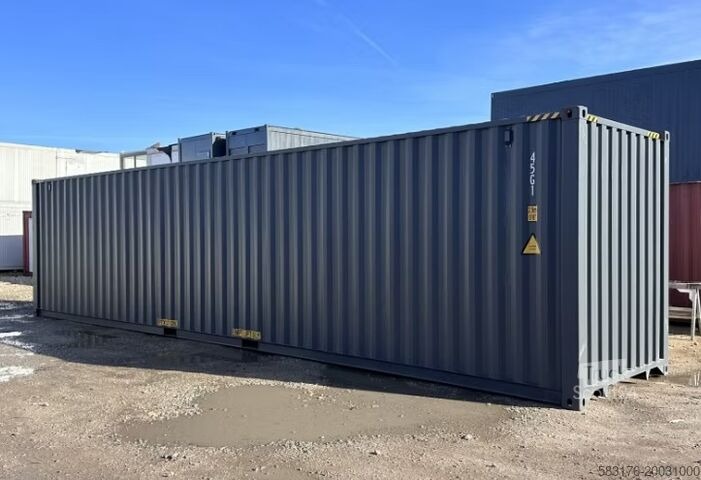
Cargo Shipping Containers for Sale: The Complete Buyer’s Guide
If you’re reading this, you’ve probably already realized that a shipping container is more than just a metal box that sits on a dock. Whether you need extra storage for a growing business, a sturdy foundation for a tiny‑home project, or a portable workshop for a construction site, the right container can save you time, money, and headaches.
Below is a step‑by‑step, second‑person guide that walks you through everything you need to know before pressing “Buy Now” on a cargo shipping container. We’ll cover the most common types, key specifications, pricing benchmarks, and the questions you should ask sellers. To make the information easy to digest, you’ll also find tables, bullet‑point lists, and a handy FAQ at the end.
1. Why Buy a Shipping Container?
| Benefit | How It Helps You |
|---|---|
| Durability | Made from C‑rated steel, containers resist corrosion, impact, and extreme weather for decades. |
| Mobility | With standard dimensions and built‑in corner fittings, they can be lifted by a forklift or crane and moved on flat‑bed trucks. |
| Security | Lockable, tamper‑proof doors and a welded shell make theft and intrusion difficult. |
| Scalability | You can stack containers (up to three levels in most cases) to create a modular building system. |
| Cost‑Effectiveness | Compared with conventional construction, a used 40‑ft container can be 30‑70 % cheaper per square foot. |
| Versatility | Convert into offices, stores, workshops, cold rooms, or even homes with relatively simple modifications. |
If any of these points line up with your current needs, the next step is to understand the different container types available on the market.
2. The Main Types of Cargo Containers
| Type | Standard Lengths | Typical Width | Height (Exterior) | Common Uses |
|---|---|---|---|---|
| Standard Dry Container | 20 ft, 40 ft, 45 ft | 8 ft (2.44 m) | 8.5 ft (2.59 m) | General cargo, storage, modular buildings |
| High‑Cube Dry Container | 40 ft, 45 ft | 8 ft | 9.5 ft (2.90 m) | Extra interior volume for bulky goods, office conversion |
| Reefer (Refrigerated) Container | 20 ft, 40 ft | 8 ft | 8.5 ft | Perishable food, pharmaceuticals, temperature‑sensitive equipment |
| Open‑Top Container | 20 ft, 40 ft | 8 ft | 8.5 ft | Oversized cargo, machinery, raw materials |
| Flat‑Rack Container | 20 ft, 40 ft | 8 ft | 8.5 ft (frame only) | Heavy equipment, vehicles, large pipes |
| Ventilated (Vent) Container | 20 ft, 40 ft | 8 ft | 8.5 ft | Agricultural produce, chemicals that need airflow |
| Specialty Containers (e.g., ISO Tank, Half‑Height, Modified) | Varies | Varies | Varies | Liquids, hazardous materials, custom projects |
Quick tip: If you only need basic storage, a standard dry container is usually the most economical choice. If you want more headroom for a living space, consider a high‑cube model.
3. How to Choose the Right Container for Your Project
- Define the Purpose – Are you storing tools, building a pop‑up shop, or creating a tiny house?
- Measure the Space – Verify door clearance, loading bay dimensions, and any height restrictions on site.
- Select the Size – 20‑ft containers equal about 1,150 sq ft of interior floor space; 40‑ft containers double that. High‑cube adds roughly 15 % more volume.
- Consider Condition – Containers are sold as:
- New (Brand‑New) – Straight from the shipyard, untouched.
- One‑Trip – Used only once; minimal wear.
- Used (Good/Acceptable) – May have rust, dents, or minor repairs needed.
- Refurbished – Professionally repaired, often with new paint and sealant.
- Check Certifications – For containers that will be used for transportation, look for CSC (Container Safety Certificate) compliance. For building projects, verify local building codes.
- Budget for Modifications – If you plan to cut windows, add insulation, or install electrical wiring, factor in extra labor and material costs (typically $3,000‑$10,000 depending on complexity).
4. Pricing Snapshot (2025 U.S. Market)
| Condition | 20‑ft Standard | 40‑ft Standard | 40‑ft High‑Cube |
|---|---|---|---|
| New (new‑build) | $3,200 – $4,200 | $5,800 – $7,200 | $6,500 – $7,800 |
| One‑Trip (lightly used) | $2,600 – $3,200 | $4,800 – $5,800 | $5,500 – $6,500 |
| Used – Good | $2,000 – $2,600 | $3,800 – $4,800 | $4,300 – $5,500 |
| Used – Acceptable | $1,500 – $2,000 | $2,800 – $3,800 | $3,300 – $4,300 |
| Refurbished | $2,500 – $3,300 | $4,300 – $5,500 | $5,000 – $6,200 |
Prices vary by region, supplier, and whether the container includes delivery. Always request a detailed quote that separates the container cost from freight, taxes, and any optional accessories (e.g., lock sets, vent panels).
5. Where to Find Shipping Containers for Sale
| Source | Advantages | Potential Drawbacks |
|---|---|---|
| Specialized Container Dealers (e.g., Container Sales USA, Bison Container) | Wide inventory, financing options, after‑sales service | Slightly higher price due to added support |
| Online Marketplaces (e.g., eBay, Craigslist, Facebook Marketplace) | Quick search, sometimes great bargains | Limited guarantees, possible scams |
| Port Auctions (e.g., Port of Los Angeles, Port of Savannah) | Usually the cheapest units, direct from owners | Requires logistics know‑how, often sold “as‑is” |
| Container Leasing Companies (e.g., Maersk Container Exchange) | Can buy used lease‑return units with maintenance records | May need to wait for end‑of‑lease turnover |
| Industrial Surplus Stores | Bundled with other equipment (e.g., forklifts) | Smaller selection, may be older stock |
When you’ve identified a few sellers, ask for photos of the actual container, a copy of the CSC stamp, and any inspection reports. If possible, arrange an in‑person inspection or request a third‑party inspection report.
6. Checklist Before Finalizing the Purchase
- Verify container dimensions (external & internal) against your site plan.
- Confirm the type and condition (new, one‑trip, used, refurbished).
- Ask for photos of all six sides, doors, and interior.
- Check for CSC certification (if you intend to transport it again).
- Review the seller’s return or warranty policy.
- Get a detailed quote that lists: container price, delivery fee, taxes, and any optional accessories.
- Clarify delivery logistics: who loads the container onto the truck, who unloads it, and who handles permits.
- If you need modifications, request quotes from at least two contractors before committing.
7. Real‑World Use Cases: Inspiration for Your Container
- Pop‑Up Retail Space – A 20‑ft high‑cube container fitted with a glass storefront and skylights can become a chic boutique in just a few weeks.
- Mobile Workshop – Pair a 40‑ft standard container with a solar panel array, and you have a self‑contained workshop for remote construction sites.
- Cold Storage – A refurbished 40‑ft reefer container can serve a small grocery store’s frozen goods without the expense of a permanent walk‑in freezer.
- Tiny Home – Combine two 40‑ft high‑cubes, cut out interior walls, add insulation and a roof deck, and you have a modern tiny house under $50,000.
- Emergency Shelter – NGOs often use 20‑ft containers as quickly deployable field hospitals or classrooms in disaster zones.
8. Frequently Asked Questions (FAQ)
Q1: How long will a typical shipping container last?
A: When properly maintained, a steel container can remain serviceable for 30–40 years. Corrosion‑resistant paints and regular inspections extend life even further.
Q2: Do I need a permit to place a container on my property?
A: It depends on local zoning regulations. Residential areas often treat a container as a temporary accessory structure, requiring only a building permit if you plan to convert it into a dwelling. Commercial zones usually allow containers as storage without extra permits.
Q3: Can I stack containers on my own?
A: Stacking requires structural reinforcement and proper crane equipment. For safety, only qualified contractors should perform stacking, especially if the containers will be occupied.
Q4: What is the difference between a “one‑trip” and a “used‑good” container?
A: “One‑trip” containers have only traveled once, so they typically have minimal wear (few scratches, no major dents). “Used‑good” containers have been in service for several trips, may have rust spots, dents, or minor repairs but are still structurally sound.
Q5: How do I protect a container from rust in a coastal environment?
A: Choose a container with a zinc‑rich primer and marine‑grade paint. Apply a protective coating to the interior, and consider installing a dehumidifier if the container will be a living space.
Q6: Is it cheaper to buy a container and modify it yourself versus buying a pre‑finished modular building?
A: Generally, DIY modifications can lower costs by 30‑50 % compared to a turnkey modular building, but you must factor in your own labor time, tool costs, and potential mistakes.
Q7: What financing options exist for container purchases?
A: Many dealers offer lease‑to‑own, equipment financing, or line‑of‑credit options. Additionally, some banks treat a container as personal property collateral, allowing standard business loans.
Q8: Are there environmental benefits to using a shipping container?
A: Yes! Re‑using a container diverts steel from scrap, reduces the need for new construction materials, and often incorporates recyclable components. Some sellers even provide carbon‑offset statements for the container’s transport.
9. Final Thoughts
Purchasing a cargo shipping container can feel like a heavyweight decision, but with the right information it becomes a strategic investment that pays dividends in flexibility, security, and cost savings. By:
- Understanding the different container types and dimensions,
- Evaluating condition and price benchmarks,
- Doing your due diligence with inspections and certifications, and
- Planning for modifications and compliance,
you’ll be positioned to select a container that perfectly matches your business or personal project.
Remember, the container you buy today could become tomorrow’s office, workshop, storefront, or even home. Treat it as a building block rather than a simple storage box, and you’ll unlock a world of possibilities.
Ready to start shopping? Use the checklist above, compare offers from at least three reputable sellers, and take the first step toward turning a steel box into a functional, lasting asset.
Happy buying!