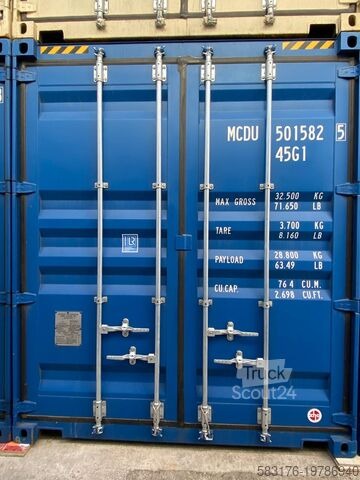
Cheap Second‑Hand Shipping Containers for Sale – What You Need to Know
If you’re looking for a rugged, versatile storage solution without breaking the bank, second‑hand shipping containers are often the answer. Whether you’re a small‑business owner needing a secure onsite warehouse, a DIY‑enthusiast planning a backyard office, or a homeowner hunting for affordable garage space, a used container can deliver the square footage you want at a fraction of the cost of a new one.
In this post you’ll discover:
- Why buying used makes sense – the hidden savings and realistic expectations.
- How to evaluate condition and specifications – the checklist you should never skip.
- Where to find cheap containers – reputable sources and negotiation tips.
- A quick‑look comparison table of the most common sizes and price ranges.
- Key considerations for delivery, modifications, and permits.
- FAQ – answers to the questions that pop up most often.
Grab a notebook, and let’s walk through everything you need to feel confident before you sign that purchase agreement.
1. Why Choose a Second‑Hand Container?
| Benefit | Explanation |
|---|---|
| Cost Savings | Used containers typically sell for 30‑70 % less than brand‑new units. A brand‑new 20‑ft container can cost $3,000‑$4,500, while a good‑condition used one often goes for $1,500‑$2,200. |
| Immediate Availability | New containers may have lead times of 4‑8 weeks (or longer) due to factory backlogs. Second‑hand stock is often sitting in local yards, ready to ship within days. |
| Proven Durability | Shipping containers are built to withstand ocean voyages, extreme weather, and heavy loads. Even after a few trips, the structural steel remains strong. |
| Eco‑Friendly Choice | Repurposing a used container keeps steel out of the landfill and reduces the demand for new steel production, lowering your carbon footprint. |
| Flexibility for Customisation | Because you’re paying less for the base unit, you have more budget left for insulation, doors, windows, and interior finishes. |
Bottom line: If you’re comfortable inspecting a used asset, the savings are substantial and the product is still as tough as ever.
2. How to Evaluate Condition – The Inspection Checklist
When you walk through a yard or receive photos from a seller, run this checklist in your head (or on paper).
- Exterior Rust & Corrosion
- Look for flaking paint or rust that has penetrated the steel. Surface rust is normal; deep corrosion on corners or seams may compromise structural integrity.
- Structural Deformation
- Check for dents, twists, or sagging walls. Even a small bend can affect how the container sits on a foundation.
- Door Functionality
- Open and close the doors (or ask the seller to demonstrate). Check hinges, locking mechanisms, and the rubber seal.
- Floor Condition
- Inspect the wooden flooring (if present). Rot, warping, or missing boards will need replacement.
- Interior Condition
- Look for water stains, mold, or lingering odors that could indicate past leaks.
- Certification & History
- Ask for the CSC (Convention Stowage Certificate) or any inspection reports. Some sellers provide a “Condition Report” that grades the container (A‑D).
- Modifications Already Made
- If the container has been cut, welded, or fitted with windows, verify that the modifications were done by a qualified fabricator and that the structural integrity remains intact.
- Legal Title & Ownership
- Ensure the seller can prove ownership and that there are no liens or encumbrances on the container (common with containers sold on credit).
Tip: If you’re not comfortable inspecting the unit yourself, consider hiring a local container specialist or a structural engineer for a quick 30‑minute assessment—often worth the modest fee.
3. Where to Find Cheap Second‑Hand Containers
| Platform | Typical Price Range (USD) | Pros | Cons |
|---|---|---|---|
| Local Container Yards | $1,200‑$2,500 (20‑ft) | Immediate viewing, cash‑on‑delivery, no shipping fees if you pick up | May need to arrange your own transport |
| Online Marketplaces (e.g., eBay, Craigslist, Facebook Marketplace) | $1,000‑$2,800 | Wide geographic reach, potential for negotiating private sellers | Variable quality, limited verification |
| Specialised Container Brokers (e.g., ContainerAuction.com, Boxhub) | $1,500‑$3,000 | Professional inspections, financing options | Slightly higher fees, broker commissions |
| Port Recycling Centers | $900‑$2,000 | Lowest prices, often bulk discounts for multiple units | May require more extensive cleaning and repair |
| Auction Houses (government surplus, maritime auctions) | $800‑$2,400 | Auction excitement, potential for deep discounts | Competitive bidding, time‑sensitive purchases |
How to negotiate:
- Bundle at least two containers to get a volume discount.
- Ask for “as‑is” pricing and request a small price cut for any minor repairs you’ll handle yourself.
- Leverage seasonal demand – many yards have lower prices in winter when demand drops.
4. Quick Comparison – Sizes, Typical Uses, and Approximate Prices
| Size (feet) | Internal Dimensions (L × W × H) | Floor Area (sq ft) | Common Uses | Approx. Used Price (USD) |
|---|---|---|---|---|
| 10 | 8.5 × 7.7 × 7.9 | 65 | Small tool shed, bike storage, tiny home “pod” | $1,200‑$1,800 |
| 20 | 19.4 × 7.7 × 7.9 | 150 | Mobile office, pop‑up retail, workshop | $1,500‑$2,500 |
| 40 | 39.5 × 7.7 × 7.9 | 300 | Full‑size warehouse, container home, event venue | $2,200‑$3,800 |
| 45 (High Cube) | 44.5 × 7.9 × 9.5 | 350 | Refrigerated storage, tall‑clearance studio, vertical farm | $2,800‑$4,500 |
Prices vary by region, condition, and whether the container includes a roof hatch, side doors, or other accessories.
5. From Purchase to Placement – What Happens Next?
5.1 Delivery & Logistics
- Transport Cost: Roughly $1‑$2 per mile for a 20‑ft container, depending on distance and local fuel rates.
- Permits: Many municipalities require a “temporary storage” or “placement” permit if the container sits on a public right‑of‑way or is used as a dwelling. Contact your city planning office early.
- Foundation Options:
- Concrete Pad – Most stable, adds a few thousand dollars but prevents moisture wicking.
- Gravel Bed – Cheaper, decent for short‑term storage, but may settle over time.
- Direct Ground Placement – Allowed in many jurisdictions for non‑habitable uses, but expect rust acceleration.
5.2 Modifications & Customisation
| Modification | Typical Cost (USD) | Key Considerations |
|---|---|---|
| Insulation (spray foam or panel) | $1,500‑$3,000 (20‑ft) | Improves temperature control; check fire rating. |
| Electrical Wiring | $800‑$1,500 | Must meet local code; hire a licensed electrician. |
| Windows & Additional Doors | $400‑$1,200 each | Reinforce framing around cuts; proper flashing to avoid leaks. |
| Exterior Paint (marine‑grade) | $300‑$600 | Extends lifespan, choose light colours for heat reflection. |
| Interior Finishing (drywall, shelving) | $500‑$2,000 | Tailor to your use case – office vs. workshop. |
Pro tip: Budget an extra 15‑20 % of the purchase price for unforeseen work. Even a “good‑condition” container can reveal hidden rust or require minor repairs once you start cutting.
6. Frequently Asked Questions
| Question | Answer |
|---|---|
| Are second‑hand containers safe for habitation? | Yes, provided you retrofit them to meet local building codes (insulation, ventilation, fire safety, egress). Many container‑home builders start with a used shell and add a full suite of upgrades. |
| How long will a used container last? | Properly maintained steel can last 50 + years. The biggest enemy is corrosion; a fresh coat of rust‑inhibiting paint and regular inspections can keep it in service indefinitely. |
| Can I purchase a container without a roof hatch? | Absolutely. Some sellers remove the hatch to lower cost. Adding a hatch later is straightforward – just ensure the opening is cut cleanly and a proper seal is installed. |
| Do I need a license to transport a container? | In most U.S. states, a standard commercial driver’s license (CDL) isn’t required for a 40‑ft container on a trailer, but the towing vehicle must be rated for the total weight (usually 20‑25 tons). Check your state’s regulations. |
| What’s the difference between a “dry container” and a “reefer”? | Dry containers are standard steel boxes without built‑in refrigeration. Reefers have insulated walls, a refrigeration unit, and a power supply. Used reefers are pricier but can be converted to a climate‑controlled workspace. |
| Is it legal to place a container in my backyard? | Zoning rules vary. In many residential districts, a container is treated like a “shed” and requires a permit if it exceeds a certain size (often 120 sq ft). Verify with your local planning department. |
| How do I prevent water leaks? | Inspect the roof seams, doors, and corner welds. Apply a high‑quality marine sealant around all joints, and consider adding a sloped roof or drip edge to shed water. |
| Can I stack containers? | Yes, stacking is common in storage yards. If you plan to stack them yourself, you’ll need a reinforced foundation and possibly a crane or forklift. Stacking can double usable height on limited land. |
| What financing options exist for used containers? | Some brokers offer lease‑to‑own plans, while others accept equipment loans from banks or credit unions. Because a container is an asset, many lenders view it similarly to machinery financing. |
| Are there any hidden fees when buying online? | Watch for shipping surcharges, customs duties (if importing), and inspection fees. Always ask for an itemised quote before committing. |
7. Putting It All Together – Your Action Plan
- Define Your Goal – Is it a temporary storage shed, a permanent workshop, or a tiny home? The answer dictates size, insulation, and permitting needs.
- Set a Budget – Include purchase price, transport, foundation, and a 15‑20 % contingency for custom work.
- Scout Sources – Start locally (yards, recycling centres) then broaden to online brokers if needed. Compare at least three quotes.
- Inspect Rigorously – Use the checklist above. Don’t hesitate to ask for photos of weld seams, door seals, and interior corners.
- Negotiate & Secure the Deal – Mention any minor repairs you’ll handle as leverage for a lower price. Get the purchase agreement in writing, noting the condition grade.
- Arrange Delivery & Permits – Book a transport company or rent a trailer, and submit any required placement permits to your city.
- Plan Modifications – Draft a simple layout (door placement, windows, interior shelving). Get quotes from licensed electricians and contractors before you start.
- Maintain Regularly – Clean the exterior annually, touch up paint, and check for rust at seams. A quick inspection every 6 months will keep the container in top shape for decades.
8. Final Thoughts
Choosing a cheap second‑hand shipping container isn’t just about saving a few hundred dollars; it’s about unlocking a flexible platform that can evolve with your needs. By understanding the nuances of condition, pricing, logistics, and local regulations, you can turn an ordinary steel box into a secure warehouse, a stylish office, or even a cozy home—without the hefty price tag of a brand‑new unit.
Remember, the key to a successful purchase is due diligence. Take the time to inspect, compare, and plan, and the container you bring home will serve you reliably for years to come.
Happy hunting, and may your next container bring exactly the space—and the savings—you’re looking for!