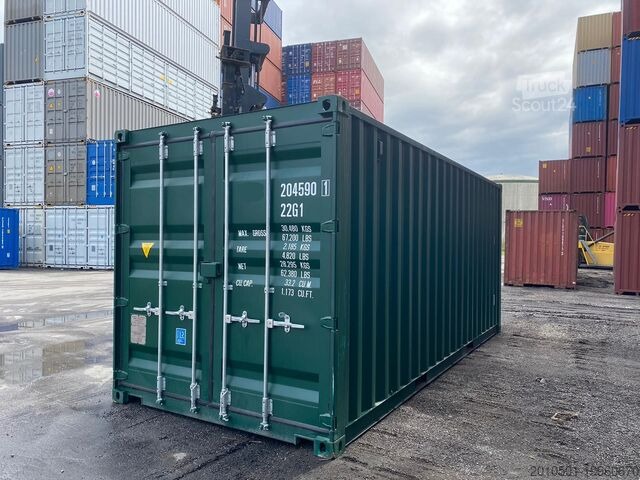
The Ultimate Guide to Finding Cheap Shipping Containers
Whether you’re a small‑business owner looking for a budget‑friendly storage solution, a DIY enthusiast dreaming of a backyard office, or a hobbyist planning a container‑home conversion, the market for cheap shipping containers can seem overwhelming. You’ll run into a maze of dimensions, material grades, “new vs. used” jargon, and countless price quotes that swing wildly from a few hundred dollars to several thousand.
This guide breaks all that down for you. By the end, you’ll know where to look, what to inspect, how to compare offers, and how to avoid hidden costs—all while keeping your wallet happy.
1. Why Choose a Shipping Container?
| Benefit | How It Saves You Money | Typical Use Cases |
|---|---|---|
| Durable steel shell | Withstands weather, pests, and fire better than wooden sheds, reducing repair costs. | Outdoor storage, workshop, garage. |
| Modular design | Stackable and easily combined; you can start with one unit and add more later, spreading out capital expenses. | Pop‑up retail, modular offices, tiny homes. |
| Standard dimensions | Predictable sizing means you can buy off‑the‑shelf accessories (racks, doors, HVAC) at lower prices. | Warehousing, pallet storage, equipment housing. |
| Low maintenance | No need for painting or treating wood annually. | General storage, vehicle shelter. |
| Global availability | Massive surplus from the shipping industry keeps supply high, driving prices down. | Portable labs, event booths. |
If those advantages line up with your project, the next question is where to get the container for the lowest possible price without sacrificing safety or quality.
2. Types of Shipping Containers You’ll Encounter
| Container Type | Typical Size (L×W×H) | ISO Rating | Common Condition | Approx. Price Range* |
|---|---|---|---|---|
| Standard Dry Van | 20′ × 8′ × 8′ ½ (20‑ft) | ISO 1 (General cargo) | New, Used, Refurbished | $1,500 – $5,000 |
| Standard Dry Van | 40′ × 8′ × 8′ ½ (40‑ft) | ISO 2 (General cargo) | New, Used, Refurbished | $2,500 – $7,000 |
| High‑Cube Dry Van | 40′ × 8′ × 9′ 6″ | ISO 3 (Higher volume) | Used, Refurbished | $3,500 – $9,000 |
| Open‑Top | 20′ or 40′ | ISO 4 (Loose cargo) | Used, Often with rust | $2,000 – $6,000 |
| Cold‑Storage (Reefer) | 20′ or 40′ | ISO 5 (Temperature‑controlled) | Used, Requires functional unit | $6,000 – $15,000 |
| Flat‑Rack | 20′ or 40′ | ISO 6 (Oversized cargo) | Used, Minimal walls | $3,000 – $8,000 |
*Prices are average US market values as of 2025. They vary by region, condition, and seller reputation.
Key Takeaway: For most budget‑conscious projects, the standard 20‑ft dry‑van in good‑used condition is the sweet spot—offering the lowest price per cubic foot while still providing a fully enclosed, weather‑tight space.
3. Where to Source Cheap Shipping Containers
3.1. Local Ports & Freight Terminals
- Why it works: Shipping lines regularly off‑load empty containers. Many lease companies or port authorities sell them at “scrap” prices to clear inventory.
- How to act: Call the terminal’s container depot or logistics office. Ask for “de‑containerized” or “off‑hire” units. Expect a $300‑$800 discount compared to online listings.
3.2. Online Marketplaces
- Platforms: eBay, Craigslist, Facebook Marketplace, ContainerAuction.com, BoxHub, GoatBox.
- Tip: Filter by “near me” and “as‑is” to avoid shipping fees. Look for listings that include photos, container numbers (ISO 6346), and inspection reports.
3.3. Specialty Dealers & Refurbishers
- Companies such as ConGlobal, SeaBox, Container Solutions, and local metal fabricators often buy bulk containers, refurbish them (paint, rust treatment, door hinges), and sell at a modest markup.
- Benefit: You get a “like‑new” look without paying the premium of a brand‑new unit.
3.4. Auctions & Liquidations
- Government surplus auctions (e.g., GSA, state surplus) sometimes list containers at rock‑bottom prices.
- Industrial auctions (e.g., Ritchie Bros.) also handle large lots.
3.5. DIY “Scrap” Hunting
- If you’re comfortable with a bit of elbow grease, you can find containers slated for scrap metal. They’ll need rust removal, repainting, and possibly new doors, but the base price can be as low as $500 for a 20‑ft unit.
4. Checklist: Inspecting a Used Container Before You Buy
| Inspection Point | What to Look For | Red Flag Indicators |
|---|---|---|
| Exterior Rust | Uniform coating, no large pitting. | Deep corrosion on corners, seams, or welds. |
| Floor Condition | Solid steel plates, no major dents, no water pooling. | Rust through to steel, severe dents, holes. |
| Doors & Gaskets | Smooth opening, functional hinges, intact seal. | Bent doors, missing bolts, cracked gaskets. |
| Structural Integrity | Welds clean, no cracks, no excessive deformation. | Cracked welds, twisted frames, bulging corners. |
| Cubic Capacity | Verify size markings against ISO 6346 label. | Mismatched dimensions, missing label. |
| Past Modifications | Check for drilled holes, added windows, cut‑outs. | Poorly welded cuts compromising strength. |
| Documentation | Container number, ownership paperwork, inspection report. | No paperwork, mismatched numbers. |
Tip: Bring a magnet. If it doesn’t stick to the steel (e.g., on the floor or walls), you may be dealing with a fiberglass or aluminum container, which changes weight and structural expectations.
5. How to Calculate True Cost of Ownership
- Purchase Price – The obvious starting point.
- Delivery & Handling – Flat‑bed truck rates vary by distance; expect $1 – $2 per mile for a 20‑ft unit.
- Modifications – Doors, ventilation, insulation, electrical wiring. Rough estimates:
- Ventilation fans: $150 – $300 each.
- Insulation (spray foam, 1‑in): $0.75 per ft².
- Electrical (basic lighting + outlets): $300 – $600.
- Maintenance – Paint touch‑ups every 5–7 years ($200–$400).
- Permits & Zoning – Some municipalities require building permits for a container used as a dwelling or commercial space. Fees range $100 – $1,000.
Example Calculation (20‑ft used dry‑van, 150 miles delivery, basic insulation & lighting):
| Cost Item | Amount |
|---|---|
| Purchase price | $2,200 |
| Delivery (150 mi × $1.50) | $225 |
| Insulation (160 ft² × $0.75) | $120 |
| Electrical & lighting | $450 |
| Permit (average) | $350 |
| Total Estimated Out‑of‑Pocket | $3,345 |
Now you can compare this “all‑in” figure against a new container (often $4,500+ for a 20‑ft unit) and see the real savings.
6. Proven Strategies to Get the Best Deal
- Buy in Bulk – If you need more than one container, negotiate a volume discount (5‑10% off).
- Seasonal Timing – Ports clear inventory after the holiday shipping peak (Oct‑Dec). Prices dip as empty containers flood the market.
- Leverage Refurbishers – Offer to pick up the container yourself. Many dealers will shave off the delivery charge if you handle transport.
- Ask for “As‑Is” Pricing – Some sellers quote a high “ready‑to‑use” price. Request the raw price and budget for your own modifications.
- Check Trade Associations – Organizations like the International Container Leasing Association (ICLA) sometimes list members that sell surplus units.
- Negotiate on Documentation – If the seller can’t provide a clean ownership chain, ask for a price reduction (typically 5‑15%).
7. Real‑World Applications: Inspiration for Your Cheap Container
| Project | Approx. Container Size | Typical Modifications | Estimated Total Cost |
|---|---|---|---|
| Backyard Office | 20‑ft dry‑van | Insulation, interior wall panels, HVAC, desk & power outlets | $4,200 |
| Pop‑Up Retail Booth | 20‑ft high‑cube | Rolling doors, signage, lighting, display shelving | $3,800 |
| Mini‑Warehouse | 40‑ft dry‑van | Pallet racking, heavy‑duty door, security cameras | $7,500 |
| Tiny Home (Studio) | 40‑ft high‑cube | Insulation, plumbing, bathroom, kitchen cabinets, solar | $12,000 |
| Vehicle Shelter | 20‑ft dry‑van | Simple door lock, floor ramps, ventilation fans | $2,950 |
*All estimates include purchase, delivery (150 mi), basic interior work, and a modest permit when required.
8. Frequently Asked Questions (FAQ)
Q1: Are cheap containers safe for habitation?
A: Yes, provided they meet local building codes, have proper ventilation, insulation, and a reliable structural inspection. You’ll also need to install fire‑retardant interior finishes and ensure a safe electrical system.
Q2: How much rust is acceptable?
A: Surface rust that can be sandblasted and painted over is normal. Any penetrating rust—especially on load‑bearing corners or the floor—should be a deal‑breaker unless you’re prepared to replace the affected panels.
Q3: Can I stack two cheap containers?
A: Absolutely, as long as the containers are ISO‑rated for stacking (most are). Verify that the floor structure is sound and that you have a level ground or a proper foundation.
Q4: What is the difference between “new,” “used,” and “refurbished”?
- New: Factory‑fresh, no prior cargo, typically comes with a 12‑month warranty.
- Used: Has carried cargo; may have cosmetic wear, dents, or rust. Sold “as‑is.”
- Refurbished: Used container that a dealer has repaired, painted, and often upgraded with new doors or gaskets. Usually carries a limited warranty.
Q5: How do I verify a container’s ISO number?
A: Look for a metal plate on the container door or side bearing the 11‑character ISO 6346 code (e.g., MSCU 123456‑7). You can cross‑reference this number on the CFS (Container Freight Station) database or via the International Container Tracking System (ICTS) to confirm ownership and inspection history.
Q6: Do I need a permit to place a container on my property?
A: It depends on local zoning laws. Many municipalities treat containers as accessory structures, requiring a building permit if used as a dwelling or office. For simple storage, a site‑plan approval may suffice. Always check with your city or county planning department.
Q7: What are hidden costs I should watch for?
- Delivery “fuel surcharges.”
- Site preparation (grading, concrete pads).
- Customs clearance if you import from overseas.
- Insurance (especially for containers used as living spaces).
Q8: Can I customize a cheap container myself?
A: Yes! DIY enthusiasts often cut windows, add interior framing, and install insulation. Just remember that any structural cuts (e.g., side panels) must be welded back to retain load‑bearing integrity.
9. Quick‑Start Checklist: From Search to Setup
- Define Your Purpose – Storage vs. office vs. home.
- Set a Budget – Include purchase, delivery, and modifications.
- Identify Sources – Port, online marketplace, dealer, auction.
- Inspect – Use the table in Section 4 or hire a professional inspector.
- Negotiate – Ask for bulk discounts, delivery waivers, or “as‑is” pricing.
- Arrange Transport – Get quotes from local haulers; consider renting a trailer if you have a suitable vehicle.
- Obtain Permits – Verify zoning, apply for building permits if needed.
- Plan Modifications – Draft a simple layout, source insulation, HVAC, electrical components.
- Finalize Purchase – Sign a purchase agreement that includes condition clauses.
- Deliver & Install – Place on a level pad, anchor if required, and start the interior build‑out.
10. Final Thoughts
Finding a cheap shipping container isn’t about simply spotting the lowest price tag. It’s about balancing cost, condition, and future expenses so the container serves you for years to come. By focusing on reputable sources, performing a diligent inspection, and budgeting for all the ancillary costs, you can secure a steel‑strong solution that fits both your functional needs and your budget.
Now that you have the tools, the market, and the know‑how—go ahead and start hunting. The perfect container is waiting just around the corner, ready to become your next storage hub, workspace, or tiny‑home haven. Happy sourcing!