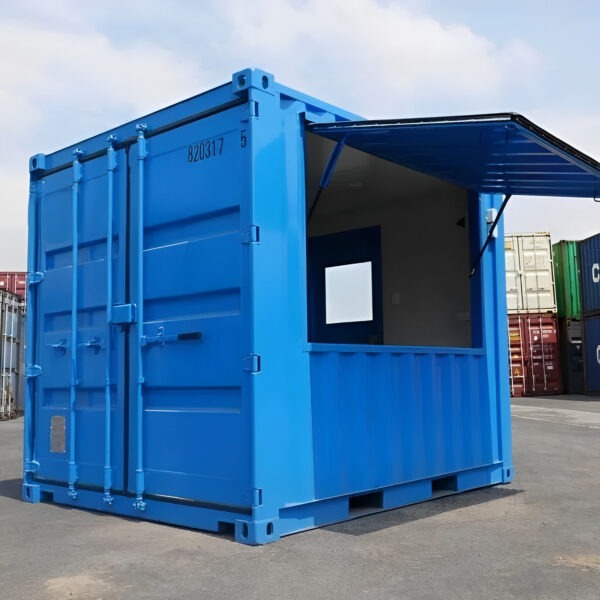
Discover the Freedom of a Container Cabin
Why a Container Cabin Might Be Your Next Big Move
You’ve probably seen those massive steel boxes stacked at ports or parked on construction sites and wondered, “What if I could live or work in one of those?” A container cabin is exactly that—a repurposed shipping container that’s been transformed into a comfortable, modern, and surprisingly versatile space.
- Speed: From foundation to finish in weeks, not months.
- Cost‑effectiveness: A fraction of the price of a traditional build.
- Mobility: Move it, rotate it, or stack it wherever you need.
- Sustainability: Up‑cycling steel that would otherwise sit idle.
If you’ve been dreaming of a tiny home, a pop‑up office, a weekend studio, or even a boutique hotel room, a container cabin could be the answer. Let’s walk through the whole process, from concept to completion, so you can decide whether this steel‑boxed wonder fits your lifestyle.
1. Understanding the Basics
| Feature | Typical Specification | Why It Matters to You |
|---|---|---|
| Size | 20‑ft (6 m) – 40‑ft (12 m) – 45‑ft (13.5 m) | Determines floor area, ceiling height, and how many rooms you can fit. |
| Materials | Corten steel (weather‑resistant), ISO‑standard corrugated steel | Steel is durable, fire‑resistant, and low‑maintenance. |
| Insulation | Spray foam, rigid board, or reflective foil | Keeps your cabin comfortable year‑round and cuts energy bills. |
| Windows / Doors | Custom aluminum frames, double‑glazed panes | Natural light, ventilation, and aesthetics. |
| Power & Utilities | Solar panels, grid connection, off‑grid battery packs | Enables remote locations or reduces utility costs. |
Quick tip: If you’re planning a mobile cabin (on wheels), choose a 20‑ft container. It’s lighter, easier to tow, and fits standard trailer dimensions.
2. Dreaming Up the Layout
Before you contact a builder, sketch out how you want to live, work, or create inside the steel shell. Here are three popular configurations and the square footage they typically provide:
| Layout Type | Container Size | Usable Sq ft (approx.) | Ideal Use Cases |
|---|---|---|---|
| Studio / Micro‑home | 20‑ft | 120–140 | Solo living, tiny‑home enthusiasts, vacation cabin |
| Two‑Bedroom Loft | 40‑ft | 260–300 | Small families, remote office + guest room |
| Stacked “Pod” Complex | Two 40‑ft units (stacked) | 500+ | Boutique hotel, co‑working hub, eco‑village module |
When planning, keep these design principles in mind:
- Zoning: Separate wet (kitchen, bathroom) and dry (living, sleeping) zones to control moisture.
- Flow: Use an open‑plan layout to maximize the limited width (8 ft).
- Vertical Space: Install a loft or mezzanine for extra sleeping or storage area; many cabins reach 9–10 ft in height when modified.
3. From Box to Beautiful: The Build Process
Step 1 – Acquire the Container
- New vs. Used: New containers cost more but come with a warranty and no hidden damage. Used containers are cheaper but may need rust treatment.
- Inspection Checklist: Check for dents, rust, water damage, and verify the ISO 668 standards for dimensions.
Step 2 – Design & Engineering
- Structural Engineer: Required if you’re cutting large openings for windows/doors, adding a second story, or stacking units.
- Architectural Drawings: Even a simple floor plan helps the contractor estimate time and cost accurately.
Step 3 – Site Preparation
- Foundation Options: Concrete slab, steel pier, or timber deck. The foundation must distribute the ~4,000 lb weight of a 20‑ft container evenly.
- Utilities Hook‑up: Decide early if you’ll use municipal water/electricity or off‑grid solutions (solar, rainwater collection).
Step 4 – Modifications
| Modification | Typical Cost (USD) | Time Required |
|---|---|---|
| Cutting windows & doors (including framing) | $2,000–$4,500 | 2–4 days |
| Insulation (spray foam) | $1,500–$3,000 | 1–2 days |
| Interior finishes (drywall, flooring) | $3,000–$7,000 | 1–2 weeks |
| Roof upgrade (green roof, solar panels) | $4,000–$10,000 | 3–5 days |
| HVAC (mini‑split or mini‑duct) | $2,500–$5,000 | 1–2 days |
Note: These figures are averages for a 20‑ft cabin in the United States; local labor rates and material choices can shift the numbers.
Step 5 – Inspection & Certification
- Building Permit: Most municipalities treat container cabins as “modular” units, but you’ll still need a permit.
- Final Inspection: Fire safety (e.g., smoke detectors), electrical code compliance, and structural integrity checks.
Step 6 – Move‑In
- Furnish & Decorate: Because the shell is already insulated, you can focus on interior style. Add modular furniture, built‑in storage, and smart home devices for the ultimate contemporary feel.
4. Cost Breakdown (Sample Budget for a 20‑ft Container Cabin)
| Category | Estimated Cost Range | % of Total Budget |
|---|---|---|
| Container Purchase | $2,500 – $4,500 | 20–30% |
| Foundation & Site Prep | $1,000 – $2,500 | 8–15% |
| Structural Modifications (windows, doors, cuts) | $2,000 – $4,500 | 12–20% |
| Insulation & Interior Finishes | $5,000 – $9,000 | 20–30% |
| Utilities (plumbing, electrical, HVAC) | $2,500 – $5,000 | 10–20% |
| Permits & Professional Fees | $1,000 – $2,000 | 5–10% |
| Contingency (10%) | $1,200 – $2,500 | — |
| Total | $15,200 – $30,000 | 100% |
Quick tip: If you’re on a tighter budget, consider DIY interior finishes and solar kits that you can install yourself. The biggest cost driver is usually the interior fit‑out, not the container itself.
5. Benefits That Go Beyond the Bottom Line
| Benefit | How It Impacts You |
|---|---|
| Speed of Construction | Move into a finished cabin within 8–12 weeks, perfect for urgent housing needs. |
| Mobility | Relocate your cabin for seasonal work, vacation, or expand your property later. |
| Low Maintenance | Steel resists rot, termites, and most pests; a simple wash keeps it looking fresh. |
| Eco‑Friendly | Up‑cycles waste steel, reduces the need for new lumber, and can incorporate renewable energy. |
| Design Flexibility | Stack, combine, or rotate modules to create anything from a single studio to a multi‑story loft. |
| Resale Value | Modern, well‑finished container cabins attract buyers looking for affordable, unique properties. |
6. Real‑World Inspirations
- The “Boxhouse” in Portland, OR – A 40‑ft container turned into a minimalist tiny home with a rooftop deck and solar array.
- “Pop‑Up Café” in Tokyo – A single 20‑ft container used as a temporary coffee shop, re‑positioned each summer for festivals.
- Eco‑Village Pod in Costa Rica – Four stacked containers forming a tiny hotel, each with floor‑to‑ceiling glass walls and a green roof.
These projects show that container cabins can be anything from a personal retreat to a commercial venture—the only limit is your imagination (and local zoning).
7. Common Mistakes & How to Avoid Them
| Mistake | Consequence | Prevention |
|---|---|---|
| Skipping a structural engineer | Weak walls, compromised safety | Always have a certified engineer review any cuts or additions. |
| Under‑insulating | Heat loss, condensation, mold | Choose at least R‑13 spray foam or equivalent; install vapor barriers. |
| Overlooking local code | Permit denial, fines, forced removal | Research municipal regulations early; consult a local architect. |
| Choosing cheap windows | Poor thermal performance, leaks | Invest in double‑glazed, low‑E windows with proper flashing. |
| Ignoring ventilation | Stale air, humidity build‑up | Install exhaust fans or a mini‑split HVAC system with fresh‑air intake. |
8. Frequently Asked Questions
Q1: Can a container cabin be used as a permanent residence?
Absolutely. As long as you meet local building codes, obtain the proper permits, and ensure adequate insulation and utilities, a container cabin can be a full‑time home.
Q2: How long does a container cabin last?
The structural steel has a lifespan of 50 + years if properly maintained. Corrosion‑resistant coatings and regular cleaning extend its life even further.
Q3: Is it possible to add a second story?
Yes. Stacking two containers (either side‑by‑side or vertically) is a common way to add height. You’ll need an engineer to verify load‑bearing capacities and may require additional footings.
Q4: What about plumbing?
You can install a compact bathroom with a shower, toilet, and sink. Many owners use “wet‑wall” systems that combine plumbing and insulation behind a single panel, reducing space usage.
Q5: Can I make the cabin completely off‑grid?
Definitely. Combine solar panels (or a small wind turbine), a battery storage system, a rainwater catchment tank, and a composting toilet, and you have a self‑sufficient micro‑home.
Q6: Are there financing options?
Some lenders treat container cabins as “manufactured homes” and will finance them similarly to RVs or modular houses. Check with local credit unions or specialty lenders that focus on green building projects.
Q7: How do I transport a finished cabin?
If you opt for a movable unit (with a trailer frame), a standard flat‑bed truck can haul it. For larger, stationary cabins, a crane and a set of heavy‑duty dollies are typically used.
Q8: Do I need a special insurance policy?
Standard homeowner’s insurance can cover a container cabin, but be sure to list it as a “detached accessory dwelling unit” (ADU) or “modular home” to avoid coverage gaps.
9. Ready to Take the Next Step?
You’ve now got the full picture: the why, the how, the costs, and the possibilities of a container cabin. Whether you’re chasing the tiny‑home lifestyle, seeking a portable office, or dreaming of a boutique hotel room, the steel box is a canvas waiting for your personal touch.
Here’s a quick action plan:
- Define your purpose – living, working, or commercial?
- Choose a size – 20‑ft for mobility, 40‑ft for space.
- Find a reputable supplier – check reviews, ask for a condition report.
- Hire an architect/engineer – even a simple design review helps avoid costly errors.
- Secure permits – visit your city planning office early.
- Set a budget – include a 10% contingency.
- Start the build – enjoy watching the steel shell become “your place.”
When you step inside that finished cabin, you’ll feel the satisfaction of a space that’s yours—built quickly, sustainably, and with a personality that ordinary houses often lack. So go ahead, turn that metal box into the home or workspace you’ve imagined. The future of living is already here; it’s just waiting for you to open the door.
Happy building!