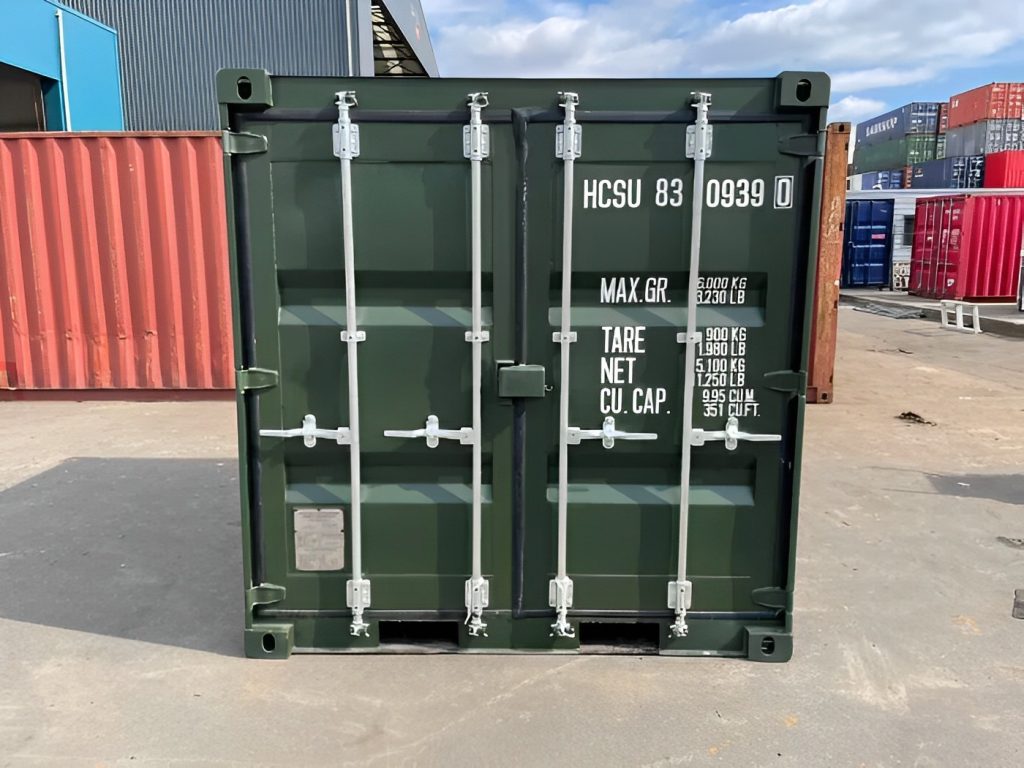
The Ultimate Guide to Choosing the Perfect Storage Container for Your Space
When it comes to decluttering, moving, or simply keeping seasonal gear out of the way, a good storage container can be a lifesaver. But with dozens of shapes, sizes, and materials on the market, the decision can feel overwhelming. In this friendly, step‑by‑step guide you’ll learn how to pick the right container for every situation, how to make the most of the space you have, and what little‑known tricks professionals use to keep items safe and organized.
Quick takeaway: The best container isn’t necessarily the biggest or the cheapest—it’s the one that matches your specific needs, environment, and budget.
1. Why a Proper Storage Container Matters
- Protects Your Belongings – Moisture‑resistant containers keep paper, clothing, and electronics from mold and rust.
- Maximises Space – Stacking‑friendly designs allow you to use vertical space in closets, garages, or even basements.
- Boosts Efficiency – Clearly labeled, uniform containers make it faster to locate items, cutting down on “where did I put that?” moments.
If you’ve ever spent an hour rummaging through a chaotic attic, you’ll know that the right container can turn a stressful hunt into a quick grab.
2. Types of Storage Containers: Which One Is Right for You?
| Container Type | Ideal Use | Material | Typical Sizes (L × W × H) | Pros | Cons |
|---|---|---|---|---|---|
| Plastic Bin | Household items, seasonal gear, moving boxes | High‑density polyethylene (HDPE) or polypropylene | 12‑in, 18‑in, 24‑in, 30‑in (diameter) – 15‑30 gal | Stackable, airtight lids, water‑resistant | Can warp in extreme heat |
| Metal Lockbox | Tools, chemicals, valuable documents | Steel (galvanized or powder‑coated) | 10‑in × 10‑in × 8‑in – 20‑gal | Extremely durable, lockable, fire‑resistant (some) | Heavier, may rust if not coated |
| Fabric Tote | Light clothing, toys, laundry | Canvas or polyester with reinforced seams | 18‑in × 12‑in × 12‑in – 10‑gal | Collapsible, lightweight, easy to carry | Not waterproof, limited stacking |
| Wooden Crate | Rustic décor, wine bottles, garden tools | Pine, oak, or reclaimed wood | 16‑in × 12‑in × 12‑in – 15‑gal | Aesthetic appeal, strong | Susceptible to moisture, may need treatment |
| Vacuum‑Seal Bag | Clothing, bedding, blankets | Multi‑layer polymer film | Variable (roll‑up) | Shrinks volume up to 80 % | Requires vacuum pump, not ideal for irregular shapes |
Pro tip: If you need a container that looks good and protects items, consider a wooden crate with a waterproof liner. It gives you the charm of wood while keeping moisture out.
3. How to Size Up: Calculating the Volume You Need
Let’s say you’re moving out of a one‑bedroom apartment and need containers for books, kitchenware, and winter clothes. Here’s a quick method:
- Make an inventory – Write down the approximate number of each item type.
- Assign a rough volume – Use the chart below as a reference.
| Item Category | Approx. Volume per Unit (gal) | Example Quantity | Total Volume (gal) |
|---|---|---|---|
| Hardcover books | 0.10 | 200 | 20 |
| Kitchen pots & pans | 0.25 | 10 | 2.5 |
| Winter coats | 1.0 | 5 | 5 |
| Subtotal | — | — | 27.5 |
| Add 20 % buffer | — | — | 33 gal |
In this scenario, three 12‑gal plastic bins (total 36 gal) would give you a comfortable cushion for extra items, while still leaving room for stacking.
4. Choosing the Right Material for Your Environment
| Environment | Best Material | Why |
|---|---|---|
| Garage or workshop | Metal lockbox or heavy‑duty plastic | Resists oil, grease, and occasional impact |
| Basement (possible humidity) | Plastic with gasket seal + desiccant packs | Keeps moisture out, lightweight |
| Attic (temperature swings) | UV‑protected plastic | Stands up to heat, won’t warp as easily |
| Outdoor patio storage | Weather‑treated wood or metal with powder coating | Handles rain and sunlight; consider a lockable lid to keep pests out |
| Kids’ room | Fabric tote with reinforced base | Soft, easy to move, no sharp edges |
If you live in a climate with high humidity, pair any container with silica gel packets or a small dehumidifier to further protect your belongings.
5. Smart Packing Hacks You Might Not Know
| Hack | How To Do It | Benefit |
|---|---|---|
| Label on the lid + side | Use a label maker or waterproof marker on both the lid and the side of the container | You can identify contents whether the bin is stacked upright or on its side |
| Create “zones” | Group similar items (e.g., all gardening tools in one bucket, seasonal décor in another) | Cuts down search time by 30 % on average |
| Use dividers | Insert cardboard or plastic trays inside large bins to separate items | Prevents items from shifting when the container is moved |
| Roll clothing | Instead of folding, roll garments and place them in vacuum bags | Saves up to 50 % space and reduces creases |
| Add a “first‑in‑first‑out” system | Place newer supplies at the front of a stack and older ones at the back | Ensures you use items before they expire (great for pantry goods, paints, etc.) |
6. Maintenance: Keeping Your Containers in Top Shape
- Inspect lids and seals every 3–6 months. Replace any cracked gaskets.
- Clean inside before storing items—wipe with a mild detergent and let dry completely.
- Avoid over‑stacking beyond the manufacturer’s load rating; otherwise, the bottom units may warp or buckle.
- Rotate seasonal items annually. Move items that haven’t been accessed in a year to a “long‑term” area, and bring current‑use items forward.
A little upkeep today saves you from costly replacements later.
7. Buying Guide: Where to Find Quality Containers
| Store Type | Recommended Brands | Price Range (per unit) | What to Look For |
|---|---|---|---|
| Big‑Box Retailers (e.g., Home Depot, Lowe’s) | Sterilite, IRIS, Rubbermaid | $8‑$30 | Look for BPA‑free plastics and snap‑tight lids |
| Online Marketplaces (Amazon, Wayfair) | Really Good Stuff, U-Haul, Plano | $12‑$45 | Check reviews for durability; filter by “water‑resistant” |
| Specialty Stores (The Container Store, REI) | The Container Store’s own line, REI Co‑op | $15‑$60 | Often higher‑quality fabrics, eco‑friendly options |
| Second‑Hand/Thrift | N/A (DIY refurbish) | $2‑$10 | Inspect for cracks, sanitize before use |
| Wholesale Clubs (Costco, Sam’s Club) | Kirkland Signature, Costco pack‑of‑6 bundles | $10‑$35 (bulk) | Great for moving projects where you need many at once |
Tip: When buying in bulk, make sure the containers are all the same size. Uniform dimensions simplify stacking and maximize space efficiency.
8. Real‑World Scenarios
Scenario A: Moving Across Town
- What you need: Sturdy, stackable plastic bins with secure lids.
- How many: Estimate total volume (see Section 3), add a 10 % safety margin, and purchase identical‑size bins to keep the truck organized.
Scenario B: Storing Outdoor Gear in the Backyard
- What you need: Weather‑proof metal lockbox or powder‑coated metal container with a lock.
- Additional tip: Place a rubber mat underneath to prevent rust from ground moisture.
Scenario C: Organising a Home Office
- What you need: Small fabric totes for supplies, plus a metal lockbox for confidential files.
- Pro tip: Use a label system with colour‑coded stickers: red for urgent, green for supplies, blue for archives.
9. Frequently Asked Questions (FAQ)
Q1: Can I use a regular cardboard box as a storage container?
A: For short‑term storage in a dry, temperature‑stable area, cardboard works fine. However, it offers little protection against moisture, pests, or crushing. For long‑term or valuable items, opt for plastic or metal containers with sealed lids.
Q2: How do I prevent mold inside my containers?
A: Keep the interior dry before packing, use silica gel packets (replace every 6 months), and store containers in a well‑ventilated area. If you notice any musty smell, empty the container, clean with a vinegar‑water solution, and let it dry completely.
Q3: Are vacuum‑seal bags safe for storing electronics?
A: No. Vacuum‑seal bags can exert pressure that may damage delicate components. Stick to rigid containers with cushioning material (bubble wrap, foam) for electronics.
Q4: What size container is best for a standard 24‑inch closet rod?
A: A 12‑gal plastic bin (roughly 18 × 16 × 12 in) will slide easily under a typical closet rod, allowing you to store folded clothes while keeping the space tidy.
Q5: Do I need a lock on my storage container?
A: If the container holds valuables, confidential documents, or chemicals, a lock adds an extra layer of security. For general household items, a simple latch is usually sufficient.
Q6: How many containers can I safely stack in a garage?
A: Most heavy‑duty plastic bins are rated for a maximum stack height of 4‑5 units. Check the manufacturer’s specifications—over‑stacking can cause the bottom bin to deform.
Q7: Is it worth buying “stack‑on‑top” containers with built‑in handles?
A: Absolutely, if you frequently need to lift containers onto shelves or into a moving truck. Handles reduce strain and built‑in stacking guides keep the stack stable.
10. Bringing It All Together
Choosing the perfect storage container isn’t a one‑size‑fits‑all decision. By:
- Assessing your inventory (what you have and how much),
- Matching material to environment,
- Sizing containers wisely, and
- Applying smart packing and maintenance habits,
you’ll turn chaos into order—whether you’re moving, decluttering, or simply protecting prized possessions.
Remember, the right container is the quiet hero that does the heavy lifting while you enjoy a tidier, stress‑free space. So next time you glance at that pile of winter coats, think: What container will make this easy? And then go out and get it.
Happy organizing! 🎉