Container Homes for Sale in the UK – The Complete Guide for Buyers
If you’re scrolling through property portals, reading sustainability blogs, or simply dreaming of a home that stands out from the ordinary terrace, you’ve probably stumbled across container homes. Those sleek, steel‑boxed structures, originally designed to ship goods across oceans, are now being transformed into stylish, affordable, and eco‑friendly residences.
In this post you’ll discover everything you need to know before you decide to buy a container home in the UK:
- How they differ from conventional builds
- The legal hoops you must jump through
- Typical price ranges and what you actually get for your money
- Where to find reputable sellers and what they offer
- Financing, design, and sustainability benefits
- A step‑by‑step buying checklist
- Answers to the most frequently asked questions
Let’s dive in – the future of housing might just be a metal box away.
1. What Is a Container Home?
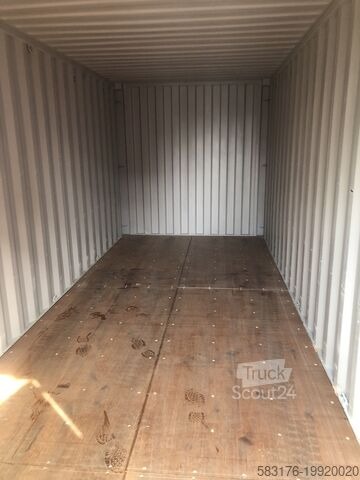
A container home is a dwelling constructed from one or more shipping containers (usually 20‑ft or 40‑ft ISO containers). The steel frames are left largely intact, while interior walls, insulation, windows, doors, and utilities are added to create a livable space.
Key Benefits for You
| Benefit | Why It Matters to You |
|---|---|
| Speed of construction | A basic 20‑ft container can be turned into a habitable unit in weeks, not months. |
| Cost efficiency | The raw container costs £1,500‑£3,500; a fully fitted home typically starts around £50,000 – far less than a traditional build of similar size. |
| Modular flexibility | Stack, combine, or expand containers to suit changing family needs. |
| Reduced waste | Using a recycled steel box cuts down on timber, brick, and concrete consumption. |
| Durability | Steel is resistant to rot, pests, and fire, giving you a long‑lasting shell. |
| Portability | In theory, a container home can be moved to a new plot (subject to planning permission). |
2. Legal Landscape – Planning Permission & Building Regulations
Before you fall in love with a glossy brochure, you need to understand the UK regulatory framework.
- Planning Permission – Most new dwellings require it, but many local councils treat a container home as a “temporary structure” if it’s under 30 m² and not intended for permanent residence. For anything larger or for permanent occupancy, you’ll need a planning application just like any other house.
- Building Regulations – Even if planning permission is granted, the home must meet Approved Document standards for fire safety, structural integrity, ventilation, and energy performance (Part L).
- Land Ownership & Covenants – Ensure the plot you intend to place the home on allows for non‑traditional structures. Some residential estates have restrictive covenants that ban “modular” or “steel” dwellings.
- Utility Connections – Water, electricity, and sewage must be approved by the relevant providers. Some container homes are sold as off‑grid, equipped with solar panels and composting toilets, but you’ll still need to register the systems.
Tip: Hire a local planning consultant early in the process. Their fees (£300‑£800) are small compared with the cost of a rejected application.
3. Types of Container Homes on the UK Market
| Type | Typical Layout | Approx. Internal Area | Price Range (incl. conversion) |
|---|---|---|---|
| Single‑Container Studio | Open‑plan living/kitchen/bedroom, compact bathroom | 12–15 m² (20‑ft) / 22–30 m² (40‑ft) | £45,000 – £80,000 |
| Two‑Container Duplex | Separate bedroom and living area, larger kitchen, full bathroom | 30–40 m² | £80,000 – £130,000 |
| Modular Family Home (3‑5 containers) | Multiple bedrooms, lounge, kitchen island, en‑suite, utility room | 60–120 m² | £150,000 – £300,000 |
| Luxury Container Villa | High‑spec finishes, large glazing, rooftop terrace, smart‑home tech | 120‑200 m² | £300,000 – £600,000+ |
Note: Prices vary dramatically based on location, ground works, interior finish, and whether you purchase a shell only or a fully fitted home.
4. Where to Buy – Top UK Suppliers
Below is a quick list of the most reputable companies currently offering container homes for sale in the UK.
| Supplier | Headquarters | What They Offer | Notable Projects |
|---|---|---|---|
| Container Homes UK | London | Turnkey packages from studio to 5‑container family homes; extensive design catalogue. | “The Docklands Studio” – 20‑ft container home in East London. |
| Modular Homes Ltd | Birmingham | Modular steel frames with optional timber interiors; financing assistance. | “Birmingham Eco‑Village” – 30‑container community. |
| Eco‑Box Living | Manchester | Off‑grid kits, solar roofs, rainwater harvesting, high‑insulation options. | “Lake District Retreat” – 40‑ft container cabin. |
| Future Habitat | Leeds | Luxury finishes, smart‑home integration, bespoke architecture. | “Yorkshire Country Manor” – 4‑container villa. |
| Blue Sea Containers | Portsmouth | Affordable shell sales + recommended conversion partners. | “South Coast Holiday Pods”. |
How to Choose:
- Budget: If you’re looking for a starter home, start with a single‑container studio from Blue Sea Containers.
- Customization: For high‑spec interiors, Future Habitat is your go‑to.
- Eco‑focus: Eco‑Box Living provides full off‑grid packages.
5. Financing & Cost Breakdown
Most buyers fund a container home via a self‑build mortgage or a personal loan. Lenders generally require a detailed cost plan and proof of planning permission.
Below is a sample cost breakdown for a three‑container family home (≈ 80 m²) on a modest plot outside a major city.
| Cost Item | Approx. Amount | Comments |
|---|---|---|
| Land acquisition | £30,000 – £70,000 | Depends on region (e.g., £35k in North Yorkshire, £65k near Bristol). |
| Containers (3 × 40‑ft) | £9,000 – £12,000 | Purchase of sea‑grade steel shells. |
| Structural modifications (cut‑outs, reinforcement) | £8,000 – £12,000 | Windows, doors, internal steelwork. |
| Insulation & interior finishes | £15,000 – £25,000 | Spray‑foam, SIP panels, drywall, flooring. |
| Services (plumbing, electrics, HVAC) | £12,000 – £18,000 | Includes connection fees to mains. |
| Foundation & ground works | £10,000 – £15,000 | Concrete slab or piers, drainage. |
| Design & professional fees (architect, engineer) | £5,000 – £10,000 | Required for planning submission. |
| Contingency (10 % of total) | £8,000 – £12,000 | Cushion for unexpected items. |
| Total (incl. land) | £87,000 – £144,000 | Typical for a 3‑container home. |
Financing Tips
- Self‑build mortgage: Banks like NatWest and Santander offer mortgages up to 80 % LTV for non‑traditional builds.
- Government grants: Check the Eco‑Homes Grant (if still running) – up to £5,000 for high‑efficiency insulation.
- Staged payments: Many suppliers will release funds on a milestone basis (shell delivery → foundation → interior fit‑out).
6. Design & Customisation – Making It Yours
A container’s steel box is a blank canvas. Here are the most popular customisation routes:
- Insulation – Choose between spray foam, rigid PIR boards, or SIP panels. Good insulation not only reduces heating bills but also satisfies Part L energy standards.
- Windows & Doors – Floor‑to‑ceiling glazing creates a modern aesthetic and floods the interior with natural light. Triple‑glazed units are recommended for heat retention.
- Interior Layout – Open‑plan living is common, but you can add partition walls to create separate bedrooms. Many suppliers provide a 3‑D configurator to visualise the plan.
- Finishes – From exposed steel to timber cladding, you can blend industrial chic with cosy warmth.
- Roof Options – Add a green roof for extra insulation and biodiversity, or a solar panel array for off‑grid power.
- Outdoor Spaces – Decks, pergolas, and raised gardens can be attached to the container base, extending your usable area.
Pro tip: Ask the supplier about pre‑approved design packages. These are often cheaper and quicker to get planning consent for, as they already meet local authority guidelines.
7. Sustainability – Why a Container Home Is Good for the Planet
| Environmental Impact | Container Home Advantage |
|---|---|
| Embodied carbon | Re‑using a steel container avoids the carbon cost of producing new bricks or timber. |
| Construction waste | Typically < 5 % of a traditional build; steel is 100 % recyclable at end‑of‑life. |
| Energy efficiency | With proper insulation, a container home can achieve EPC rating A. |
| Water usage | Off‑grid options can incorporate rainwater harvesting, reducing mains demand. |
| Land footprint | Smaller foundations and the ability to stack containers reduce land disturbance. |
If you’re passionate about reducing your carbon footprint, a container home can be a genuine step forward—provided you invest in high‑quality insulation and renewable energy systems.
8. Your 7‑Step Checklist to Buying a Container Home in the UK
- Define Your Budget & Plot – Include land cost, build cost, and contingency.
- Research Local Planning Policies – Contact the council’s planning department for guidance.
- Select a Supplier – Compare quotes, view show homes, and read reviews.
- Choose a Design Package – Pick a layout, finishes, and any optional extras.
- Secure Planning Permission – Submit drawings, structural calculations, and a design‑and‑access statement.
- Arrange Financing – Apply for a self‑build mortgage or loan; keep the lender updated on milestones.
- Build & Move In – Coordinate foundation work, container delivery, and interior fit‑out. Conduct a final inspection, obtain a Completion Certificate, and celebrate!
9. Frequently Asked Questions
| Question | Answer |
|---|---|
| Do I need planning permission for a container home? | Most permanent dwellings require it. Small (≤ 30 m²) units used as temporary accommodation may be exempt, but always check with your council. |
| How long does it take to build? | From foundation to move‑in, a typical 2‑container home takes 8‑12 weeks; larger modular builds can take 4‑6 months. |
| What is the lifespan of a container home? | The steel shell can last 50 + years if properly maintained. The interior finishes follow typical building lifespans (≈ 30 years for timber, 20 years for plasterboard). |
| Can I finance a container home with a standard mortgage? | Yes, via a self‑build mortgage. Lenders will assess the construction plan, planning permission, and valuation. |
| Is it possible to relocate the home later? | Technically yes, but you’ll need a new planning permission and may incur transport costs of £4‑£8 per mile for each container. |
| How energy efficient are container homes? | With adequate insulation (≥ 150 mm) and triple‑glazed windows, they can achieve EPC rating A—comparable to Passivhaus standards. |
| Do insurance companies cover container homes? | Most major insurers provide coverage; you may need to disclose the construction method and provide a valuation report. |
| What about connectivity—broadband, phone, TV? | As long as you have a mains electricity supply, you can install typical broadband routers. Mobile signal may be enhanced with external antennas if needed. |
| Are there any hidden costs? | Ground‑work (soil testing, drainage), utility connection fees, and interior decoration can add 10‑15 % to the base price. |
| Can I add extensions later? | Yes – the modular nature makes it easy to add another container or expand the existing footprint, subject to planning approval. |
10. Final Thoughts – Is a Container Home Right for You?
You’ve now seen the full picture: the price, the paperwork, the design freedom, and the environmental upside. If you value speed, affordability, and sustainability, a container home can be an excellent solution for first‑time buyers, downsizers, or anyone wanting a distinctive property without the traditional build‑time delays.
Remember: the key to a successful purchase is planning—both in the regulatory sense and in your own budgeting. Start by scouting a suitable plot, talk to a local planning consultant, and reach out to a few of the suppliers listed above for quotations.
When the steel frames arrive on your site, you’ll feel the excitement of watching a raw, industrial box transform into a warm, lived‑in sanctuary. And every time you step onto your balcony and look out over the countryside, you’ll be reminded that you chose a home that’s not only stylish, but also kinder to the planet.
Ready to make the leap? Browse the latest listings of container homes for sale in the UK today and take the first concrete step (pun intended) toward your new life in a modern, modular masterpiece.
Happy building!