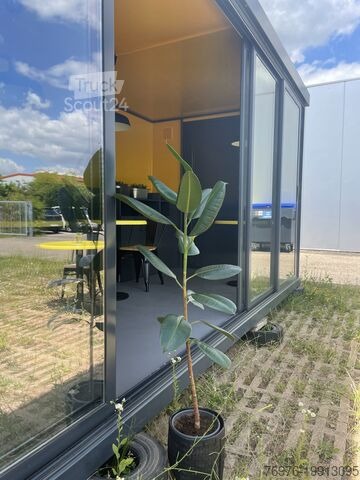
Why You Should Consider Buying a Container Home
An in‑depth guide for anyone thinking of turning a steel shipping container into a livable, stylish space.
1. What Is a Container Home?
A container home is a residential structure built from one or more repurposed steel shipping containers. These boxes—originally designed to carry goods across oceans—are incredibly strong, weather‑proof, and surprisingly adaptable. Modern designers cut, weld, and insulate them, turning the raw steel into kitchens, bedrooms, and even whole multi‑story houses.
If you’re reading this, you probably already have a few questions swirling in your mind:
- How much does it really cost?
- What are the legal hurdles?
- Will it be comfortable in winter or summer?
The sections below walk you through every major consideration, from budgeting to installation, so you can decide whether buying a container home is the right move for you.
2. Quick‑Start Checklist: 7 Things to Do Before You Buy
| # | Action | Why It Matters | Tips & Resources |
|---|---|---|---|
| 1 | Define Your Budget | Determines the size, number of containers, and finish level you can afford. | Use a spreadsheet; include land, permits, utilities, and contingency (10‑15%). |
| 2 | Check Zoning & Building Codes | Not all municipalities allow container homes, or they may have specific requirements (e.g., foundation, fire safety). | Contact local planning department; search “accessory dwelling unit (ADU) regulations.” |
| 3 | Select a Site | Soil quality, flood risk, and utilities affect foundation design and cost. | Conduct a site‑survey; look for Level ground with easy road access. |
| 4 | Choose Container Size & Type | 20‑ft vs 40‑ft, new vs used, refrigerated (reefer) vs standard impact insulation and interior volume. | 20‑ft = 1,160 sq ft interior; 40‑ft = 2,320 sq ft (raw). |
| 5 | Pick a Supplier | Reputation, delivery logistics, and warranty differ widely. | Ask for references; compare delivery fees and lead times. |
| 6 | Plan Interior Layout | Determines how many cuts, windows, doors, and structural reinforcements you’ll need. | Sketch in SketchUp or use a free online floor‑plan tool. |
| 7 | Hire Professionals | Architects, engineers, and contractors ensure safety and compliance. | Look for firms with container‑home experience; get at least three quotes. |
3. How Much Does a Container Home Really Cost?
Pricing can vary dramatically based on location, design complexity, and finish level. Below is a benchmark table that shows typical cost ranges in the United States (2024 figures). All numbers are per square foot of finished living space, not raw container surface.
| Finish Level | Included Features | Typical Cost (USD / sq ft) | Example Total Cost* |
|---|---|---|---|
| Basic DIY | Used 20‑ft container, self‑installed insulation, simple interior (drywall, basic flooring), no HVAC | $75‑$95 | 800 sq ft → $60k‑$76k |
| Mid‑Range | New 40‑ft container, professional insulation, windows, doors, basic kitchen & bathroom fixtures, off‑grid solar option | $115‑$140 | 1,200 sq ft → $138k‑$168k |
| Luxury | Custom‑cut design, high‑grade interior finishes, smart‑home tech, under‑floor heating, premium appliances, on‑site architect/engineer | $180‑$250 | 2,000 sq ft → $360k‑$500k |
*These totals assume land cost is not included. Add $30‑$80 k for a modest lot in many suburban areas.
Why the Wide Range?
| Factor | Impact on Cost |
|---|---|
| Container Condition – New “one‑trip” containers carry a premium, while used containers can be $2,000‑$4,000 each. | |
| Insulation – Spray‑foam, rigid board, or blanket insulation each have different R‑values and price points. | |
| Structural Modifications – Cutting for windows, doors, or merging containers requires reinforcement, which adds labor and steel. | |
| Finishes – Luxury kitchens, marble countertops, or designer bathrooms quickly inflate the budget. | |
| Utilities – Connecting to municipal water/sewer vs. installing septic, well, or composting toilets changes the bottom line. |
4. The Legal Landscape: Permits, Zoning, and Codes
- Zoning Restrictions – Most cities divide land into residential (R‑1, R‑2, etc.) and commercial zones. Container homes are usually allowed in single‑family zones if they meet size and setback rules.
- Building Permits – You’ll need a building permit, which typically requires structural drawings stamped by a licensed engineer.
- Fire Safety – Steel containers have a fire‑rating of “Class A” when properly insulated and finished, but many jurisdictions demand fire‑resistant interior wall assemblies (e.g., ½‑in. gypsum board).
- Energy Codes – The International Energy Conservation Code (IECC) still applies. Proper insulation and HVAC sizing are essential for compliance.
- HOA Rules – If you’re buying in a community with a homeowners association, review their design guidelines; some reject “industrial‑looking” aesthetics.
Tip: Before you place a deposit with a container supplier, ask the local building department for a “pre‑application review.” This cheap step can prevent a costly redesign later.
5. From Shipping Box to Dream Home: Step‑by‑Step Build Process
Below is the canonical workflow for buying and constructing a container home. Each phase includes the most common pitfalls to avoid.
| Phase | What You Do | Common Mistake | How to Avoid It |
|---|---|---|---|
| A – Site Prep | Clear vegetation, level the ground, lay foundation (pier, slab, or crawl‑space). | Ignoring soil bearing capacity → settlement cracks. | Hire a geotechnical engineer; use a concrete pier system if soil is soft. |
| B – Container Acquisition | Order container(s) from a reputable dealer; schedule delivery. | Choosing a “budget” container without checking for rust or dents. | Inspect photos, request a third‑party inspection report. |
| C – Structural Modifications | Cut openings for windows/doors, weld reinforcement plates, add roof trusses if stacking. | Cutting too large a hole → loss of structural integrity. | Engage a structural engineer to calculate required reinforcements. |
| D – Insulation & Weatherproofing | Install spray‑foam or board insulation, seal seams, add vapor barrier. | Skipping vapor barrier → condensation and rust. | Follow manufacturer’s R‑value recommendations for your climate zone. |
| E – Interior Build‑out | Frame interior walls, run electrical & plumbing, install drywall, flooring, fixtures. | Running wires without conduit → inspection failure. | Use EMT conduit or PVC raceways; label circuits clearly. |
| F – Exterior Finishing | Apply cladding (wood, metal panels, stucco), paint, install roofing over the container roof if needed. | Directly painting bare steel → corrosion over time. | Prime with rust‑inhibiting primer; consider standing‑seam metal roofing for durability. |
| G – Final Inspection & Occupancy | Schedule city inspector, obtain Certificate of Occupancy, move in! | Overlooking a final electrical inspection → insurance issues. | Book the inspection early; have a licensed electrician sign off. |
6. Pros & Cons – Should You Buy a Container Home?
Advantages
- Fast Construction: A basic 40‑ft container can be turned into a livable space in as little as 8‑12 weeks.
- Durability: Steel frames resist termites, rot, and extreme weather.
- Mobility: Some designs allow the entire home to be relocated (think “tiny‑home on wheels”).
- Eco‑Friendly (Potentially): Reusing a container reduces steel production waste; plus, you can pair it with solar or rain‑water harvesting.
Disadvantages
| Issue | Detail |
|---|---|
| Thermal Performance | Steel conducts heat; without proper insulation, the interior can become too hot in summer or cold in winter. |
| Design Limitations | Fixed dimensions may restrict interior layouts; large open‑plan spaces require additional structural work. |
| Resale Market | While growing, the niche market can make resale a slower process compared to conventional homes. |
| Permitting Complexity | Some jurisdictions lack clear guidelines, leading to longer approval times. |
7. Frequently Asked Questions (FAQ)
Q1: Can I buy a container home fully furnished?
A: Yes. Several companies offer “turn‑key” packages that include interior finishes, appliances, and even furniture. Expect a premium of 20‑30 % over the base price.
Q2: How long does a container last?
A: The steel shell can last 50+ years if properly maintained. The lifespan of interior finishes depends on the materials you choose (e.g., drywall vs. cement board).
Q3: Is it legal to place a container home on my own land?
A: Usually, but you must meet local zoning and building codes. Rural areas tend to be more permissive, while dense suburbs may have stricter setbacks.
Q4: Do I need a foundation?
A: Absolutely. Even if you opt for a “tiny‑home on wheels,” most building departments require a permanent foundation for a permanent dwelling.
Q5: What about utilities?
A: You can connect to municipal services, install a solar‑plus‑battery system, or go off‑grid with a well and septic. Each option has different upfront costs and maintenance requirements.
Q6: How much insulation do I need?
A: Aim for an R‑value of at least R‑30 for walls and R‑38 for the roof in most U.S. climate zones. Spray‑foam is popular because it also acts as an air barrier.
Q7: Can I stack multiple containers?
A: Yes. Stacking two or three containers creates a multi‑story home, but you’ll need reinforced flooring and possibly additional footings to meet load requirements.
Q8: Are container homes safe during earthquakes?
A: Steel frames perform well under seismic loads when engineered correctly. Ensure a licensed engineer designs the anchoring system and reinforcement.
8. Sample Budget Breakdown – 1,200 sq ft, Mid‑Range Model
| Category | Cost (USD) | % of Total |
|---|---|---|
| Land (0.25 acre) | $45,000 | 15% |
| Containers (2 × 40‑ft new) | $30,000 | 10% |
| Foundation (pier & slab) | $20,000 | 7% |
| Structural Engineering & Permits | $15,000 | 5% |
| Insulation & Vapor Barrier | $18,000 | 6% |
| Interior Finish (drywall, flooring, kitchen, bath) | $120,000 | 40% |
| HVAC & Electrical | $25,000 | 8% |
| Exterior Cladding & Roofing | $12,000 | 4% |
| Contingency (10%) | $25,500 | 9% |
| Total | $310,500 | 100% |
Numbers are illustrative; your actual costs may vary.
9. Final Thoughts – Is a Container Home Right for You?
If you’re a DIY enthusiast, love the idea of a fast, sustainable build, and are comfortable navigating local regulations, a container home can be a rewarding investment. The steel shell offers durability and a unique aesthetic, while the modular nature lets you start small and expand later.
However, if you value traditional resale appeal, need a large custom footprint, or are hesitant about the learning curve of insulating steel, you might want to keep container homes as a curiosity rather than a primary residence.
Takeaway: Start by doing the homework—budget, zoning, and supplier research—before you order that first container. With proper planning, you can turn a simple metal box into a comfortable, stylish, and environmentally conscious home that reflects your personal style.
Ready to Take the Next Step?
- Download our free “Container Home Feasibility Checklist” (link below).
- Schedule a 30‑minute consultation with a certified container‑home architect in your area.
- Explore financing options—some lenders now offer construction loans specifically for modular and container homes.
Your dream home might just be waiting in a shipping yard, ready to be transformed. Happy building!