Container Homes in the UK – How Much Do They Really Cost?
If you’re reading this, chances are you’ve already imagined waking up in a sleek, steel‑framed home that looks like it came straight out of a futuristic movie. Container homes have moved from niche experiments to mainstream housing solutions across the UK, thanks to their speed of construction, sustainability credentials, and surprisingly versatile design potential.
But before you start sketching floor plans, you’ll want a clear picture of how much a container home actually costs. In this post we’ll break down the price drivers, give you realistic cost ranges, and even provide a handy budgeting checklist so you can decide whether a container home fits your financial and lifestyle goals.
1. What Exactly Is a Container Home?
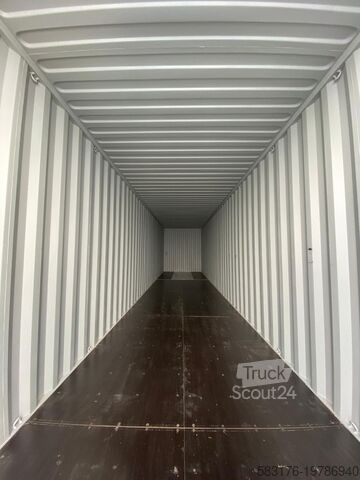
A container home is a dwelling built from one or more shipping containers – the massive steel boxes that transport goods worldwide. The most common sizes are:
| Container Size | Dimensions (L × W × H) | Internal Volume |
|---|---|---|
| 20‑foot (Standard) | 6.06 m × 2.44 m × 2.59 m | ~28 m³ |
| 40‑foot (Standard) | 12.19 m × 2.44 m × 2.59 m | ~56 m³ |
| 45‑foot (High‑Cube) | 13.72 m × 2.44 m × 2.90 m | ~67 m³ |
When converted into a living space, the containers can be:
- Single‑unit homes – one container used as a studio or tiny house.
- Twin‑unit homes – two containers side‑by‑side, often with a combined living‑dining area.
- Stacked or multi‑stack homes – three or more containers stacked vertically for two‑storey layouts.
- Custom configurations – any combination, with cut‑outs for windows, doors, and internal walls.
Each configuration presents a different price profile, which we’ll explore in detail.
2. The Biggest Price Drivers
Knowing the variables that influence cost helps you control the budget from the start. Below are the six most significant factors:
| Factor | How It Affects Price | Typical Variation |
|---|---|---|
| Container condition | New, “one‑trip” containers cost more than used ones that have seen a few voyages. | £2,500–£4,500 (new 20‑ft) vs £1,300–£2,000 (used 20‑ft). |
| Structural modifications | Cutting openings for doors, windows, and internal walls requires reinforcement. | +£1,000–£3,000 per major cut. |
| Insulation & thermal performance | Steel conducts heat; proper insulation (spray foam, panel, or blanket) is essential for UK weather. | £10–£25 per m² depending on system. |
| Finishes & interior fit‑out | Kitchen, bathroom, flooring, and lighting can range from budget to luxury. | £5,000 (basic) to £30,000+ (high‑end). |
| Utilities & services | Connection to water, electricity, sewage, and possibly renewable systems (solar, heat pump). | £2,000–£12,000 depending on distance and complexity. |
| Planning permission & site work | Foundations (pad, pier, or slab), site preparation, and local authority fees. | £5,000–£20,000+ (especially in constrained urban sites). |
Understanding where your priorities sit within these categories lets you target savings where they matter most.
3. Typical Price Ranges for Common Configurations
Below is a snapshot of price bands you’ll find across the UK in 2024–2025. Figures are inclusive of container purchase, basic modifications, and a modest finish (kitchen, bathroom, insulation). They do not include land cost or premium interior design.
| Configuration | Size (m²) | Rough Price Range* | Approx. Cost per m² |
|---|---|---|---|
| 20‑ft studio | 12–15 | £20,000 – £32,000 | £1,600 – £2,800 |
| 40‑ft single‑story (open plan) | 23–26 | £30,000 – £50,000 | £1,300 – £2,200 |
| Twin‑unit (2 × 40‑ft, side‑by‑side) | 45–48 | £55,000 – £80,000 | £1,200 – £1,700 |
| Three‑storey stack (3 × 40‑ft) | 70–80 | £95,000 – £130,000 | £1,200 – £1,600 |
| Custom luxury (4+ containers, high‑spec finishes) | 100+ | £150,000 – £250,000+ | £1,500 – £2,500+ |
*Prices are based on a mid‑range finish (insulated walls, standard kitchen appliances, modest bathroom fixtures). Adding high‑end materials or extensive site work pushes the total toward the upper end of each band.
Quick Example: The “Starter” 40‑ft Home
| Item | Approx. Cost |
|---|---|
| New 40‑ft container | £3,500 |
| Structural cuts & reinforcement | £2,200 |
| Insulation (spray foam, 2 cm) | £1,500 |
| Foundations (concrete pad) | £4,800 |
| Basic kitchen unit | £3,200 |
| Bathroom suite (shower, WC, basin) | £2,800 |
| Electrical & plumbing (rough‑in) | £4,000 |
| Interior finishes (flooring, paint) | £3,500 |
| Planning & permit fees | £2,500 |
| Total | ≈ £28,000 |
This figure shows that a functional, comfortable 40‑ft container home can be achieved well under £30k when you keep the design simple and the site straightforward.
4. Detailed Cost Breakdown – Where Does Your Money Go?
Below is a checklist‑style breakdown you can copy into a spreadsheet for your own project. Tick each line as you obtain quotes; the totals will give you a realistic budget picture.
- Land & Site Preparation
- Purchase of plot (varies dramatically by region)
- Site clearing, ground levelling
- Access road / driveway
- Foundations
- Concrete pad, strip footing, or pier & beam
- Ground‑penetrating survey (if required)
- Container Procurement
- New vs. used
- Delivery to site
- Structural Modification
- Door & window openings
- Reinforcement plates & welding
- Thermal Insulation
- Spray foam, rigid board, or blanket
- Vapor barrier & interior cladding
- Exterior Cladding (optional)
- Timber, fiber‑cement, or metal panels
- Roof & Drainage
- Additional roofing (flat or pitched)
- Gutters & downspouts
- Windows & Doors
- Double‑glazed units (U‑value ≤ 1.2 W/m²K)
- Utilities
- Electrical service & distribution board
- Water supply & mains connection
- Sewage (public drain or septic)
- Interior Fit‑out
- Flooring (laminate, engineered wood, tile)
- Kitchen cabinets, appliances
- Bathroom fittings
- Lighting & switches
- Finishing Touches
- Internal painting / wall panels
- Storage solutions (built‑in wardrobes, loft)
- Professional Fees
- Architect / designer
- Structural engineer (especially for stacked units)
- Surveyor & planning consultant
- Contingency
- Typically 10 % of total (covers unexpected site conditions, price fluctuations).
5. Budget Scenarios – Which Level Suits You?
| Budget Tier | Target Price (incl. all of the above) | Typical Features |
|---|---|---|
| Budget‑friendly | £25,000 – £35,000 | Used container, basic insulation, DIY interior fit‑out, simple foundations. |
| Mid‑range | £45,000 – £70,000 | New container(s), higher‑grade insulation, professional kitchen, standard bathroom, modest exterior cladding. |
| Premium | £90,000 – £150,000+ | Multiple stacked containers, high‑end finishes (stone countertops, designer lighting), renewable energy system, landscaped garden. |
Tip: If you’re on a tight budget, consider a modular approach: start with a single 40‑ft unit as a core living space and design the structure so you can add a second container later when funds allow.
6. How to Keep Costs Down Without Sacrificing Quality
- Source Used Containers Locally – Shipping a container from an overseas port adds £500‑£1,000 in freight. Buying a one‑trip container from a UK port or a local dealer saves money and reduces carbon footprint.
- Standardize Window & Door Sizes – Custom‑size openings require extra reinforcement and bespoke frames. Stick to off‑the‑shelf dimensions (e.g., 900 mm × 2100 mm).
- DIY Where Possible – If you have basic carpentry or electrical skills, tackling interior finishes yourself can shave £3,000‑£5,000 off the total.
- Choose Insulation Wisely – Rigid board (e.g., PIR) offers excellent performance for a lower price than spray foam, especially when installed by a professional.
- Negotiate Bulk Materials – Buying flooring, kitchen units, or bathroom suites in bulk (or second‑hand from other projects) can secure up to 15 % discounts.
- Plan for Future Expansion – Design the structural framework with extra connections so adding another container later doesn’t require major re‑engineering.
7. Financing, Grants, and Incentives
While container homes are still a niche product, several UK schemes can help you fund the project:
| Scheme | Eligibility | Potential Benefit |
|---|---|---|
| The Green Homes Grant (ended 2021, but local councils may still offer variants) | Homeowners improving energy efficiency | Up‑to‑£5,000 off insulation, renewable heating. |
| Self‑Build Mortgage (various lenders) | First‑time buyers or those building a new dwelling | Higher LTV (up to 90 %) for self‑build projects. |
| Council‑run Affordable Housing Initiatives | Low‑income households | Reduced land cost or shared‑ownership options. |
| Renewable Heat Incentive (RHI) | Installation of heat pumps, solar thermal | Quarterly payments for generated heat. |
Even if a specific grant isn’t available, talk to your local council—they often have planning incentives for sustainable housing that can reduce permit fees or provide site‑preparation assistance.
8. Frequently Asked Questions
Q1: Do I need planning permission for a container home?
Yes. In England, any permanent dwelling (including a container home) generally requires planning permission. However, if the structure is deemed “temporary” (e.g., for less than 6 months) it may be exempt. Always check with your local planning authority before buying a container.
Q2: How long does it take to build a container home?
A basic single‑container home can be completed in 8‑12 weeks from foundation to finish, assuming all approvals are in place. Larger, multi‑container projects may take 4‑6 months.
Q3: Are container homes safe in extreme weather (e.g., high winds, floods)?
Steel containers are engineered to withstand harsh marine conditions and can handle high wind speeds when properly anchored. Flood risk is more about site selection and foundation design than the container itself.
Q4: Can I get a mortgage for a container home?
Yes, many lenders treat container homes like any other self‑build property, provided the building meets building regulations and is registered with the Land Registry. A self‑build mortgage or a specialist construction loan is often required.
Q5: What about resale value?
Resale value depends heavily on location, design quality, and planning permission. A well‑finished, legally approved container home in a desirable area can command comparable prices to traditional homes of the same size.
Q6: How much does insulation really cost?
For a 40‑ft container, a full spray‑foam system (≈ 30 m²) runs around £1,500‑£2,000. Rigid PIR panels are slightly cheaper at £1,200‑£1,600 but require an additional interior cladding layer.
Q7: Do I need a structural engineer?
If you’re only using a single container with minimal cuts, a certified builder may suffice. However, for stacked units, large openings, or custom layouts, a structural engineer is essential to certify load‑bearing capacity.
9. Your Next Steps
- Define Your Budget – Use the cost‑breakdown checklist above to set a realistic ceiling.
- Scout Land – Look for sites with minimal ground‑work requirements (flat, good access).
- Secure Planning Permission – Prepare a simple design package (site plan, elevations, floor plan) and submit to the council.
- Source the Container – Contact multiple UK suppliers, compare condition, delivery costs, and warranties.
- Select a Builder or DIY – If you’re comfortable with basic carpentry and plumbing, you can self‑manage interior works; otherwise, obtain quotes from specialist container‑home contractors.
- Arrange Financing – Talk to mortgage brokers about self‑build products and explore any local grant opportunities.
- Monitor Progress & Keep a Contingency Fund – Unexpected site conditions are common; a 10 % contingency safeguards your timeline and prevents costly overruns.
10. Closing Thoughts
Container homes are no longer a novelty; they’re a viable, increasingly affordable pathway to owning a modern, low‑impact dwelling in the UK. By understanding the price landscape, planning for the key cost drivers, and making smart choices on materials, design, and financing, you can bring your steel‑box vision to life without breaking the bank.
Ready to start your container‑home journey? Grab a pen, sketch a rough layout, and use the tables and checklist in this post as your roadmap. The next time you step inside your new home, you’ll know exactly how each bolt, brick, and budget line contributed to turning a shipping container into a place you can truly call yours.
Happy building!