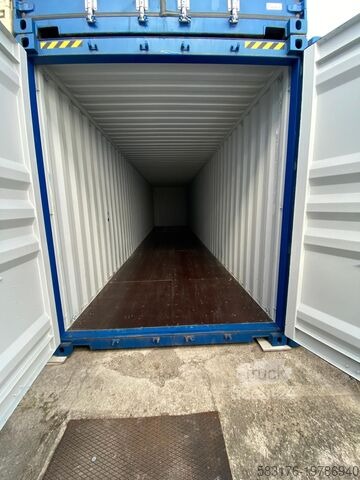
Turning a Shipping Container into a Functional Room: The Complete Guide for You
When you first see a steel shipping container sitting on a lot, you might think of it as just a rust‑prone box waiting to be discarded. In reality, that same box can become a container room—a versatile, cost‑effective space that can serve as an office, studio, home extension, pop‑up shop, or even a tiny home.
If you’re considering turning a container into a livable or work‑ready environment, this post walks you through everything you need to know: from design basics and material choices to budgeting, installation, and maintenance. By the end, you’ll have a clear roadmap to transform a simple container into a functional, stylish room that meets your exact needs.
1. What Exactly Is a “Container Room”?
A container room is a repurposed intermodal shipping container that has been modified for stationary use. Unlike a traditional building, it retains the structural integrity of a steel box while you add insulation, windows, doors, interior finishes, and utilities.
| Feature | Standard Shipping Container | Modified Container Room |
|---|---|---|
| Structure | Steel frame, corrugated walls, 1.5‑inch thick floor | Same frame, reinforced if needed for openings |
| Dimensions (Typical) | 20‑ft: 20’ × 8’ × 8.5’; 40‑ft: 40’ × 8’ × 8.5’ | Same exterior dimensions (custom extensions possible) |
| Insulation | None (metal only) | Spray foam, rigid board, or blanket insulation |
| Windows/Doors | None (solid steel) | Patched openings with double‑glazed windows, insulated doors |
| Utilities | None | Electrical wiring, plumbing, HVAC options |
| Cost (USD) | $2,000‑$4,500 (used) | $10,000‑$45,000 depending on finish level |
In short, a container room is a ready‑made shell that you can customize far more quickly and cheaply than building from the ground up.
2. Why Choose a Container Room?
2.1 Speed of Construction
- Turnkey in weeks, not months – Once the container arrives, modifications can be completed in 2‑6 weeks.
- Prefabricated – No need for a foundation (though a concrete pad or footings improve stability and insulation).
2.2 Cost Efficiency
- Material cost is a fraction of conventional construction.
- Labor is streamlined because most modifications are performed by specialists who understand container architecture.
2.3 Sustainability
- Upcycling – You divert a steel box from the waste stream.
- Recyclable steel – At the end of its life, the container can be entirely recycled.
2.4 Mobility & Flexibility
- Relocatable – If your business moves, the room can be transported on a flatbed truck.
- Modular – Add or subtract sections to grow with your needs.
2.5 Design Freedom
- Custom interiors – From lofted beds to mezzanine offices, the interior is yours to shape.
- Exterior aesthetics – Paint, cladding, or timber sidings can dramatically change the look.
3. Planning Your Container Room: A Step‑by‑Step Checklist
| Step | What to Do | Key Considerations |
|---|---|---|
| 1. Define Purpose | Office, studio, bedroom, retail, etc. | Determine required square footage, ceiling height, and zoning regulations. |
| 2. Choose Size | 20‑ft, 40‑ft, or multiple units | Larger spaces cost more but reduce the need for interior walls. |
| 3. Select a Supplier | Local dealer, online marketplace, or auction site | Verify container condition (rust, dents, prior modifications). |
| 4. Draft Layout | Sketch floor plan, mark windows/doors, utilities | Use software (SketchUp, AutoCAD) or a simple graph paper. |
| 5. Budget | Estimate all costs (container, modifications, permits) | Add a 10‑15% contingency for unexpected expenses. |
| 6. Obtain Permits | Building, electrical, plumbing, zoning | Regulations vary by city; consult your municipality early. |
| 7. Hire Contractors | Insulation, framing, electrical, HVAC, interior finishes | Look for firms with container‑specific experience. |
| 8. Schedule Delivery & Installation | Coordinate site prep, container drop‑off, and work phases | Provide clear access routes for the delivery truck. |
| 9. Inspect & Finish | Verify work quality, perform final walkthrough | Check for leaks, proper insulation levels, and functional utilities. |
| 10. Move In / Use | Furnish, decorate, equip | Add personal touches—plants, artwork, ergonomic furniture. |
4. Design Essentials: Making the Space Comfortable
4.1 Insulation & Climate Control
- Spray Foam (Closed‑Cell) – Best for airtightness and R‑value (≈ 6‑7 per inch).
- Rigid Foam Board – Good for flat surfaces; combine with reflective foil for extra thermal resistance.
- Blanket Insulation (Rockwool) – Excellent for sound dampening, ideal for studios.
Tip: Aim for an overall R‑value of at least R‑20 for walls and R‑30 for the roof in colder climates.
4.2 Ventilation & Air Quality
- Passive Ventilation – Louvered vents or operable windows.
- Mechanical Ventilation – Energy‑recovery ventilators (ERV) or mini‑split HVAC units.
4.3 Lighting
- Natural Light – Install double‑glazed windows (low‑E coating) to reduce heat gain.
- LED Fixtures – Low power consumption, long lifespan, and available in a variety of color temperatures.
4.4 Interior Layout Ideas (Bullet List)
- Open‑Plan Office: One large workstation, modular storage, and a breakout area.
- Studio/Workshop: Heavy‑duty flooring, reinforced wall sections for tool mounting, and a mezzanine loft for storage.
- Home Extension: Add a pocket door to your existing house, incorporate a kitchenette, and use reclaimed wood for a warm aesthetic.
- Retail Pop‑Up: Glass storefront panels, branding signage, and a simple POS counter.
4.5 Exterior Finishing Options
| Finish Type | Appearance | Durability | Cost (per sq ft) |
|---|---|---|---|
| Industrial Paint (epoxy) | Sleek, metallic | Good, requires periodic touch‑up | $1–2 |
| Wood Cladding | Warm, cabin‑like | Moderate (needs sealing) | $4–6 |
| Metal Siding (Aluminum) | Modern, reflective | Excellent | $3–5 |
| Living Green Wall | Eco‑friendly, natural | Variable (requires irrigation) | $8–12 |
5. How Much Does a Container Room Really Cost?
Below is a ballpark cost breakdown for a 40‑ft container room with mid‑range finishes. Prices can vary dramatically based on location, design complexity, and material choices.
| Category | Low‑End (USD) | Mid‑Range (USD) | High‑End (USD) |
|---|---|---|---|
| Container (used) | $2,500 | $3,500 | $4,500 |
| Delivery & Site Prep | $800 | $1,200 | $1,800 |
| Insulation & Interior Framing | $1,500 | $2,500 | $4,000 |
| Windows & Doors | $900 | $1,600 | $2,500 |
| Electrical & Lighting | $1,200 | $2,000 | $3,500 |
| HVAC (mini‑split) | $1,200 | $2,100 | $3,400 |
| Interior Finishes (flooring, panels) | $2,000 | $4,000 | $6,500 |
| Permits & Design Fees | $600 | $1,200 | $2,000 |
| Total Approx. | $11,700 | $20,600 | $32,700 |
Remember: Add a 10‑15% contingency for unexpected expenses such as structural reinforcements or extra utility work.
6. Installation & Construction Timeline
| Phase | Duration | Key Activities |
|---|---|---|
| Site Preparation | 2‑4 days | Clear the area, level ground, pour concrete pad if required. |
| Container Delivery | 1‑2 days | Position container using a crane or forklift; secure on footings. |
| Structural Modifications | 4‑7 days | Cut openings for windows/doors, reinforce frames, add steel supports. |
| Insulation & Framing | 3‑5 days | Install insulation, interior studs, and sub‑flooring. |
| Electrical & Plumbing | 3‑5 days | Run conduit, install fixtures, connect to main utilities. |
| HVAC & Ventilation | 2‑3 days | Mount indoor/outdoor units, test airflow. |
| Interior Finish | 5‑10 days | Install drywall/plywood, paint, flooring, and fixtures. |
| Final Inspection & Punch‑List | 1‑2 days | City inspection, address any deficiencies. |
| Move‑In | 1‑2 days | Bring furniture, decorate, and enjoy! |
Overall, a complete container room project usually spans 3–6 weeks from delivery to move‑in—much faster than traditional construction.
7. Maintenance Tips to Keep Your Container Room in Top Shape
- Inspect for Rust Annually – Touch up any scratches in the metal with rust‑inhibiting primer and paint.
- Check Sealants – Ensure window and door caulking remains intact to prevent water infiltration.
- Clean HVAC Filters – Replace or clean every 3–6 months for optimal performance.
- Monitor Insulation – Look for condensation on interior walls; this may indicate insufficient vapor barrier.
- Pest Prevention – Seal any gaps around utility penetrations to discourage rodents or insects.
8. Frequently Asked Questions (FAQ)
| Question | Answer |
|---|---|
| Can I place a container room on a slab without a foundation? | Yes, a level concrete slab (minimum 4‑inch thick) is sufficient for most applications, but local building codes may require footings for larger units. |
| Do I need a permit for a container room? | In most jurisdictions, a building permit is required, especially if you add electrical, plumbing, or alter the structure. Check with your city’s planning department early. |
| How do I improve soundproofing for a music studio? | Use dense insulation like rockwool, double‑glazed windows, and add a second layer of drywall with acoustic sealant. Adding a floating floor can further reduce vibrations. |
| Is a container room suitable for residential living? | Absolutely, provided you meet local zoning, insulation, ventilation, and safety standards. Many people live in fully finished container homes. |
| What’s the best way to waterproof the roof? | Apply a high‑quality roofing membrane (e.g., EPDM or TPO) over the existing steel, then add a slight slope with tapered insulation to direct water to drainage points. |
| Can I stack containers for a two‑story building? | Yes, stacking is a common approach. Ensure you use a certified structural engineer to verify load‑bearing capacity and add proper anchoring. |
| How long does a container last before corrosion becomes a problem? | With proper coating and maintenance, a steel container can last 30‑50 years or more. Regular inspections and touch‑ups extend its life. |
| What financing options exist for container rooms? | Some lenders treat container homes like modular homes; you can also explore personal loans, home equity lines of credit, or specialty financing from companies that specialize in prefabricated structures. |
9. Final Thoughts: Your Next Steps
You now have a comprehensive overview of everything involved in turning a shipping container into a functional room. The key takeaways are:
- Define the purpose of your space before you buy the container.
- Plan for insulation, ventilation, and utilities early to avoid expensive retrofits.
- Budget realistically, including a contingency for unexpected work.
- Check local regulations to secure the necessary permits.
- Partner with contractors who have container‑specific experience.
When you follow these steps, you’ll enjoy a fast, affordable, and sustainable solution that can adapt as your needs evolve. Whether you’re a small‑business owner needing a pop‑up shop, a remote worker craving a private office, or a homeowner looking for a stylish home addition, a container room can deliver.
Ready to start? Begin by searching reputable container suppliers in your area, gather a few quotes, and sketch a rough floor plan. The more specific you are at the planning stage, the smoother the build will be.
Happy building—your new container room awaits!