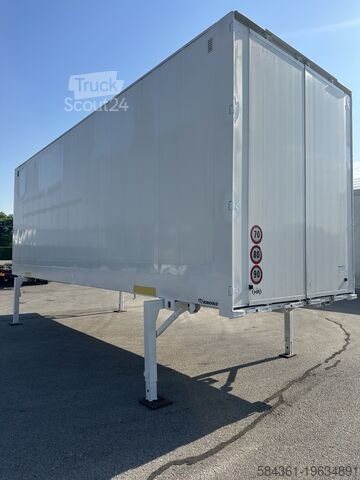
The Rise of Container Housing: What You Need to Know Before You Build
If you’ve been scrolling through home‑design magazines, browsing Instagram, or listening to the latest sustainability podcasts, you’ve probably heard the buzz word “container housing.” Those gleaming steel boxes that once held cargo across oceans are now being turned into sleek studios, family homes, and even multi‑unit complexes.
In this post you’ll get a deep‑dive into everything you need to consider before you decide whether a container home is right for you. We’ll walk through the practical benefits, the design challenges, real‑world cost comparisons, and the environmental impact. A handy table and several easy‑to‑follow lists will keep the information organized, and an FAQ at the end will answer the most common questions.
1. What Exactly Is Container Housing?
A container house (sometimes called a “shipping‑container home”) is a dwelling constructed from one or more standard intermodal steel containers—typically 20‑foot (6 m) or 40‑foot (12 m) units. These containers are:
| Size | Internal Dimensions (approx.) | Typical Weight | Common Use |
|---|---|---|---|
| 20‑ft (standard) | 19.4 ft × 7.8 ft × 7.9 ft | 2,300 lb (1,040 kg) | Studio, tiny home |
| 40‑ft (standard) | 39.5 ft × 7.8 ft × 7.9 ft | 4,800 lb (2,200 kg) | Two‑bedroom, office |
| 40‑ft (high‑cube) | 39.5 ft × 7.8 ft × 8.9 ft | 5,100 lb (2,300 kg) | Larger living spaces, lofts |
Because the containers are built to withstand the rigors of global shipping, they’re already structurally robust, weather‑tight, and modular. The real magic happens when you combine them with creative interior design, insulation, and utilities.
2. Why Consider a Container Home?
2.1 Speed of Construction
- Rapid assembly: A basic 40‑ft container can be turned into a livable space in as little as 2–4 weeks when you have a skilled crew.
- Off‑site fabrication: Most modifications (cutting windows, adding doors, installing insulation) happen in a workshop, so on‑site work is limited to foundation and utilities.
2.2 Cost Efficiency
- Lower material costs: A used 40‑ft container typically ranges from $1,500–$3,500, whereas a comparable square‑footage of conventional framing can exceed $30,000 in material alone.
- Reduced labor: The modular nature cuts down on on‑site labor hours, saving you money in the long run.
2.3 Sustainability
- Recycling: You’re repurposing steel that might otherwise sit in a scrapyard.
- Energy savings: Steel has a high thermal mass, and when paired with proper insulation, it can reduce heating/cooling loads.
2.4 Design Flexibility
- Stackable and connectable: You can stack containers vertically or join them horizontally to create larger floor plans.
- Customizable finishes: From industrial loft aesthetics to cozy timber interiors, the exterior can be painted, cladded, or left raw.
3. Design Considerations You Can’t Ignore
Even though container homes are “plug‑and‑play,” there are crucial design aspects that will determine whether your project succeeds.
| Consideration | What You Need to Do | Why It Matters |
|---|---|---|
| Insulation | Add spray‑foam, rigid board, or blanket insulation to interior walls/roof. | Steel conducts heat and cold quickly; without insulation you’ll face uncomfortable temperatures and condensation. |
| Ventilation & Moisture | Install mechanical ventilation (ERV/HRV) and moisture‑resistant interior finishes. | Prevents mold, ensures indoor air quality. |
| Structural Cuts | Use a certified structural engineer when cutting large openings for windows/doors. | Maintaining load‑bearing integrity is essential for safety. |
| Foundation | Choose a pier, slab, or crawl‑space foundation based on local code and soil conditions. | Provides stability and protects the steel from ground moisture. |
| Utility Integration | Plan electrical, plumbing, and HVAC routes before cutting the container. | Avoids costly retrofits and complies with building codes. |
| Local Regulations | Check zoning, building permits, and fire‑rating requirements. | Non‑compliance can halt your project or create legal headaches. |
4. How Does the Cost Stack Up?
Below is a simplified cost comparison for a 1,200 sq ft family home built with either a conventional wood‑frame or a container‑based approach. Numbers are averages for the United States in 2024 and include land, permits, and basic finishes.
| Item | Conventional Wood‑Frame (USD) | Container‑Based (USD) |
|---|---|---|
| Land (average) | $75,000 | $75,000 |
| Foundation (slab) | $15,000 | $15,000 |
| Structural Shell | $45,000 | $12,000* |
| Insulation & Interior Finish | $30,000 | $25,000 |
| Electrical & Plumbing | $20,000 | $20,000 |
| HVAC | $12,000 | $10,000 |
| Labor (general) | $30,000 | $20,000 |
| Total Approx. | $207,000 | $162,000 |
*The “Structural Shell” for containers includes the purchase of two 40‑ft high‑cube containers, the cutting/ welding of openings, and exterior cladding.
Takeaway: While the savings can be significant, they hinge on careful planning, the availability of used containers, and the cost of specialized labor.
5. Environmental Impact – More Than Just Recycling
5.1 Carbon Footprint
- Embodied steel: Shipping steel emits roughly 1.8 kg CO₂ per kg of steel. A 40‑ft container (≈2,300 kg) therefore carries about 4.1 t CO₂.
- Offset by lifespan: If the container is used for 30+ years, the annualized embodied carbon drops below that of many traditional homes.
5.2 Energy Efficiency
- Thermal bridging: Steel can create thermal bridges, but with continuous exterior insulation you can achieve R‑30 walls (comparable to conventional builds).
- Renewable integration: Container roofs can host solar panels, and the compact footprint makes passive solar design easier.
5.3 Waste Reduction
- Zero demolition waste: Since you’re not tearing down a building, you eliminate landfill debris.
- Reusability: When you eventually move, the containers can be transported and re‑configured elsewhere.
6. Real‑World Examples to Inspire You
| Project | Location | Size (sq ft) | Containers Used | Notable Feature |
|---|---|---|---|---|
| Boxpark | London, UK | 30,000 | 50+ 40‑ft | Pop‑up retail & apartments wrapped in reclaimed shipping containers |
| Stackhouse | Seattle, WA | 1,200 | 3 (2 × 40‑ft, 1 × 20‑ft) | Prefabricated, stackable “plug‑and‑play” with solar roof |
| Casa de Contenedores | Medellín, Colombia | 800 | 2 × 40‑ft | Low‑cost social housing with rain‑water harvesting |
| The Cube | Melbourne, AU | 2,500 | 5 × 40‑ft high‑cube | Luxury boutique hotel with modular interiors |
These projects illustrate the versatility of containers—from affordable housing to upscale hotels. Pick a model that matches your budget, climate, and aesthetic goals.
7. Getting Started: A Step‑by‑Step Checklist
- Define Your Program – How many bedrooms? What square footage?
- Secure Land & Zoning Approval – Verify that container homes are permissible.
- Hire a Qualified Team – Look for a structural engineer familiar with steel containers, a contractor experienced in metal fabrication, and an architect who can design within the module.
- Create a Budget & Timeline – Include a contingency of 10–15% for unexpected cuts or code changes.
- Source Containers – Choose reputable dealers; inspect for rust, dents, and previous modifications.
- Plan Insulation & Utilities – Decide on spray‑foam, rigid board, or a hybrid system; map out electrical and plumbing routes.
- Obtain Permits – Submit structural calculations, fire‑rating details, and site plans.
- Fabricate & Modify – Cut openings, weld reinforcements, and apply exterior cladding.
- Install Foundation & Assemble – Position containers, secure them, and connect utilities.
- Finish Interiors – Insulate, drywall, install fixtures, and apply finishes.
- Final Inspection & Occupancy – Pass all local inspections and move in!
8. Frequently Asked Questions
| Question | Answer |
|---|---|
| Do I need a special foundation for a container house? | Not necessarily. Many owners use concrete piers, slab‑on‑grade, or a simple crawl‑space. The key is to keep the steel off the ground to prevent moisture damage. |
| Can I add a second story? | Yes. Containers are designed to bear vertical loads, but you must have an engineer verify that the stacked configuration meets local load requirements. |
| How long does a container home last? | With proper maintenance (protecting against rust, ensuring good insulation, and regular roof checks), a steel container can easily exceed 50 years. |
| Is financing available for container homes? | Some lenders treat them as “manufactured homes,” while others consider them “custom-built.” Shop around and be prepared to provide detailed plans and appraisals. |
| What about resale value? | It depends on location, design quality, and market perception. Well‑designed, code‑compliant container homes in high‑demand areas can appreciate similarly to traditional homes. |
| Do I need a fire‑rated wall? | Many jurisdictions require fire‑resistance ratings. Adding fire‑rated drywall or external cladding can satisfy these codes. |
| Can I install a garage or carport? | Absolutely. A 20‑ft container works well as a detached garage, or you can attach a garage module to the main living unit. |
| How do I handle condensation? | Use a vapor barrier on the interior, ensure proper insulation, and install mechanical ventilation (HRV/ERV) to control indoor humidity. |
| Is it possible to “move” a container home later? | Yes. Since the structure is modular, you can relocate it with a crane and a flat‑bed trailer, provided you have a new foundation ready. |
| What’s the most common mistake first‑time owners make? | Under‑estimating the cost and complexity of insulation and interior finishing. Steel is great for structural strength, but you still need a well‑designed envelope to make it comfortable. |
9. Bottom Line: Is a Container Home Right for You?
If you crave speed, cost savings, and a sustainable footprint—and you’re willing to invest time in thoughtful design and code compliance—a container house can be a compelling solution. The modular nature gives you freedom to expand, shrink, or relocate as your needs change, while the steel shell offers durability that many traditional builds can’t match.
That said, container housing isn’t a one‑size‑fits‑all answer. You’ll need to weigh the trade‑offs: the necessity for proper insulation, the possible need for extra structural engineering, and the nuances of local zoning.
Take the next step by sketching a rough floor plan, reaching out to a local architect, and checking your municipality’s regulations. Armed with the information above, you’ll be far better equipped to decide whether the future of housing—or at least a slice of it—lies inside a repurposed shipping container.
Happy building!