The Ultimate Guide to Container Rentals: What You Need to Know Before You Sign
Whether you’re a small‑business owner needing a temporary storage solution, a contractor looking for on‑site material protection, or a homeowner planning a big renovation, container rentals can be the fast, flexible answer to your space problem. In this guide you’ll discover everything you need to know to choose, rent, and make the most of a shipping container—right from the different types available to the hidden costs that often catch renters off guard.
Key takeaway: Renting a container is usually cheaper and quicker than buying one outright, especially when you need it only for a few weeks or months. Understanding the variables—size, material, delivery, and insurance—will help you avoid surprises and keep your project on schedule.
1. Why Rent a Container Instead of Buying?
| Factor | Renting | Buying |
|---|---|---|
| Up‑front Cost | Low (deposit + weekly/monthly fee) | High (full purchase price) |
| Flexibility | Easy to upgrade or downsize | Fixed asset; you own what you bought |
| Maintenance | Provider handles repairs & cleaning | You’re responsible for upkeep |
| Storage | Provider stores when not in use | You must find space for the container |
| Depreciation | No long‑term depreciation concerns | Asset loses value over time |
Bottom line: If your need is short‑term or project‑specific, renting typically offers a better ROI. Buying makes sense only when you anticipate continuous, long‑term use and have space to store the container when idle.
2. Types of Containers You Can Rent
Shipping containers come in several standard configurations. Below is a quick‑reference table that outlines the most common options, their dimensions, typical uses, and average rental pricing (prices vary by region and provider).
| Container Type | Size (L × W × H) | Approx. Interior Volume | Common Applications | Typical Rental Rate* |
|---|---|---|---|---|
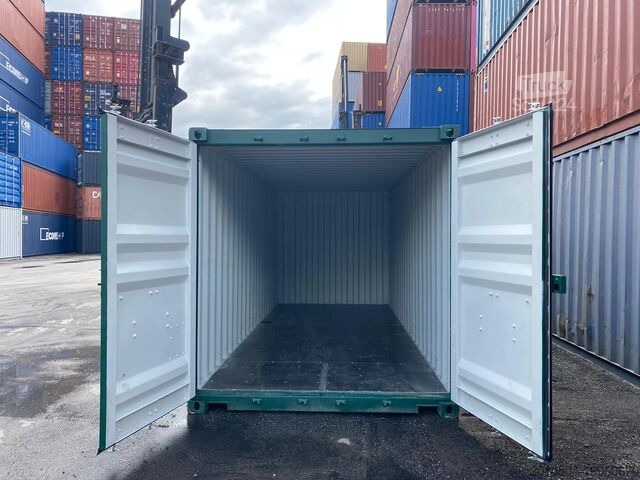
| Standard 20‑ft Dry Container | 20′ × 8′ × 8′ 6″ | 1,172 cu ft | General storage, equipment, small‑scale construction | $70–$120 / month |
| Standard 40‑ft Dry Container | 40′ × 8′ × 8′ 6″ | 2,390 cu ft | Large inventory, bulk building materials | $120–$180 / month |
| High‑Cube 40‑ft Container | 40′ × 8′ × 9′ 6″ | 2,700 cu ft | Height‑sensitive cargo, large machinery | $140–$200 / month |
| Reefer (Temperature‑Controlled) 20‑ft | 20′ × 8′ × 8′ 6″ | 1,172 cu ft | Perishables, pharmaceuticals, chemicals | $150–$250 / month |
| Reefer 40‑ft | 40′ × 8′ × 8′ 6″ | 2,390 cu ft | Large temperature‑sensitive shipments | $220–$350 / month |
| Open‑Top Container | 20′ or 40′ | Same as dry container | Over‑height cargo, raw timber, construction aggregates | $80–$140 / month |
| Flat‑Rack Container | 20′ or 40′ | Minimal interior, frame only | Heavy machinery, vehicles, oversized items | $100–$180 / month |
| Modified/Pop‑Up Container | Customizable | Varies | Pop‑up shops, on‑site offices, event shelters | $150–$300+ / month (depends on fit‑out) |
*Rates are average US market prices for a 30‑day rental, exclusive of delivery, permits, and insurance.
Quick Tips for Choosing the Right Container
- Measure Your Cargo – Add a 6‑inch buffer on all sides to accommodate loading equipment.
- Consider Height Needs – If you’ll stack pallets three high, go for a high‑cube.
- Temperature Requirements – Choose a reefer only if you truly need climate control; they cost significantly more.
- Access Points – Open‑top containers make loading bulky items easier, but they offer less protection from weather.
- Future Expansion – If you anticipate needing more space later, start with a 20‑ft unit and have the option to “scale up” to a 40‑ft unit without moving the container again.
3. How the Rental Process Works (Step‑by‑Step)
- Define Your Needs
- List the items you’ll store, their dimensions, and any special handling (e.g., temperature).
- Estimate rental duration (weeks, months, or longer).
- Request a Quote
- Contact at least three reputable providers. Most have online calculators that ask for size, location, and delivery distance.
- Review the Terms
- Look for:
- Deposit amount (usually 10‑20 % of the total rental).
- Late‑return fees (often a daily rate).
- Damage waiver or insurance coverage.
- Permitting requirements (some municipalities require a temporary storage permit).
- Look for:
- Schedule Delivery & Placement
- Provide a clear site plan—ensure the ground is level, the container can be accessed by a truck, and there’s enough clearance for opening doors.
- Load Your Cargo
- Use proper equipment (forklift, pallet jack). Load heavy items first, distribute weight evenly, and secure with straps or tie‑downs.
- Monitor Rental Period
- Keep track of the return date; some providers allow extensions for a small fee.
- Return or Extend
- If returning, clean the interior, remove all personal items, and schedule a pick‑up. A pristine return can help you recover the full deposit.
4. Hidden Costs You Should Budget For
| Cost Category | Typical Range | Why It Matters |
|---|---|---|
| Delivery & Pick‑up | $100–$500 per trip (depends on distance) | Even if the container itself is cheap, transportation can add up, especially for remote sites. |
| Permit Fees | $50–$300 (city‑specific) | Many local jurisdictions treat a container as a temporary structure. |
| Insurance / Damage Waiver | $10–$30 per month | Protects you from costly claims if the container is vandalized or damaged. |
| Cleaning Fees | $30–$120 (if not returned empty) | Most companies charge for cleaning if you leave debris or oil stains. |
| Extension Penalties | Daily rate + 10 % surcharge | Extensions are often cheaper than a new contract, but ask for a discount if you know you’ll need extra time. |
| Utility Hook‑ups (Reefer) | $1–$2 per kWh + service fee | For temperature‑controlled units, electricity costs must be factored in. |
Pro tip: Ask the provider for a “full‑cost estimate” that includes all of the above before you sign. This eliminates surprises later.
5. Benefits of Renting a Container (Beyond Simple Storage)
- Mobility: You can relocate the container to a new site without re‑purchasing.
- Security: Steel walls, lockable doors, and optional alarm systems keep valuables safe.
- Weather‑Proofing: Containers are weather‑sealed; they protect against rain, wind, and UV exposure.
- Scalability: Add or replace containers as your project evolves.
- Cost‑Effective Marketing: Pop‑up shops and mobile boutiques use containers as low‑cost, eye‑catching storefronts.
- Regulatory Compliance: A container can serve as a temporary waste‑handling unit that meets OSHA or EPA standards (when fitted with appropriate lids and ventilation).
6. Frequently Asked Questions (FAQ)
Q1: How long can I rent a container?
You can rent for as little as a single day up to several years. Many providers offer “long‑term discounts” for rentals exceeding six months.
Q2: Do I need a special license to operate a container on my property?
Generally no, but local zoning ordinances may require a temporary storage permit, especially if the container is placed in a residential area.
Q3: What happens if the container is damaged while it’s in my possession?
Most rental agreements include a damage waiver that you can purchase. If you don’t have one, you’ll be responsible for repair costs, which can run from a few hundred to several thousand dollars depending on the damage.
Q4: Can I customize the interior (e.g., add shelving or lighting)?
Yes, many rental companies allow you to request modifications for an additional fee. If you do any permanent alterations, you may need to return the container in its original condition or pay a restoration charge.
Q5: Are there size limits for delivery trucks?
Standard 20‑ft and 40‑ft containers fit on most flat‑bed trucks. However, road‑weight restrictions and bridge clearances can affect delivery routes—your provider will verify this during the scheduling phase.
Q6: Is it cheaper to rent multiple smaller containers or a single large one?
It depends on the cargo layout. Multiple small containers give you flexibility and may reduce loading time, while a single large unit often has a lower per‑cubic‑foot cost. Run a quick cost comparison using the table above.
Q7: How do I secure a container against theft?
Use high‑security padlocks, add a steel door reinforcement plate, and consider a motion‑sensor alarm. Some companies also offer GPS tracking as an optional add‑on.
Q8: Can I use a container for a mobile office?
Absolutely. Pop‑up or modified containers can be fitted with HVAC, electrical outlets, and interior finishes to create a comfortable workspace.
7. Checklist: Before You Sign the Rental Agreement
- Confirm container size and type matches your cargo dimensions.
- Get a written quote that includes delivery, pick‑up, and any permit fees.
- Verify insurance coverage or purchase a damage waiver.
- Ask about the deposit refund process and any cleaning requirements.
- Ensure the delivery site is level, accessible, and cleared of obstacles.
- Review the extension policy—understand how to add days or weeks.
- Record the container’s condition (photos or video) at drop‑off and pick‑up.
Having this checklist handy will keep you organized and protect you from hidden charges.
8. Real‑World Example: A Small Business’s Journey
Sarah runs a boutique furniture studio in Austin, TX. She needed temporary storage for a seasonal line of wooden tables and chairs while her workshop underwent renovations.
| Step | What Sarah Did | Result |
|---|---|---|
| Assessment | Measured 30 pallets of furniture; needed 1,500 cu ft. | Chose a 40‑ft high‑cube container. |
| Quote Gathering | Requested quotes from three local providers. | Selected the one offering free delivery within 25 miles. |
| Permit | Applied for a 30‑day temporary storage permit with the city. | Permit approved in 2 days. |
| Loading | Used a forklift to stack pallets, secured with ratchet straps. | No damage, efficient loading. |
| Rental Period | 45 days (extended 15 days via a discount). | Paid $165/month + $150 extra for the extension. |
| Return | Cleaned interior, removed all furniture, photographed container. | Full deposit ($250) refunded. |
Key takeaway: Even a small operation can save over $1,000 by renting strategically and staying on top of paperwork.
9. Final Thoughts
Container rentals are more than just a place to stash boxes—they’re a versatile, mobile solution that can adapt to the demands of construction sites, pop‑up events, and ever‑changing inventory needs. By understanding the types of containers, the cost structure, and the logistical steps involved, you’ll be equipped to make an informed decision that protects your budget and keeps your project moving forward.
Take action today:
- List the items you need to store.
- Use the table above to pinpoint the right container size.
- Contact three local rental companies for quotes—and remember to ask about hidden fees!
When you choose wisely, a container becomes not just a storage unit, but a strategic asset that fuels efficiency, security, and growth.
Happy renting!