Mastering Container Storage: A Practical Guide for Modern Logistics Professionals
Whether you run a small import‑export boutique or oversee a multinational supply‑chain hub, the way you store containers can make—or break—your operational efficiency, bottom line, and customer satisfaction. In this post you’ll discover the essential building blocks of container storage, compare the most common storage solutions, and walk away with a checklist of best‑practice habits that you can implement today.
Pro tip: Treat container storage as the “middle mile” of your logistics network. It sits between inbound freight arrival and outbound dispatch, and it’s where inventory accuracy, safety, and cost control converge.
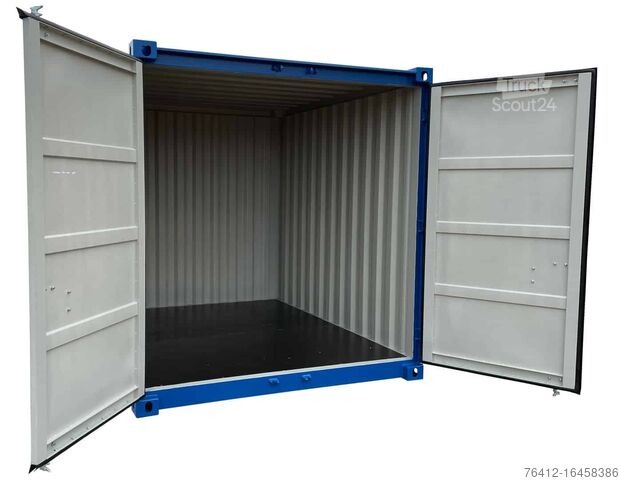
1. The Core Types of Shipping Containers
Before you decide where to keep them, you need to know what you’re storing. Below is a quick‑reference table that outlines the six most widely used container classes.
| Container Type | Dimensions (L×W×H) | Typical Use Cases | Special Features |
|---|---|---|---|
| Standard Dry (20‑ft) | 20′ × 8′ × 8′ 6″ | General cargo, pallets, boxed goods | Lightweight, easy to stack |
| Standard Dry (40‑ft) | 40′ × 8′ × 8′ 6″ | High‑volume bulk, long items | 2× capacity of 20‑ft, same footprint |
| High‑Cube Dry (40‑ft) | 40′ × 8′ × 9′ 6″ | Light but voluminous cargo (e.g., textiles) | Extra 1‑ft height |
| Reefer (40‑ft) | 40′ × 8′ × 8′ 6″ | Temperature‑sensitive goods (pharma, food) | Integrated refrigeration, power hook‑up |
| Open‑Top | 20‑ft or 40‑ft | Over‑height cargo (machinery, timber) | Removable tarpaulin, crane loading |
| Flat‑Rack | 20‑ft or 40‑ft | Heavy or irregularly shaped cargo (vehicles, pipes) | Collapsible sides, no side walls |
Why it matters: Matching container type to storage method influences stacking limits, ventilation requirements, and the level of security you’ll need.
2. Where to Store Your Containers: Options & Trade‑offs
Choosing a storage location isn’t just about “available space.” It’s a strategic decision that impacts cost, speed, security, and compliance. Use the comparison table below to evaluate each option against the criteria that matter most to you.
| Storage Option | Typical Cost (per TEU/month) | Access Speed | Security Level | Ideal For | Key Drawbacks |
|---|---|---|---|---|---|
| On‑Site Yard (company‑owned) | $30–$50 | Immediate (0‑30 min) | High (fenced, CCTV) | High‑volume shippers, need rapid turnaround | Capital‑intensive upfront (land, equipment) |
| Third‑Party Container Yard | $45–$70 | 1–2 hrs (gate clearance) | Medium‑High (managed security) | Seasonal spikes, limited capital | Variable space availability, contractual lock‑ins |
| Port‑Adjacent Warehouse | $55–$90 | 30 min–1 hr | High (customs‑controlled) | Import‑heavy businesses, customs‑bonded goods | Premium rates, congestion during peak periods |
| Off‑Site Public Warehouse | $25–$45 | 2–4 hrs (truck haul) | Medium (controlled‑access) | Low‑frequency storage, cost‑sensitive | Longer dwell times, added handling |
| Automated Container Stackers (Smart Yard) | $70–$110 | <15 min (robotic retrieval) | Very High (AI‑driven monitoring) | High‑tech firms, priority‑service contracts | High tech investment, requires skilled staff |
Quick Decision Checklist
- Volume – Do you regularly handle >500 TEUs per month?
- Turnaround Time – Must containers be loaded within 2 hours of arrival?
- Budget – Is capital expenditure an issue, or can you lease?
- Regulatory Needs – Are you dealing with customs‑bonded or hazardous cargo?
If you answer “yes” to 1 & 2, an on‑site yard or port‑adjacent warehouse is likely the sweet spot. If cost dominates, look at off‑site public warehouses combined with a scheduled pick‑up plan.
3. Five Pillars of Effective Container Storage
Below is a short but powerful list of best‑practice habits you should embed into your SOPs.
- Standardized Stacking Protocols
- Follow the ISO 1496‑1 stacking limits (max 4‑5 containers high for dry, 3 for reefer).
- Use color‑coded corner castings to guide forklift operators.
- Robust Inventory Visibility
- Deploy RFID tags or GPS IoT sensors on each container.
- Integrate data with a Transport Management System (TMS) for real‑time location logs.
- Security & Access Control
- Install perimeter fencing, CCTV, and biometric gate access.
- Conduct daily seal checks and maintain an audit trail of container entry/exit.
- Environmental Management
- For reefer containers, monitor temperature & humidity thresholds via cloud dashboards.
- Ensure proper ventilation for dry containers to prevent condensation.
- Compliance & Documentation
- Keep electronic copies of B/Ls, customs declarations, and insurance certificates attached to container IDs.
- Perform quarterly safety inspections complying with OSHA and local port authority regulations.
4. Leveraging Technology to Reduce Costs
| Tech Solution | Primary Benefit | Approx. ROI (Months) | Implementation Time |
|---|---|---|---|
| IoT Temperature Sensors (Reefer) | Early detection of temperature excursions → reduces spoilage | 6–9 | 2–4 weeks |
| RFID Yard Management | Instant container identification → cuts manual headcount by 70 % | 4–6 | 1–2 months |
| AI‑Driven Slot Optimization | Predictive placement of containers → maximizes yard space usage | 8–12 | 3–5 months |
| Blockchain B/L Transfer | Immutable proof of custody → streamlines customs clearance | 10–14 | 4–6 months |
| Automated Gate Pass System | Faster entry/exit → reduces dwell time by 20 % | 5–7 | 2 months |
Action step: Start with a pilot IoT sensor program on a single reefer line. The quick win will build momentum for broader tech adoption.
5. Cost Breakdown: What You’re Really Paying For
Below is a simplified cost model for a medium‑size importer handling 300 TEUs per month. Figures are illustrative and can vary by region.
| Cost Category | Monthly Cost (USD) | % of Total Cost |
|---|---|---|
| Yard Lease / Rent | $12,000 | 30 % |
| Handling Equipment (forklifts, reach stackers) | $4,500 | 11 % |
| Labor (yard operators, security) | $7,800 | 20 % |
| Insurance (cargo + yard liability) | $2,400 | 6 % |
| Utilities (electricity for reefers, lighting) | $1,200 | 3 % |
| Technology (TMS subscription, IoT sensors) | $3,000 | 8 % |
| Administrative & Compliance | $2,700 | 7 % |
| Miscellaneous (repairs, contingency) | $2,400 | 5 % |
| Total | $40,000 | 100 % |
Tip: Conduct a quarterly cost‑to‑serve analysis. Small adjustments—like renegotiating insurance premiums or optimizing labor shifts—can shave 2‑3 % off the total expense, equating to $800‑$1,200 saved each month.
6. Frequently Asked Questions
| Question | Short Answer |
|---|---|
| Do I need a separate storage permit for containers? | Most jurisdictions require a yard license or warehouse clearance. Check with your local port authority and fire department. |
| Should I lease or buy containers for long‑term storage? | If your average dwell time exceeds 6 months, buying can lower total cost of ownership. For fluctuating volumes, leasing provides flexibility. |
| How often should I inspect container sealing? | Perform a visual seal check on every inbound and outbound movement; conduct a deep inspection (including bolt torque) quarterly. |
| Can I store hazardous materials in a standard dry container? | Only if the cargo meets UN Class 9 (miscellaneous) and you follow IMDG Code packing instructions. For Class 3 (flammable liquids) you need a tank container. |
| What is the best practice for stacking reefer containers? | Stack no more than two reefers high, and always place the coldest unit on top to maintain airflow. Use a temperature‑monitoring system that alerts you to any deviation. |
| Is it worth investing in an automated stacking system? | ROI is typically realized within 12–18 months for high‑throughput yards (≥1,000 TEUs/month). For smaller operations, manual stacking remains cost‑effective. |
| How do customs bonds affect storage fees? | Bonded storage carries a premium (usually 10‑15 % higher) because the facility must meet stricter security standards and may need to post a surety. |
| What insurance coverage do I need for stored containers? | A warehouse legal liability policy plus cargo insurance covering loss, damage, and theft while on‑site. Review exclusions for weather‑related events. |
| Can I consolidate multiple small shipments into one container for storage? | Yes—this is called LCL (Less than Container Load) consolidation. It reduces cost per unit but requires careful inventory tracking to avoid cross‑contamination. |
7. Putting It All Together: Your 8‑Step Action Plan
- Audit Your Current Yard – Map out container types, dwell times, and space utilization.
- Define Key Performance Indicators (KPIs) – e.g., average dwell time, stacking density, incident rate.
- Select the Right Storage Model – Use the decision checklist above to pick on‑site, off‑site, or hybrid.
- Standardize Stacking & Labeling – Adopt ISO stacking limits and implement color‑coded corner castings.
- Deploy Visibility Tech – Start with RFID tags on high‑value containers and integrate with your TMS.
- Upgrade Security – Install biometric gate access and ensure CCTV coverage of all entry points.
- Run a Cost‑to‑Serve Review – Identify the top three cost drivers and negotiate better rates or process tweaks.
- Train & Certify Staff – Conduct quarterly safety and compliance workshops; certify forklift operators on container handling.
By systematically addressing each step, you’ll transition from a reactive “store‑and‑wait” mindset to a proactive, data‑driven container storage strategy—one that reduces costs, boosts throughput, and keeps your cargo safe.
Final Thought
Container storage may feel like a background operation, but it’s the critical bridge that connects inbound freight to outbound delivery. When you treat it as a strategic asset—leveraging the right containers, optimal yard locations, technology, and disciplined processes—you unlock measurable gains across the entire supply chain.
Ready to revamp your container storage? Start with the checklist above, and watch your operational efficiency climb.
If you found this guide useful, subscribe for monthly logistics deep‑dives and download our free “Container Storage KPI Dashboard” template at the bottom of the page.