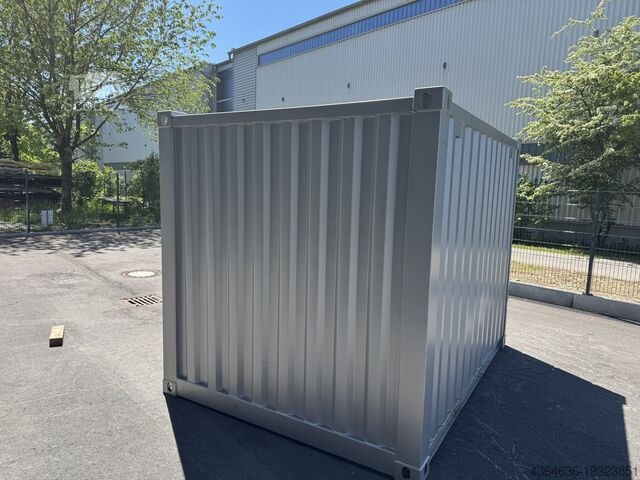
ISO Containers for Sale: The Complete Guide You Need Before You Buy
When you start thinking about adding extra storage, expanding a logistics operation, or creating a pop‑up retail space, ISO containers appear on almost every suggestion list. Their durability, modularity, and worldwide standardization make them a go‑to solution for businesses of all sizes.
But buying an ISO container isn’t as simple as ordering a box on a website. You need to understand the different types, cost drivers, regulatory requirements, and the best places to source a container that matches your needs. This guide is written for you—the buyer who wants to make an informed decision, avoid hidden pitfalls, and get the best value for your money.
1. Why Choose an ISO Container?
| Benefit | How It Helps You | Real‑World Example |
|---|---|---|
| Global Standardization | All containers conform to the International Organization for Standardization (ISO) 668/1496 standards, guaranteeing compatibility with ships, trucks, and railcars worldwide. | You can ship a container from Shanghai to New York without having to re‑package or re‑size the cargo. |
| Structural Strength | Made of Corten steel or aluminum, they resist corrosion and can bear heavy loads (up to 30 t). | A construction firm uses a 40‑ft dry container to store steel beams on a remote site for months. |
| Modular Flexibility | Stackable up to 8–10 units high, they can be combined to create larger spaces or split into smaller units. | An event organizer stacks three 20‑ft containers to create a 60‑ft exhibition hall. |
| Security & Weather Resistance | Lockable doors, airtight seals, and weather‑proof panels protect valuable goods. | A pharmaceutical company stores temperature‑sensitive medicines in a refrigerated (reefer) container that maintains a constant 2°C–8°C range. |
| Cost‑Effective Alternative | Compared with building a traditional warehouse, a container costs a fraction of the price and can be placed on almost any flat surface. | A start‑up uses a 20‑ft container as an office, saving $25,000 in construction costs. |
If any of these points resonates with your project, you’re already halfway to deciding which ISO container to purchase.
2. Types of ISO Containers You’ll Find for Sale
| Container Type | Typical Dimensions (L×W×H) | Primary Use | Key Features |
|---|---|---|---|
| Dry (Standard) Container | 20 ft (6.06 m) × 8 ft (2.44 m) × 8.5 ft (2.59 m) or 40 ft (12.19 m) × 8 ft × 8.5 ft | General cargo, storage, office conversion | Corrugated steel walls, lockable doors, optional ventilation |
| High‑Cube (HC) Container | Same footprint as dry but 9.5 ft (2.90 m) tall | Volumetric cargo, larger interior space | Extra 1 ft height, same strength as standard |
| Refrigerated (Reefer) Container | 20 ft or 40 ft | Temperature‑controlled goods (food, pharma) | Integrated refrigeration unit, insulated panels |
| Open‑Top Container | 20 ft or 40 ft | Oversized cargo (machinery, timber) | Removable tarpaulin roof, crane‑compatible fittings |
| Flat‑Rack Container | 20 ft or 40 ft | Heavy, irregular loads (vehicles, containers) | Collapsible side walls, sturdy frame |
| Tunnel (Double‑Door) Container | 20 ft or 40 ft | Easy loading from both ends, high‑volume logistics | Doors on both short ends, reinforced hinges |
| Specialty Containers | Varies | Power generators, hazardous waste, livestock | Custom fittings, internal bracing, venting systems |
Tip: Most sellers list containers by “size” (20‑ft vs. 40‑ft) and “type.” Always double‑check the interior dimensions, door opening width, and any modifications before you click “Buy.”
3. Key Factors That Influence Price
- Age & Condition – New (factory‑fresh) containers command premium prices (≈ $3,000–$5,000 for a 20‑ft dry). “One‑trip” (used once) or “mid‑life” (2–5 years) can drop 20‑30 % off that price, while “used” (≥ 10 years) may be 40‑50 % cheaper but may need repairs.
- Type & Features – Refrigerated units are the most expensive (≈ $7,000–$12,000 for 20‑ft) because of the built‑in compressor. High‑cube and specialty containers sit between standard and reefers.
- Location & Transport – Buying locally can save on inland haulage. If you order from overseas, expect freight, customs duties, and port handling fees.
- Modifications – Adding windows, doors, insulation, or a ventilation system adds $300–$1,500 per container, depending on complexity.
- Supply‑Demand Cycle – During global shipping peaks (e.g., post‑holiday seasons), container availability dips and prices rise.
Quick Price Snapshot (USD)
| Container | New | One‑Trip (≤ 2 yr) | Mid‑Life (2‑5 yr) | Used (≥ 10 yr) |
|---|---|---|---|---|
| 20‑ft Dry | $3,500 | $2,800 | $2,200 | $1,600 |
| 40‑ft Dry | $5,500 | $4,400 | $3,500 | $2,600 |
| 20‑ft Reefer | $9,000 | $7,200 | $6,000 | $4,500 |
| 40‑ft High‑Cube | $6,500 | $5,200 | $4,200 | $3,200 |
Prices are averages for North American markets as of 2024. Local rates may vary.
4. How to Choose the Right Container for Your Project
4.1 Create a Needs Checklist
| ✔️ Item | Why It Matters |
|---|---|
| Cargo dimensions – Measure the longest, widest, and tallest items you’ll store. | Determines whether a 20‑ft or 40‑ft unit (or high‑cube) is required. |
| Weight load – Know the maximum gross weight (including container tare). | Avoid over‑loading which can cause structural failure. |
| Environmental requirements – Temperature, humidity, ventilation. | Select dry, reefer, or ventilated models accordingly. |
| Mobility – Will you need to move the container frequently? | Opt for a container with a robust chassis or consider a “palletized” unit. |
| Regulatory compliance – Local zoning, fire codes, hazardous material rules. | Some jurisdictions demand fire‑retardant panels or specific venting. |
| Future expansion – Anticipate growth; consider stacking capability. | High‑cube containers add vertical space without increasing footprint. |
| Budget ceiling – Set a maximum spend, including delivery and modifications. | Helps you narrow down from new to used options. |
4.2 Evaluate Vendors
- Reputation: Look for reviews, BBB ratings, and industry certifications (e.g., ISO 9001).
- Inventory Transparency: Vendors should provide photos, condition reports, and a CSC (Container Safety Convention) Plate number.
- After‑Sales Support: Does the seller offer warranty, repair services, or a return policy?
- Logistics Network: A seller with a national (or global) haulage partner can cut delivery lead‑times dramatically.
Pro tip: Ask for a pre‑delivery inspection video. It’s a quick way to verify condition without traveling to the yard.
5. Where to Find ISO Containers for Sale
| Source | Advantages | Potential Drawbacks |
|---|---|---|
| Local Container Yards | Immediate inspection, short haul, often lower transport costs. | Limited inventory; may require more negotiation. |
| Online Marketplaces (e.g., eBay, ContainerAuction.com) | Broad selection, ability to compare prices quickly. | Variable seller reliability; shipping logistics can be complex. |
| Specialized Dealers (e.g., SeaBox, Triton Container) | Professional service, customization, financing options. | Premium pricing for added services. |
| Direct from Shipping Lines (Maersk, CMA CGM) | Access to “one‑trip” containers that are nearly new. | Usually higher price; may need to meet minimum order quantities. |
| Government Surplus Auctions | Very low cost for heavily used containers. | May need extensive repairs; limited warranty. |
6. Maintaining Your Container Over Time
- Routine Exterior Checks – Look for rust patches, dents, and seal integrity every six months.
- Door Gasket Replacement – Gaskets degrade, causing drafts. Replace annually for dry containers, bi‑annually for reefers.
- Ventilation Management – Keep vents clear of debris to avoid moisture buildup.
- Floor Inspection – Ensure the wooden floor (if present) isn’t warped; replace with steel grating for heavy loads.
- Cleaning Protocol – Use mild detergent and water; avoid abrasive cleaners that could damage paint.
- Security Upgrades – Consider adding a CCTV camera, GPS tracker, or smart lock for high‑value cargo.
A well‑maintained container can serve you reliably for 20‑30 years, dramatically increasing the return on your initial investment.
7. Frequently Asked Questions (FAQ)
Q1: Do I need a license to own an ISO container?
No. Ownership does not require a special license. However, if you intend to transport the container on public roads, you must ensure the vehicle and driver have the proper permits for the container’s weight and dimensions.
Q2: Can I stack a 20‑ft container on top of a 40‑ft container?
Yes. ISO standards allow stacking up to 8–10 units high, provided each container is in good condition, the corners are intact, and the stacked configuration follows manufacturer load guidelines.
Q3: What is a CSC plate and why does it matter?
The Container Safety Convention (CSC) plate displays the container’s identification number, maximum gross weight, and the date of the last safety inspection. It’s mandatory for international transport and helps you verify that the container complies with safety standards.
Q4: How do I finance a container purchase?
Many dealers offer leasing, rent‑to‑own, or loan options. Additionally, you can explore equipment financing through banks, credit unions, or specialized asset‑based lenders. Compare APRs, down‑payment requirements, and term lengths before committing.
Q5: Is it possible to convert a dry container into a living space?
Absolutely. Conversions to tiny homes, offices, or cafés are popular. Make sure you comply with local building codes, install proper insulation, ventilation, and fire‑safety measures. Some municipalities require a building permit for such conversions.
Q6: What is the difference between a “one‑trip” and a “mid‑life” container?
A one‑trip container has been used only once (e.g., on a single overseas shipment) and is essentially new. A mid‑life container has seen 2–5 years of service, possibly with minor repairs, offering a balance between cost and condition.
Q7: How do I verify the structural integrity of a used container?
Ask for a condition report that includes:
- Visual inspection photos
- CSC plate number verification
- Certification of non‑structural damage (e.g., no bent corners)
- Evidence of recent C-Check (a comprehensive safety inspection).
If possible, arrange an in‑person inspection or request a video walkthrough.
8. Putting It All Together – Your Action Plan
- Define Your Requirements – Use the checklist in Section 4.1.
- Set a Budget – Include purchase price, transport, modifications, and a 5‑year maintenance forecast.
- Research Vendors – Shortlist three reputable sources (local yard, online marketplace, specialized dealer).
- Request Quotes & Inspection Reports – Ask for detailed specs, CSC plate numbers, and photos.
- Compare Options Using a Decision Matrix
| Criteria | Weight (1‑5) | Vendor A Score | Vendor B Score | Vendor C Score |
|---|---|---|---|---|
| Price | 5 | 4 | 3 | 5 |
| Condition (CSC, Age) | 4 | 5 | 3 | 4 |
| Delivery Time | 3 | 2 | 5 | 4 |
| After‑Sales Support | 2 | 3 | 4 | 5 |
| Total Weighted Score | — | 4.2 | 3.6 | 4.5 |
(Higher total indicates the best overall fit.)
- Secure Financing – If needed, lock in a loan or lease before signing.
- Finalize Purchase & Arrange Delivery – Confirm loading, transport route, and any required permits.
- Inspect Upon Arrival – Verify condition against pre‑delivery documentation; note any discrepancies immediately.
- Schedule Modifications – Install ventilation, doors, or interior fittings as planned.
- Implement Maintenance Routine – Mark calendar reminders for six‑monthly inspections.
Following this systematic approach reduces risk, prevents surprise costs, and ensures the container you buy truly serves your purpose.
9. Final Thoughts
An ISO container is more than just a metal box—it’s a versatile asset that can store goods, house employees, become a pop‑up shop, or even turn into a tiny home. By understanding the types, pricing dynamics, selection criteria, and maintenance needs, you empower yourself to make a purchase that adds real value to your operation.
Remember, the key is information. Use the tables, checklists, and FAQ in this guide as your toolkit. With a clear picture of what you need and where to find it, you’ll walk away from the transaction confident that you’ve secured the right container at the right price—ready to support your business today and for years to come.
Happy container hunting! 🚢✨