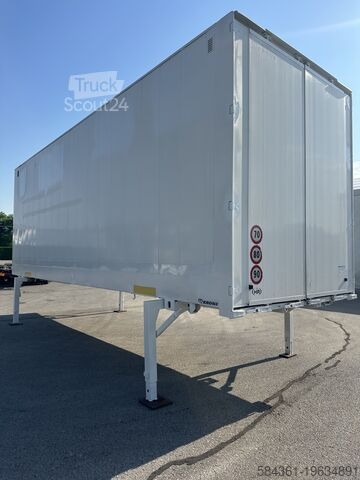
Prefab Container Homes: The Complete Guide for the Modern Home‑Builder
If you’ve ever dreamed of a stylish, sustainable, and affordable place to call your own, prefab container homes might be the answer you’ve been waiting for. In this post we’ll walk you through everything you need to know— from the basics of what a container home is, to budgeting, design choices, and the most common questions you’ll encounter along the way. Grab a notebook; you’ll want to jot down a few ideas for your future home.
1. What Is a Prefab Container Home?
A prefab (prefabricated) container home is a dwelling that is built primarily from one or more shipping containers—typically 20‑ft or 40‑ft steel boxes that once carried cargo across oceans. Unlike traditional on‑site construction, the major structural components are manufactured in a factory, then shipped to your building site for quick assembly.
Why steel?
- Strength: 1.6 mm to 2.5 mm thick walls can withstand wind loads of 150 mph or more.
- Durability: Corrosion‑treated steel endures harsh climates for decades.
- Reusability: A single container can be repurposed countless times, reducing waste.
2. The Core Benefits (and a Few Trade‑offs)
Below is a quick‑scan list that helps you decide if a container home fits your lifestyle.
| Benefit | What It Means for You | Potential Trade‑off |
|---|---|---|
| Speed of construction | A typical 40‑ft home can be finished in 8–12 weeks after foundation work. | Requires early coordination with a factory; design changes later in the process can be costly. |
| Cost efficiency | Average per‑square‑foot cost: $150‑$250 (vs. $200‑$350 for stick‑built). | Prices rise if you add high‑end finishes or extensive interior modifications. |
| Sustainability | Up to 80 % of the container can be reused, cutting material waste. | Steel is energy‑intensive to produce; look for containers made from recycled steel. |
| Structural strength | Ready‑made steel frame resists earthquakes, hurricanes, and fire. | Insulation and ventilation must be planned carefully to avoid condensation. |
| Design flexibility | You can stack, notch, or combine containers to create multi‑level layouts. | Larger footprints may require special permits in some municipalities. |
3. From Concept to Reality – Steps You’ll Follow
- Define Your Goals
- Size: How many square feet do you need? A single 40‑ft container offers ~320 sq ft, while two stacked containers can reach 640 sq ft.
- Budget: Set a realistic ceiling (including site prep, utilities, interior finishes).
- Location: Check zoning laws and whether your lot can accommodate a foundation for a steel structure.
- Choose a Manufacturer
- Look for firms with ISO‑9001 certification, solid warranty terms, and a portfolio of completed homes.
- Request a spec sheet that details wall thickness, insulation R‑value, and load ratings.
- Design Your Layout
- Use a simple floor‑plan tool (SketchUp, Floorplanner) to experiment with open‑plan living, mezzanines, or split‑level concepts.
- Remember: The container’s doors are on the long side; cutting new openings will affect structural integrity and may need reinforcement.
- Secure Permits & Financing
- Submit engineering drawings to your local building department. Many municipalities treat container homes as “modular” structures, simplifying the review process.
- Explore green‑loan programs or USDA Rural Development loans—some lenders offer preferential rates for sustainable housing.
- Prepare the Site
- Install a concrete slab or pier foundation (typical depth: 12‑18 inches).
- Ensure utilities (water, electricity, septic) are within reach of the container’s entry points.
- Factory Production & Delivery
- The manufacturer cuts, welds, and paints the containers according to your specs.
- Containers are then shipped via truck or rail and delivered to your site, usually on a flatbed trailer.
- On‑Site Assembly
- Cranes lift containers into place.
- Connect utilities, seal interior joints, install insulation, drywall, flooring, and finishes.
- Final Inspection & Move‑In
- A local inspector verifies compliance with building codes.
- Once approved, you can add personal touches—artwork, smart‑home devices, or a rooftop garden.
4. Budget Breakdown – What to Expect
Below is a typical cost table for a 640 sq ft (two‑container) home, broken down by expense category. Figures are average U.S. values in 2024; your actual costs may vary.
| Category | Cost Range (USD) | % of Total Budget |
|---|---|---|
| Container purchase & modification | $25,000 – $45,000 | 30‑40 % |
| Foundation (slab or piers) | $5,000 – $10,000 | 6‑9 % |
| Insulation & interior wall finish | $8,000 – $15,000 | 10‑13 % |
| Electrical & plumbing | $7,000 – $12,000 | 9‑13 % |
| HVAC (mini‑split system) | $3,500 – $6,500 | 5‑9 % |
| Exterior work (roof, siding, landscaping) | $4,000 – $8,000 | 5‑10 % |
| Permits & fees | $2,000 – $4,000 | 3‑5 % |
| Contingency (10 % of total) | $5,000 – $8,000 | 6‑9 % |
| Total | $64,500 – $108,500 | 100 % |
Tip: Keep a contingency fund earmarked for unexpected site conditions (e.g., rocky soil) or design changes.
5. Designing for Comfort – Insulation, Lighting, and Layout Tips
- Insulation: Spray‑foam (R‑20 to R‑30) clings directly to steel, reducing thermal bridging. If you prefer a greener option, consider cellulose or cork panels; just add a vapor barrier.
- Natural Light: Install skylights or cut additional windows on the long side. Remember to reinforce the steel frame with steel brackets or “C‑studs.”
- Space Planning:
- Open‑plan living/kitchen – creates a spacious feel in a compact footprint.
- Lofted bedroom – a mezzanine built above the kitchen maximizes vertical space.
- Outdoor integration – a sliding glass wall leading to a deck blurs the indoor/outdoor line.
- Acoustic Comfort: Use resilient channels and acoustic insulation under drywall to dampen metal resonance.
6. Frequently Asked Questions (FAQ)
Q1: Do I need a special foundation for a steel container?
Yes. While containers are sturdy, they require a level, stable base. Most owners opt for a concrete slab or a series of concrete piers. The foundation type you choose will affect cost, drainage, and resale value.
Q2: How long does a container home last?
With proper maintenance—regular rust checks, repainting, and replacing worn seals—steel can last 50 years or more. Interior finishes (drywall, flooring) have similar lifespans to conventional homes.
Q3: Can I add a second story?
Absolutely. Stacking containers is a common method to gain vertical space. Ensure the foundation can support the added load and that you have engineered connections (e.g., welded seams, gusset plates).
Q4: Are container homes energy‑efficient?
They can be. The key factors are high‑R‑value insulation, energy‑efficient windows, and a well‑sized HVAC system. Pairing a solar panel array with a battery storage solution can further reduce utility bills.
Q5: What about resale value?
The market is still niche, but demand is rising, especially among eco‑conscious buyers. A well‑designed container home in a desirable location can appreciate similarly to a conventional house.
Q6: Do I need a licensed contractor?
Most jurisdictions require a licensed builder for structural work and utilities. Even if you manage the project yourself, you’ll likely need subcontractors for electrical, plumbing, and HVAC.
Q7: How do I handle interior drainage and moisture?
Install a vapor barrier between the steel and insulation, and use a dimpled membrane on the floor to direct any moisture away. Proper ventilation—especially in bathrooms and kitchens—prevents condensation buildup.
7. A Quick Checklist Before You Sign the Contract
- Verify local zoning permits allow “modular” or “steel” structures.
- Obtain a written warranty covering structural integrity and corrosion protection for at least 10 years.
- Confirm the manufacturer uses ISO‑9001 or equivalent quality standards.
- Ask for a detailed materials list (steel grade, paint system, insulation type).
- Review the delivery schedule and any penalties for late arrival.
- Secure financing that accounts for the contingency budget (minimum 10 %).
- Plan for utility hookups—coordinate with local utility companies early.
8. Real‑World Inspiration: Three Minimalist Container Homes
| Home | Location | Key Feature |
|---|---|---|
| The Skyline Loft | Portland, OR | Two stacked containers with a glass‑enclosed rooftop garden and rainwater harvesting system. |
| Desert Oasis | Tucson, AZ | Four‑container home with thick spray‑foam insulation, solar panels, and a shaded courtyard. |
| Coastal Cabin | Cape Cod, MA | Single 40‑ft container perched on stilts, offering panoramic ocean views and a compact marine kitchen. |
Take notes on what excites you most—be it the rooftop garden, the solar array, or the coastal aesthetics. Your future home can incorporate any combination of these ideas.
9. Final Thoughts: Is a Prefab Container Home Right for You?
If you value speed, sustainability, and a distinctive aesthetic, a prefab container home is a compelling option. By following the steps outlined above, staying on top of budgeting, and partnering with reputable manufacturers, you’ll be well on your way to turning a steel box into a cozy, modern sanctuary.
Remember: the journey from “idea” to “keys in hand” is a collaborative process. Keep communication open with designers, contractors, and local officials, and don’t be afraid to ask questions—every clarification brings you closer to the home you’ve imagined.
Ready to start? Grab this post, highlight the checklist, and schedule a consultation with a local prefab specialist. In a few short months, you could be sipping coffee on a sun‑lit balcony, looking out over a structure that’s as resilient as it is beautiful. Happy building!