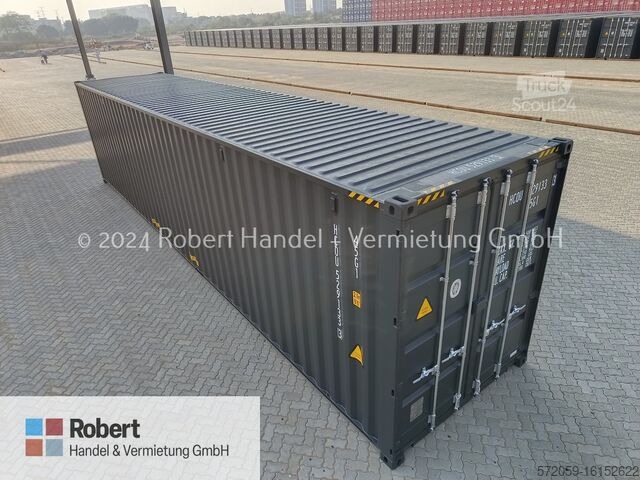
Metal Containers for Sale – How to Choose the Right One for Your Needs
When you’re looking for a durable, reusable storage solution, metal containers often rise to the top of the list. Whether you’re a DIY enthusiast stocking a garage, a food‑service operator needing hygienic bulk storage, or a small‑business owner shipping products, the right metal container can save you time, money, and headaches.
In this guide you’ll discover:
- The most common types of metal containers and their key specifications.
- How to compare price, durability, and functionality using a handy reference table.
- A step‑by‑step checklist to make a confident purchase.
- Answers to the most frequently asked questions.
All of this is written in a second‑person voice, because you’re the one who’ll be opening that box, loading the contents, and reaping the benefits. Let’s dive in.
1. Why Choose Metal Containers?
Quick‑look list of advantages
| Benefit | What it means for you |
|---|---|
| Strength & durability | Handles heavy loads (up to 1,000 lb or more) without denting or cracking. |
| Temperature resistance | Stands up to extreme heat (up to 500 °F) and freezing temps, perfect for industrial processes. |
| Pest‑proof | Solid metal eliminates entry points for insects, rodents, and moisture. |
| Recyclable & eco‑friendly | 100 % recyclable at end‑of‑life, reducing waste and improving sustainability credentials. |
| Fire‑resistance | Metal won’t ignite, helping you meet safety codes in kitchens or labs. |
| Customizable | Available in a range of finishes (galvanized, stainless, powder‑coat) and can be welded, drilled, or fitted with lids, shelving, and wheels. |
If any of these points resonate with you, a metal container could be the smartest storage investment you make this year.
2. Types of Metal Containers on the Market
Below is a compact comparison of the most popular categories. Use this table as a quick reference when you start browsing online listings or visiting a supplier’s showroom.
| Container Type | Typical Materials | Size Range (L × W × H) | Wall Thickness | Common Uses | Average Price (USD) |
|---|---|---|---|---|---|
| Standard Steel Drum | Galvanized steel, carbon steel | 12 in × 12 in × 34 in (55 gal) up to 24 in × 24 in × 48 in (275 gal) | 0.5 mm – 1.2 mm | Bulk chemicals, oil, paint, waste oil, grain | $15 – $90 |
| Stainless‑Steel Food‑Grade Tote | 304/316 stainless | 18 in × 12 in × 22 in (30 gal) up to 30 in × 24 in × 36 in (70 gal) | 0.8 mm – 1.5 mm | Food service, pharma, labs | $45 – $200 |
| Metal Storage Cabinet | Powder‑coat steel, cold‑rolled steel | 24 in × 24 in × 48 in (30 gal) up to 48 in × 36 in × 84 in (200 gal) | 1.0 mm – 2.0 mm | Tool rooms, workshops, garages | $80 – $500 |
| Metal Lockable Box | Galvanized steel, steel‑panel | 10 in × 10 in × 12 in (5 gal) up to 20 in × 20 in × 30 in (30 gal) | 0.7 mm – 1.0 mm | Hardware, documents, valuables | $25 – $150 |
| Metal Shipping Container (ISO) | Corten steel, marine‑grade | 20‑ft and 40‑ft standard modules (≈ 1,172 cu ft per 40‑ft) | 2 mm – 4 mm | Global freight, bulk goods, modular offices | $2,500 – $7,000 (used) |
| Metal Bucket with Lid | Galvanized steel, tin‑plated | 8 in × 8 in × 9 in (2 gal) up to 16 in × 16 in × 20 in (10 gal) | 0.5 mm – 0.8 mm | Paint, adhesives, small parts | $5 – $30 |
Tip: When you see “wall thickness” listed, thicker walls generally translate to higher impact resistance and a longer lifespan—but also a heavier container. Choose based on the weight of the material you’ll store, not just the container’s weight.
3. How to Pick the Perfect Metal Container
3‑Step Decision Checklist
- Define the contents
Is it a corrosive chemical, food product, or non‑hazardous hardware?
• Food‑grade stainless steel for any edible or pharmaceutical item.
• Galvanized or carbon steel with a protective coating if you store oil, paints, or industrial chemicals. - Assess environmental conditions
Will the container sit outdoors, in a freezer, or near a heat source?
• For outdoor exposure, pick a powder‑coat or galvanized finish.
• For freezers, ensure the metal’s coefficient of thermal expansion won’t cause cracking at the seams. - Calculate volume and weight
• Determine the cubic footage you need. Use the formula L × W × H ÷ 1,728 to convert inches to cubic feet.
• Remember the container’s tare weight (usually printed on the product). Add the weight of the contents to verify it stays within any handling limits (e.g., forklift capacity, shelving rating). - Select additional features
- Lids & seals: airtight lids for food; vented caps for chemicals that off‑gas.
- Mobility: wheels or casters for heavy containers; hand‑holds for small boxes.
- Security: padlock hasps, tamper‑proof bolts, or RFID tags for tracking.
- Set a budget and compare prices
• Use the table above as a starting point, but also factor in shipping fees, bulk‑order discounts, and warranty terms.
4. Where to Buy Metal Containers
| Channel | Pros | Cons | Typical Price Range |
|---|---|---|---|
| Online marketplaces (Amazon, eBay, Alibaba) | Wide selection, quick delivery, user reviews | Variable quality, harder to inspect before purchase | $5 – $300 (retail) |
| Specialty industrial suppliers (Grainger, MSC Industrial) | Certified material specs, bulk discounts, technical support | Minimum order quantities, shipping may be freight‑only | $30 – $500 |
| Local metal‑fabrication shops | Custom sizes, on‑site inspection, ability to add modifications | Longer lead times, higher per‑unit cost | $50 – $250 |
| Second‑hand dealers / auctions | Low cost for large containers (e.g., ISO units) | Possible wear, unknown history, limited warranty | $1,500 – $5,000 (used ISO) |
| Direct from manufacturers | Tailored solutions, bulk pricing, OEM branding | Minimum order amounts, longer negotiation | $100 – $400 per unit (custom) |
When you compare options, ask for a material certification sheet (e.g., ASTM A36 for carbon steel, ASTM A240 for stainless). This small document can save you from costly compliance issues later.
5. Maintenance Tips to Extend Lifespan
- Keep it clean – Wipe down with a mild detergent after each use. For food‑grade containers, follow USDA clean‑in‑place (CIP) procedures.
- Prevent rust – Even galvanized steel can rust if the coating is scratched. Touch‑up with a rust‑inhibiting paint or a zinc spray.
- Inspect seals regularly – Rubber gaskets degrade over time; replace them before they become brittle.
- Store in a dry environment – Moisture accelerates corrosion, especially for carbon steel.
- Lubricate moving parts – If you have rollers or hinges, a light silicone spray will keep them operating smoothly.
6. Frequently Asked Questions (FAQ)
| Question | Answer |
|---|---|
| Can I use a metal drum for food storage? | Only if the drum is stainless‑steel and certified food‑grade (usually 304 or 316). Regular carbon steel drums may leach metal ions and are not recommended. |
| How do I know what size I need? | Measure the maximum dimensions of the items you’ll store and add a 5‑10 % clearance for easy loading. Convert the measurements to cubic feet to compare against container capacities listed by the seller. |
| Are metal containers recyclable after use? | Yes. All steel and stainless steel containers are 100 % recyclable. Some suppliers even offer a take‑back program for end‑of‑life containers. |
| What’s the difference between galvanized and powder‑coat finishes? | Galvanized steel is coated with zinc to prevent rust. Powder‑coat adds a polymer layer on top of the metal, offering extra resistance to scratches, chemicals, and UV exposure. For outdoor use, a powder‑coat finish on galvanized steel provides double protection. |
| Do I need a fire‑rating for metal containers used in a kitchen? | Most metal containers are inherently fire‑resistant, but if you store flammable liquids you may need to meet local fire‑code requirements (e.g., NFPA 30). Check with your fire marshal. |
| Can I weld a lid onto a metal box? | Yes, but ensure the metal is compatible (e.g., both parts of the same alloy) and that the weld does not compromise the seal. For food‑grade containers, TIG welding is often preferred. |
| What warranty do manufacturers typically offer? | Expect a 1‑year limited warranty covering material defects. Some high‑end stainless‑steel products offer a 5‑year warranty. Always read the fine print. |
7. Real‑World Use Cases
a. Small Business Owner – Shipping Handmade Soap
- Container choice: 5‑gal stainless‑steel lockable box with airtight lid.
- Why: Protects product from moisture, offers a premium look, and meets food‑safety standards.
b. Home Workshop – Storing Screws & Tools
- Container choice: Powder‑coat steel storage cabinet with adjustable shelves.
- Why: Durable, rust‑proof, and the lockable doors keep pricey tools safe.
c. Agricultural Co‑op – Bulk Grain
- Container choice: Galvanized steel drum (275 gal).
- Why: Handles heavy loads, resists weather, and can be stacked on pallets for easy transport.
d. Event Organizer – Portable Bar
- Container choice: Metal bucket with lid and hand‑holds (10 gal).
- Why: Easy to carry, can be chilled in ice, and the lid prevents spillage during transport.
Seeing concrete examples helps you visualize which product fits your workflow.
8. Bottom Line – Your Next Steps
- List your requirements (content type, volume, environment).
- Use the comparison table to narrow down the container category.
- Apply the 3‑step checklist to confirm material, size, and features.
- Request a quote from at least two reputable suppliers, asking for material certifications and warranty information.
- Place the order and set up a maintenance schedule to keep the container in peak condition.
By following these steps, you’ll invest in a metal container that not only meets today’s needs but also stands up to years of use—saving you time, money, and the occasional surprise leak or breakage.
Ready to start shopping? Browse the tables above, note the specs that resonate, and reach out to a trusted supplier. Your perfect metal container is just a click (or a phone call) away.
Happy storing!