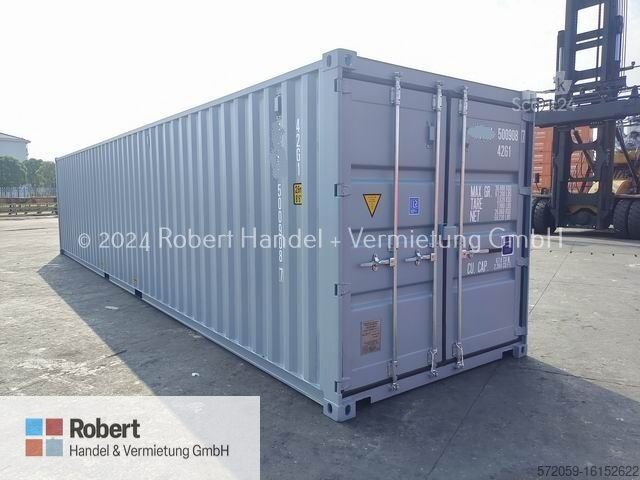
Renting a Shipping Container: Your Complete Guide to a Smart, Flexible Solution
Whether you’re a small business owner looking for extra storage, a contractor needing on‑site material protection, or a homeowner dreaming of a DIY office or tiny‑home studio, renting a shipping container can be the fastest, most cost‑effective way to get the space you need—without the long‑term commitment of buying.
In this guide you’ll discover:
- The different container types and sizes available for rent
- How to calculate the right dimensions for your project
- What to expect in terms of pricing, delivery, and insurance
- A step‑by‑step plan for securing a container today
- The pros and cons of renting versus buying
All of this is presented in clear, second‑person language so you can make an informed decision based on your unique circumstances.
1. Why Rent Instead of Buy?
| Consideration | Renting | Buying |
|---|---|---|
| Up‑front cost | Low – typically a monthly fee ranging from $100‑$400 depending on size and location | High – purchase price can run $2,000‑$6,000+ plus delivery |
| Flexibility | Easy to upgrade, downsize, or return after a few months | Fixed asset; you’re stuck with the same size unless you buy another |
| Maintenance | Provider handles repairs and cleaning (often included) | You’re responsible for rust, dents, and upkeep |
| Storage & logistics | No need for a permanent spot; provider can move it for you | You must secure a permanent placement and handle any relocations |
| Tax implications | Treated as an operating expense (deductible for many businesses) | Capital expense; depreciation rules apply |
If you need a container for a short‑term project (3‑12 months), want to test a concept before committing, or simply prefer to keep cash flow flexible, renting is usually the smarter choice.
2. Types of Shipping Containers Available for Rent
| Container Type | Typical Dimensions (L x W x H) | Key Features | Common Uses |
|---|---|---|---|
| Standard 20‑ft (Dry) | 20’ × 8’ × 8’ 6″ (6.1 m × 2.44 m × 2.59 m) | Steel walls, lockable doors, weather‑proof | Small storage, pop‑up retail, tool shed |
| Standard 40‑ft (Dry) | 40’ × 8’ × 8’ 6″ (12.2 m × 2.44 m × 2.59 m) | Same as 20‑ft, double the floor space | Warehouse overflow, workshop, office conversion |
| High‑Cube 40‑ft | 40’ × 8’ × 9’ 6″ (12.2 m × 2.44 m × 2.90 m) | Extra 1‑ft of headroom | Mobile labs, art studios, living spaces |
| Open‑Top | Varies (typically 20‑ft or 40‑ft) | Removable tarpaulin roof, easy loading from above | Construction material storage, bulk grain |
| Reefer (Refrigerated) | 40‑ft (standard dimensions) | Insulated walls, temperature control (‑20 °C to +25 °C) | Food transport, pharma storage, climate‑sensitive equipment |
| Flat‑Rack | 20‑ft or 40‑ft | Collapsible side walls, reinforced deck | Oversized cargo, machinery, vehicles |
Choosing the Right Size
- Measure Your Space – Sketch the area where the container will sit. Remember to leave at least 18‑24 inches of clearance on all sides for ventilation and forklift access.
- Calculate Volume Needs – Multiply length × width × height to get cubic footage. A 20‑ft container offers ~1,170 ft³, while a high‑cube 40‑ft provides ~3,000 ft³.
- Consider Future Expansion – If you anticipate growth, start with a 40‑ft unit now and add a second one later rather than upgrading from 20‑ft to 40‑ft midway.
3. How Much Does It Cost to Rent?
Pricing varies by region, rental duration, and container condition. Below is an average monthly rate for the U.S. market (prices may be higher in coastal metros).
| Container Type | 30‑Day Rental | 90‑Day Rental (discounted) | Annual Rental (best value) |
|---|---|---|---|
| 20‑ft Dry | $120–$150 | $330–$400 | $1,200–$1,350 |
| 40‑ft Dry | $180–$230 | $500–$620 | $1,800–$2,100 |
| 40‑ft High‑Cube | $210–$260 | $590–$710 | $2,100–$2,400 |
| 20‑ft Open‑Top | $130–$170 | $350–$450 | $1,300–$1,500 |
| 40‑ft Reefer | $350–$500 | $950–$1,200 | $3,200–$3,800 |
| 20‑ft Flat‑Rack | $150–$190 | $410–$520 | $1,400–$1,600 |
What’s Included?
- Delivery & Pick‑up – Most suppliers bundle the first mile (delivery) and last mile (pick‑up) into the monthly rate.
- Basic Insurance – Liability coverage for damage while the container is on your premises (optional upgrades available).
- Maintenance – Minor repairs (e.g., rust patches) are generally covered; major dents may incur a fee.
Tips for Reducing Costs
- Bundle Multiple Units – Companies often provide a discount for renting two or more containers simultaneously.
- Long‑Term Commitment – A 12‑month contract typically yields a 15‑20 % reduction versus month‑to‑month.
- Off‑Season Delivery – Scheduling delivery during slower months (late fall/winter) can cut the delivery surcharge.
4. Step‑by‑Step: How to Rent a Shipping Container
- Define Your Requirements
- Size, type, and any special features (vents, power outlets, insulation).
- Desired rental period and delivery location (address, access constraints).
- Research Local Providers
- Look for companies with ISO‑certified containers and positive reviews.
- Request a quote that itemizes delivery, rental fee, insurance, and any extra services (e.g., modifications).
- Inspect the Container (Virtually or In‑Person)
- Verify the container is ISO‑standard, free of major dents, rust, or structural damage.
- Ask for photos or a video walkthrough if you can’t see it in person.
- Sign the Rental Agreement
- Read the terms carefully: cancellation policy, damage deposit, and responsibilities for site preparation.
- Prepare the Site
- Level the ground (gravel pad or concrete slab).
- Ensure there’s clear access for the delivery truck (minimum width: 12‑ft).
- Schedule Delivery
- Confirm the date and time with the provider.
- Have a point‑of‑contact on site to receive the container and sign off on its condition.
- Set Up Utilities (if needed)
- Electrical: Most providers can pre‑wire a 120 V outlet.
- HVAC: For high‑cube or office conversions, consider portable units or a small ductless system.
- Use and Maintain
- Keep the doors locked when not in use.
- Report any damage immediately to avoid extra fees.
- Return or Extend
- If the contract ends, arrange pick‑up.
- To extend, simply contact the provider before the expiration date; most will issue a revised invoice.
5. Real‑World Use Cases: Inspiration for Your Own Project
- Pop‑Up Retail Store – A 20‑ft unit transformed into a sleek boutique with glass window inserts and a portable HVAC system.
- Construction Site Office – A 40‑ft high‑cube outfitted with desks, Wi‑Fi routers, and a bathroom module for crews on a 6‑month build.
- Farm Equipment Storage – Open‑top containers placed under a simple canopy to shelter tractors and harvesters while still allowing top loading.
- Art Studio – A high‑cube container painted with vibrant murals, fitted with a skylight, and insulated for temperature‑controlled painting.
- Emergency Relief Shelter – A 20‑ft refrigerated unit repurposed into a medical triage area, benefitting from built‑in temperature regulation.
6. Pros & Cons Checklist
Pros
- Cost‑Effective – Lower upfront expense versus purchase.
- Scalable – Add or swap containers as needs evolve.
- Durable – Steel construction stands up to harsh weather and theft.
- Quick Deployment – Delivery in 1–3 days after order placement.
- Tax Advantages – Treated as an operating expense for many businesses.
Cons
- Limited Customization – Major structural changes (e.g., cutting new doors) often prohibited or costly.
- Transportation Restrictions – Requires a flat, accessible road and a suitable crane or forklift.
- Long‑Term Cost Accumulation – Over many years, renting can exceed the purchase price.
7. Frequently Asked Questions (FAQ)
| Question | Answer |
|---|---|
| How long can I rent a container? | Most providers offer flexible terms—from a single month to multiple years. Short‑term rentals (30 days) are common, but discount tiers appear after 90 days and at 12 months. |
| Do I need a permit to place a container on my property? | It depends on local zoning and building codes. Many municipalities treat a container as a temporary structure and only require a simple land‑use permit. Always check with your city or county planning department. |
| What if the container gets damaged while on my site? | The rental agreement typically includes a damage deposit (often $200‑$500). Minor wear is covered; major dents or structural damage may be deducted from the deposit. Promptly reporting issues minimizes disputes. |
| Can I modify the container (e.g., add windows or insulation)? | Minor interior modifications—like installing shelves, lighting, or insulation panels—are usually allowed. Structural changes (cutting doors, adding large openings) generally need provider approval and may incur extra fees. |
| Is delivery included in the rental price? | Most standard quotes bundle the first delivery and final pick‑up. However, if you require multiple drop‑offs, relocation, or delivery to a remote site, expect additional mileage or crane fees. |
| Do I need my own insurance? | While many providers include basic liability coverage, you may want additional cargo insurance if you’re storing high‑value goods. Check with your existing business insurance carrier for a rider. |
| Can I rent a container for a one‑day event? | Yes! Many companies offer “event rentals” with same‑day delivery and pick‑up, though rates are higher on a per‑day basis. |
| What happens to the container after I return it? | The provider inspects it for damage, refurbishes as needed, and then re‑leases it for the next customer. Your deposit is refunded after a satisfactory inspection. |
| Are there eco‑friendly options? | Look for providers that recycle or up‑cycle containers, offering models made from reclaimed steel or featuring solar‑panel roofs for off‑grid power. |
8. Final Thoughts: Is Renting the Right Move for You?
If you need temporary, secure, and robust space without the headaches of ownership, renting a shipping container is a compelling solution. By understanding the varieties of containers, the pricing structure, and the logistics of delivery and site prep, you can confidently choose a rental that fits your budget and timeline.
Take a moment to list your exact requirements, reach out to at least two reputable providers for quotes, and compare the figures using the table above. With a clear plan in place, you’ll have a steel‑strong workspace, storage unit, or creative studio ready to roll out within days—not months.
Ready to get started? The next container is just a phone call or online request away. Happy renting!