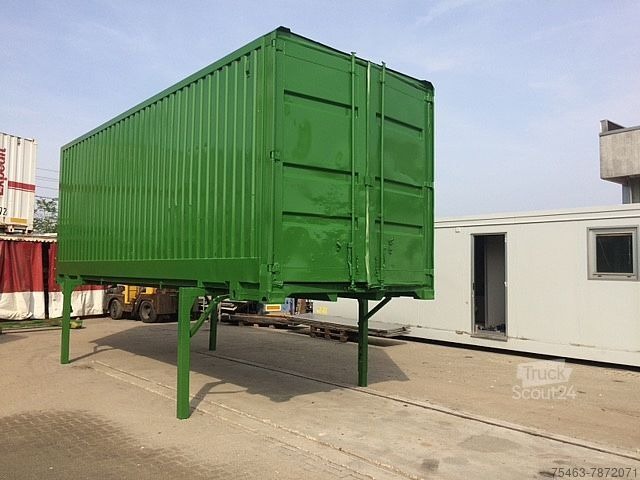
Mini Shipping Containers: The Tiny Titans of Modern Logistics
If you’ve ever stared at a sprawling container yard and wondered whether a full‑size 40‑foot box is overkill for your needs, you’re not alone. The rise of mini shipping containers—typically ranging from 4 to 10 feet in length—has opened up a world of possibilities for entrepreneurs, hobbyists, and even homeowners. In this guide, you’ll discover exactly what a mini container is, why it might be the perfect fit for your project, and how to choose, purchase, and use one effectively.
1. What Exactly Is a Mini Shipping Container?
A mini shipping container is a scaled‑down version of the standard ISO (International Organization for Standardization) container that powers global trade. While a standard container measures 20 ft (6 m) or 40 ft (12 m) in length, mini containers are built to the same structural standards but in smaller footprints:
| Length (ft) | Length (m) | Typical Width (ft) | Typical Height (ft) | Approx. Internal Volume* |
|---|---|---|---|---|
| 4 | 1.22 | 8 | 8.5 | 2.5 m³ (88 ft³) |
| 6 | 1.83 | 8 | 8.5 | 3.7 m³ (130 ft³) |
| 8 | 2.44 | 8 | 8.5 | 5.0 m³ (176 ft³) |
| 10 | 3.05 | 8 | 8.5 | 6.2 m³ (219 ft³) |
*Internal volume is calculated using the standard internal dimensions (≈ 7.8 ft × 7.7 ft × 7.1 ft) minus wall thickness.
Mini containers retain the same C‑type steel construction, weather‑tight doors, and stackability as their larger siblings, but they are easier to maneuver, store, and customize.
2. Why You Might Choose a Mini Container
2‑3‑4‑5 Benefits at a Glance
| Benefit | How It Impacts You |
|---|---|
| Space Efficiency | Perfect for tight urban lots or small backyards; fits into standard garages. |
| Cost Savings | Lower purchase price (often 30‑50 % less) and reduced freight fees. |
| Mobility | Can be moved with a small trailer or a forklift; many models are “drop‑and‑go.” |
| Flexibility | Ideal for pop‑up shops, mobile workshops, tiny homes, or on‑site storage. |
| Regulatory Simplicity | Easier to obtain zoning permits; often classified as an accessory structure. |
If any of these resonate with you—perhaps you’re launching a micro‑brewery on a narrow lot or need a secure storage unit for garden tools—then a mini container could be the answer you’ve been searching for.
3. Real‑World Applications
Below is a quick‑reference list of popular uses, with a short description of how each industry leverages the tiny steel box.
- Pop‑up Retail & Cafés
Compact storefronts that can be relocated for festivals or seasonal markets. - Mobile Workshops
Carpenters, electricians, and mechanics use them as on‑site garages or tool rooms. - Tiny Home Living
Fully outfitted sleeping quarters, complete with insulation, plumbing, and solar panels. - Construction Site Storage
Secure lockers for equipment, plans, and personal protective gear. - Agricultural Solutions
Seed storage, pesticide lockers, or small hydroponic farms. - Event Infrastructure
Changing rooms, ticket booths, or backstage control rooms at concerts. - Art & Exhibit Spaces
Portable galleries that can be placed in parks or galleries with minimal set‑up.
4. How to Choose the Right Mini Container
Step‑by‑Step Decision Tree
- Define Your Primary Use – Is it for storage, a workspace, or habitable space?
- Measure the Available Space – Include clearance for doors and ventilation.
- Select a Size – Use the table above to match volume to your needs.
- Determine Desired Features – Insulation, ventilation, shelving, power outlets, or custom doors.
- Check Local Regulations – Zoning, building permits, and fire codes may dictate modifications.
- Set a Budget – Remember to account for delivery, foundation, and interior build‑out.
Quick Comparison of Popular Models
| Model | Size (ft) | Standard Features | Optional Upgrades | Approx. Price (USD) |
|---|---|---|---|---|
| Eco‑Mini 4 | 4 | Steel doors, lock set, basic flooring | Insulation, solar panel kit | $2,800 |
| Work‑Box 6 | 6 | Shelving, built‑in lighting, ventilation | Power outlet panel, tool rack | $4,500 |
| Living‑Cube 8 | 8 | Pre‑wired for electricity, insulated walls | Full kitchen fit‑out, bathroom module | $7,200 |
| Flex‑Pod 10 | 10 | Double doors, HVAC ready, heavy‑duty hinges | Elevator lift, custom graphics | $10,500 |
Prices are indicative as of 2025 and exclude delivery and site preparation.
5. Setting Up Your Mini Container: A Practical Checklist
| ✅ Task | Details |
|---|---|
| Site Preparation | Level the ground, add a concrete pad or wooden deck, ensure drainage. |
| Delivery Coordination | Verify truck size, clear access routes, schedule a delivery window. |
| Foundation Installation | Use 4‑inch pressure‑treated sleepers or a concrete slab; anchor with steel brackets. |
| Exterior Modifications | Add vents, skylights, or external shelving as needed. |
| Interior Fit‑Out | Install insulation, wall panels, flooring, and any built‑in furniture. |
| Utilities Hook‑Up | Connect electricity (via a dedicated circuit), water, and waste if applicable. |
| Security Measures | Install high‑security locks, alarm sensors, and optional CCTV. |
| Compliance Check | Confirm that all modifications meet local building codes; obtain final inspection if required. |
| Final Clean‑Up | Remove debris, test doors and locks, and take photos for your records. |
Following this checklist will keep your project on schedule and help you avoid common pitfalls such as uneven foundations or electrical code violations.
6. Maintenance Tips to Keep Your Mini Container in Top Shape
- Inspect Door Seals Quarterly – Replace any cracked gaskets to prevent water ingress.
- Lubricate Hinges & Locks – Use a silicone spray to avoid rust, especially in coastal climates.
- Check for Rust Spots – Touch‑up paint and primer at the first sign of corrosion.
- Ventilation Monitoring – Ensure vents stay clear; consider adding a small fan for humid climates.
- Clean Interior Regularly – Sweep or vacuum to prevent dust buildup, especially if you store tools.
A well‑maintained container can stay serviceable for 25‑30 years, providing a solid return on investment.
7. Frequently Asked Questions
Q1: Do I need a special permit to place a mini container on my property?
A: It depends on local zoning laws. In most suburban areas, a container under 10 ft is classified as an accessory structure and may only require a simple building permit. Always check with your municipal planning department before ordering.
Q2: Can I stack mini containers?
A: Yes, they are built to ISO standards and can be stacked up to three units high, provided the foundation and anchoring are engineered for the additional load.
Q3: How much does delivery typically cost?
A: Delivery fees vary by distance and site access, but you can expect $300‑$800 for regional drops. Some suppliers include free delivery within a 100‑mile radius.
Q4: Are mini containers insulated?
A: The base model is not insulated. However, most manufacturers offer optional spray‑foam or panel insulation kits, which add roughly $500‑$1,200 to the price.
Q5: Can I convert a mini container into a tiny home?
A: Absolutely. Many owners add insulation, a kitchenette, a bathroom module, and solar power. Be sure to adhere to local housing codes and obtain the necessary occupancy permits.
Q6: What’s the lifespan of a mini container?
A: With proper maintenance, steel containers last 25‑30 years. Protective coatings and regular inspections can extend that timeline.
Q7: Is it possible to customize the exterior color?
A: Yes. Most suppliers provide a palette of factory‑applied paint finishes or allow you to apply a custom wrap after delivery.
Q8: How do I secure a container against theft?
A: Use high‑security cylinder locks, bolt‑on steel plates, and consider a motion‑sensor alarm system. Adding a CCTV camera pointed at the door is also a deterrent.
Q9: Can I rent a mini container for short‑term projects?
A: Rental services exist in many metropolitan areas, typically costing $150‑$250 per month depending on size and location.
Q10: Are there financing options?
A: Several vendors partner with equipment financing companies to offer lease‑to‑own plans, with monthly payments ranging from $150 to $400.
8. Bottom Line: Is a Mini Shipping Container Right for You?
If you’ve been wrestling with limited space, mounting storage costs, or the desire for a portable workspace, the mini shipping container offers a versatile, cost‑effective, and durable solution. By answering a few key questions—What will it hold? Where will it sit? How much am I willing to invest?—you can zero in on the perfect size and configuration.
Take the next step today:
- Measure your intended site and sketch a quick floor plan.
- Contact at least two reputable suppliers for quotes, including optional upgrades.
- Verify local regulations to avoid surprise permit fees.
- Plan your interior layout (shelves, power outlets, insulation) before the container arrives.
When you follow this roadmap, you’ll transform a simple steel box into a powerful asset—whether it’s a sleek pop‑up café that draws crowds, a secure storage hub for your tools, or a cozy tiny home that lets you live large in a small footprint.
Ready to Dive In?
Mini shipping containers are more than just scaled‑down cargo boxes; they’re a gateway to flexibility, mobility, and creative freedom. With the right research, planning, and maintenance, your tiny titan can serve you for decades, adapting as your needs evolve. Grab a pen, start measuring, and let the steel box shape your next big idea.
Happy building!